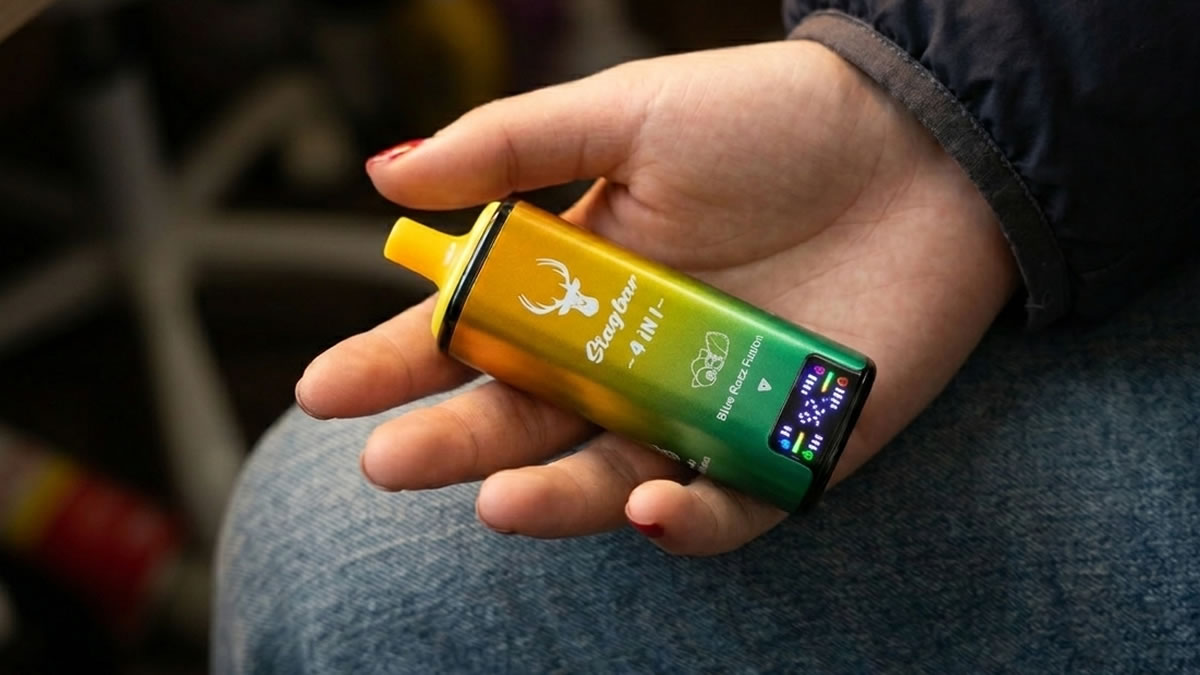
European Union regulators paused revisions to the Tobacco Products Directive (TPD) after the Regulatory Scrutiny Board rejected the impact assessment for weak evidence. Meanwhile, Spain approved a Royal Decree restricting e-cigarette flavors and nicotine pouches despite formal objections from seven EU Member States and domestic advisors.
- EU Pause: The European Commission requested stronger scientific, proportionality, and socioeconomic data before updating the TPD.
- Spanish Decree: Spain’s Council of Ministers amended Royal Decree 579/2017 on November 24 to limit vape flavors and nicotine pouches.
- Formal Objections: Seven EU Member States, the European Commission, the CNMC, and the CES challenged Spain’s rapid timeline.
- Access Gap: Critics warn that strict product limits ignore underage purchases through online marketplaces and illicit sellers.
Brussels and Madrid have adopted opposite strategies for regulating e-cigarettes, heated tobacco, and nicotine pouches. European Union institutions paused legislative reforms to gather stronger scientific data, while Spain’s government approved strict domestic bans on November 24 just days before national elections.
Both jurisdictions want to stop minors from using nicotine. Yet disagreements over scientific evidence and regulatory proportionality divide EU lawmakers from Spanish ministers.
European Union Pauses TPD Revision Over Evidence Gaps
Efforts to update the Tobacco Products Directive (TPD) stalled after the Regulatory Scrutiny Board issued a negative opinion on the European Commission’s impact assessment. That internal quality control body objected to gaps in scientific evidence, proportionality, socioeconomic analysis, and EU legal authority.
European regulators still plan to revise the directive, though EU officials paused the process to review evaluations and build a stronger factual foundation. The TPD review combines scientific studies, quantitative and qualitative data, legal analysis, and stakeholder consultations to test effectiveness and coherence.
Scientific Uncertainty on Gateway Effects and Dual Use
European debates focus heavily on two concepts: the gateway effect and dual use. The gateway hypothesis suggests that starting with e-cigarettes leads users to traditional smoking. Dual use describes smokers who adopt alternatives without fully quitting combustible cigarettes.
According to the European Commission’s Joint Research Centre (JRC), e-cigarettes show concerning associations with health outcomes and a possible link to youth smoking initiation. However, the JRC reported a lack of long-term evidence across these product categories.
According to the JRC, evidence supporting a gateway effect remains insufficient for heated tobacco and nicotine pouches. The research body also said the role of alternative nicotine products in smoking cessation requires further study.
Spain Pushes Flavor Restrictions and Pouch Limits
While Brussels reviews scientific gaps, Spain’s government approved a Royal Decree amending Royal Decree 579/2017. The new Spanish measure restricts e-cigarette flavorings and places tight limits on nicotine pouches and related products.
Spain’s rapid legislative move drew formal resistance during the European TRIS notification procedure. Seven EU Member States and the European Commission submitted official objections against Madrid’s draft rules.
Spanish advisory institutions also questioned the timing of the decree. The National Commission on Markets and Competition (CNMC) and the Economic and Social Council (CES) filed formal observations. Both domestic bodies questioned why Madrid acted unilaterally while Brussels is actively reviewing rules for those same categories.
Youth Access Channels Expose Enforcement Gaps
Spanish officials justified the stricter regulations as a measure to protect minors. Data from the ESTUDES survey confirms high experimentation rates with e-cigarettes among Spanish youth.
Critics argue that restricting legal product features fails to block underage access. Protecting minors requires controlling where and how young buyers obtain nicotine devices. Observers identified several retail channels where age, quality, safety, and traceability controls remain weak:
- Non-Specialized Outlets: Bazaars and general stores often lack reliable age verification procedures.
- Online Marketplaces: E-commerce platforms and remote vendors frequently fail to block underage buyers.
- Illicit Trade: Unregulated networks distribute products outside Spanish quality, safety, and traceability standards.
Effective youth protection policies must address both product standards and distribution channels. Tightening rules for legal shops yields limited results if teenagers continue buying unregulated devices online or through illicit sellers.
Pre-Election Approval Raises Transparency Questions
Brussels and Madrid also differ sharply in legislative transparency. Facing technical objections, European institutions paused to strengthen their impact evaluations before advancing new TPD measures.
In contrast, Spain’s Council of Ministers approved the Royal Decree on November 24, just five days before the November 29 elections. Government officials gave no explanation during the post-Cabinet press conference and delayed public release until after the vote.
Frequently Asked Questions
-
Why did the European Union delay updating the Tobacco Products Directive?
The European Union delayed the TPD update after the Regulatory Scrutiny Board issued a negative opinion on the impact assessment. European officials requested stronger scientific proof, clearer socioeconomic impact data, and better legal proportionality analysis before introducing new rules on alternative nicotine products.
-
What does Spain’s new Royal Decree restrict, and who objected?
Spain’s amended Royal Decree 579/2017 restricts e-cigarette flavors and places new limits on nicotine pouches. Seven EU Member States, the European Commission, the CNMC, and the CES submitted objections or observations questioning why Spain acted before the European Union finished its regulatory review.
Disclaimer: This content is intended for informational purposes for adult smokers and vapers (18+) only. Nicotine is an addictive chemical. Product availability and regulations vary by jurisdiction under local TPD and national laws.