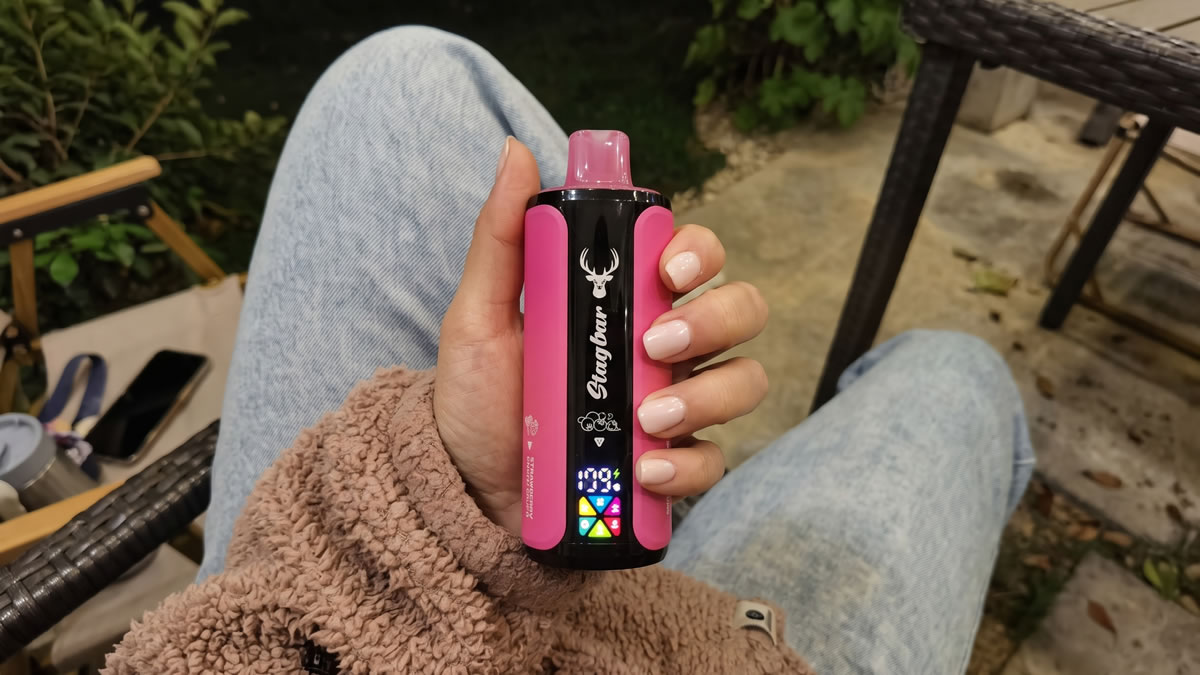
The European Commission’s planned overhaul of its tobacco and nicotine directives has stalled after the internal Regulatory Scrutiny Board issued a negative opinion on the executive’s impact assessment. This formal pushback challenges proposed restrictions on e-cigarettes, heated tobacco, and nicotine pouches, likely postponing the legislative package until 2027.
The decision disrupts one of the flagship initiatives pushed by European Health Commissioner Olivér Várhelyi, who has sought stricter controls on alternatives to combustible cigarettes. According to reports from Eunews and Brussels Signal, the oversight board adopted its critical opinion on November 9, citing serious weaknesses in the assessment prepared by the Directorate-General for Health and Food Safety (DG SANTE).
Scrutiny Board Demands Stronger Evidence from Health Officials
The Regulatory Scrutiny Board operates within the administrative structure of the Commission’s Secretariat-General as an independent technical body. Composed of nine members—including four external policy experts—the board evaluates draft impact assessments to determine whether proposed EU actions are justified by reliable empirical evidence.
In its assessment of the tobacco reform, the board identified multiple deficiencies in DG SANTE’s draft. The critique highlighted an inadequate scientific justification for specific restrictions, questionable proportionality, incomplete assessments of economic impacts on distributors and specialty retailers, and a failure to coordinate with EU tobacco excise taxation policies.
The Commission must now rework the assessment and resubmit it to the board. Under standard EU protocol, if the document receives a second negative opinion, the proposal cannot proceed through ordinary channels. In that scenario, moving forward would require an exceptional political authorization from the College of Commissioners.
Two Distinct Negative Opinions Challenge Commission Methodology
The current setback follows an earlier negative opinion issued by the board in December 2025 and published in April 2026. However, the two interventions addressed different procedural stages:
- Evaluation of Existing Directives: The earlier rejection targeted the retrospective evaluation of rules currently in force, criticizing how scientific data and national consumption trends had been interpreted.
- Impact Assessment of Future Reform: The November 2026 ruling specifically blocks the predictive assessment intended to support incoming legislation.
While a negative ruling on an evaluation does not halt legislative drafting, a negative opinion on a forward-looking impact assessment stops the initiative from progressing to formal legislative introduction.
Commissioner Várhelyi Considers Concessions to Member States
In response to administrative resistance, Health Commissioner Olivér Várhelyi is examining ways to narrow the scope of the draft directive. While publicly maintaining that smoke-free products pose health risks comparable to combustible tobacco, his department is exploring adjustments to ease passage.
Negotiation sources indicate that Brussels is considering granting individual Member States discretion over contentious provisions. Rather than enforcing unified EU mandates, the Commission may permit national governments to determine their own policies regarding plain packaging, retail bans on nicotine pouches, and specific e-cigarette flavor bans.
Harm Reduction Data and the Swedish Case Study
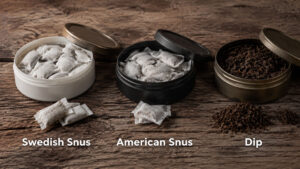
The regulatory dispute centers on how the EU categorizes products with different risk profiles. Combustible cigarettes burn tobacco, releasing toxic and carcinogenic smoke. Non-combustible alternatives—such as e-cigarettes, heated tobacco sticks, and tobacco-free nicotine pouches—operate through different delivery mechanisms and eliminate combustion.
The Scrutiny Board pressed DG SANTE for better empirical proof regarding the “gateway effect,” specifically whether alternative nicotine products prompt young consumers to transition to combustible tobacco. Proponents of risk-proportionate regulation point to Sweden, where smoking rates fell to 8% in 2023 according to Eurostat, with daily smoking reaching 5.4% among residents aged 16 to 84 in 2024. This decrease coincided with the broad adoption of smokeless oral pouches.
| Legislative Track | Targeted Directive | Core Policy Measures | Current Status |
|---|---|---|---|
| Health Regulations | Directives 2014/40/EU & 2003/33/EC | Packaging rules, flavor curbs, nicotine pouch bans, marketing limits | Halted by negative impact assessment; delayed to 2027 |
| Fiscal Regulations | Directive 2011/64/EU | Minimum excise tax rates across combustible and smoke-free categories | Under active Council debate; supported by 26 of 27 Member States |
Tax Revisions Proceed Despite Health Stalemate
While the revision of the Tobacco Products Directive faces delays, revisions to EU tobacco excise rules continue to move through Council negotiations. In July 2025, the Commission introduced plans to modernize Directive 2011/64/EU by establishing minimum tax categories for newly emerging product segments.
At the Economic and Financial Affairs Council meeting on November 9, 26 member countries backed an updated compromise proposal prepared by the Irish Presidency. Malta remains the sole opponent. Because tax harmonization requires unanimous approval across all 27 nations, a single dissenting vote prevents adoption.
Ireland plans to continue negotiations until its Council presidency concludes on December 31, 2026. If a compromise is not finalized by that deadline, Lithuania will assume leadership of the tax dossier when its presidency begins on January 1, 2027.