Transitioning from smoking to vaping is one of the most positive steps you can take for your health, yet many beginners are sidelined by an unexpected hurdle: an irritating, persistent vape cough. Surveys show that over half of all vapers experience coughing when they first pick up an e-cigarette. For some, this discomfort is enough to make them abandon vaping altogether and return to combustible tobacco.
Fortunately, vape cough is almost always a temporary adjustment phase. By understanding the underlying biological and mechanical triggers, you can easily tweak your setup and technique to enjoy a smooth, irritation-free experience. This comprehensive guide explores the science behind why vaping makes you cough and provides actionable, expert-backed strategies to stop it.
The Biological Science: Why Your Body Reacts to Vapor
To solve vape cough, we must first look at how the human respiratory system reacts to foreign substances. A cough is a vital, involuntary reflex coordinated by the central nervous system to clear the airways of irritants, mucus, and foreign particles. When you vape, several biological processes occur simultaneously.
1. The Regeneration of Lung Cilia
If you are a transitioning smoker, your persistent cough might actually be a sign of healing rather than a negative reaction to vaping. Tobacco smoke contains toxic chemicals that paralyze and eventually destroy cilia – the tiny, hair-like structures lining your airways that sweep out mucus and debris.
When you stop smoking and switch to vaping, these cilia begin to regrow and reactivate. A study led by Professor Riccardo Polosa confirmed that switching to vaping allows the cilia to fully recover. As they regain function, they immediately begin purging accumulated tar and phlegm from your lungs. This process triggers what Dr. Polosa describes as a “purposeful or functional cough,” which can last for several weeks as your respiratory tract self-cleans.
2. The Absence of Tobacco Anesthetics
Many new vapers wonder why they can inhale harsh cigarette smoke without coughing, yet gag on a light puff of vapor. The answer lies in cigarette design. Tobacco manufacturers have spent decades perfecting chemical additives – including mild local anesthetics and bronchodilators – specifically designed to numb the throat and suppress the body’s natural cough reflex.
E-liquids contain none of these numbing agents. When you inhale vapor, your throat experiences the pure, unmasked sensation of the ingredients, which can initially shock a respiratory tract accustomed to being chemically anesthetized.
E-Liquid Chemistry: The Ingredients Driving Throat Irritation
Every bottle of e-liquid is formulated using four primary ingredients: Propylene Glycol (PG), Vegetable Glycerin (VG), nicotine, and food-grade flavorings. Each of these components can play a role in triggering a cough.
Propylene Glycol (PG) Sensitivity
PG is a thin, tasteless liquid used in e-juice to carry flavor and mimic the throat hit of a traditional cigarette. However, PG is highly hygroscopic, meaning it actively absorbs moisture from its surroundings. When vaporized, PG draws moisture away from the tissues in your mouth and throat, leaving you dry, scratchy, and prone to a tickly cough.
While the FDA classifies PG as safe for consumption, an estimated 10% of the population has a mild sensitivity to it, resulting in heightened upper respiratory tract irritation.
Nicotine Formulations: Freebase vs. Nicotine Salts
The type and concentration of nicotine in your e-liquid heavily dictate the intensity of your throat hit:
- Freebase Nicotine: This is the purest form of nicotine, but it has a high, alkaline pH level. In strengths above 12mg/mL, freebase nicotine becomes highly alkaline, creating a harsh, peppery throat hit that frequently triggers coughing fits.
- Nicotine Salts (Nic Salts): Formulated by blending freebase nicotine with an organic acid (typically benzoic acid), nic salts have a lower, more acidic pH. This chemical modification allows vapers to inhale high concentrations of nicotine (up to 20mg/mL or higher) with an incredibly smooth throat hit and minimal irritation.
Comparing E-Liquid Components and Their Cough Risk
To help you identify the potential culprit in your tank, the table below compares how different e-liquid formulations affect throat irritation and cough potential.
| Component / Setup | Characteristics | Throat Hit Level | Cough Risk & Trigger |
|---|---|---|---|
| High-PG E-Liquid (e.g., 70% PG / 30% VG) | Thin, excellent flavor carrier, mimics cigarette smoke density. | High | High: Causes rapid throat dryness and tickling. |
| High-VG E-Liquid (e.g., 70% VG / 30% PG) | Thick, sweet, produces dense, massive vapor clouds. | Low | Moderate: Heavy vapor volume can overwhelm unaccustomed lungs. |
| High-Strength Freebase Nicotine (12mg+) | Alkaline pH, highly satisfying for heavy ex-smokers. | Very High | Very High: Sharp, peppery throat catch causes immediate reflex. |
| Nicotine Salts (10mg – 20mg+) | Acid-neutralized pH, rapid bloodstream absorption. | Low to Medium | Low: Exceptionally smooth, though high doses can cause mild chest tightness. |
| Intense Flavorings (Menthol / Cinnamon) | Highly concentrated, volatile organic flavor compounds. | Variable | Moderate: Cooling or spicy notes can irritate sensitive airways. |

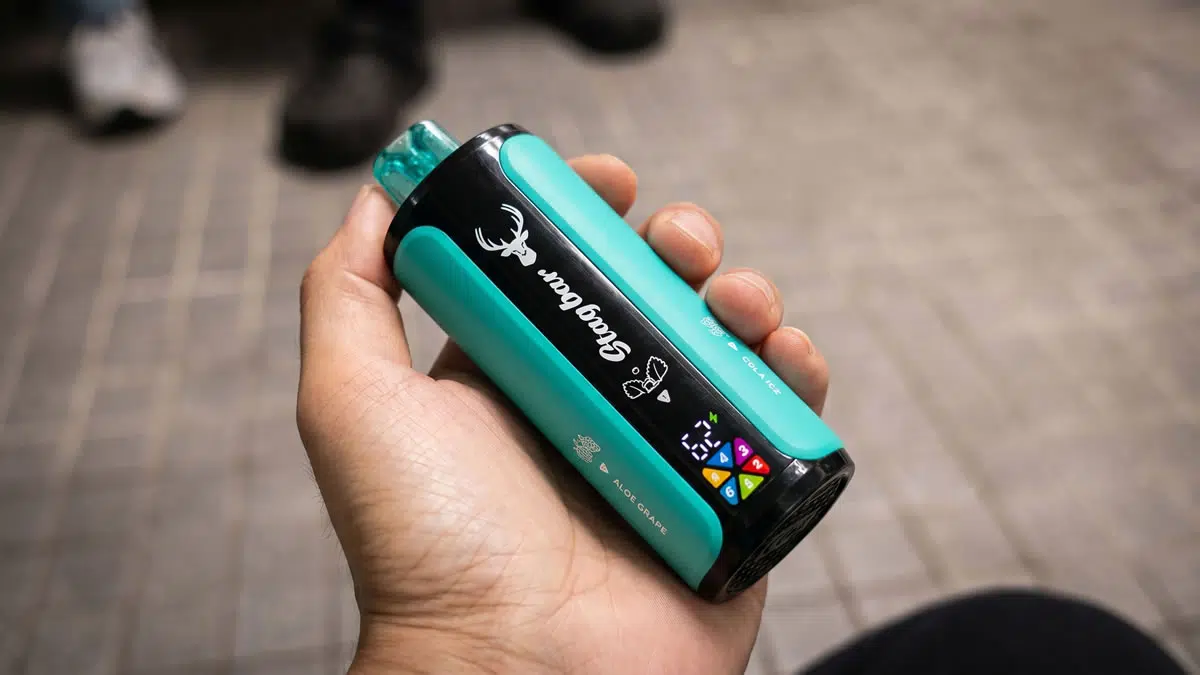
StagBar Vape 6in1 180K Puffs Disposable
The Stagbar 6-in-1 featuring a unique 6-flavor system and six independent mesh coils, this device allows users to switch between six distinct tastes in one sleek unit, delivering an unprecedented 180,000 puffs.
8 Practical Ways to Stop Coughing While Vaping
If you are struggling with a persistent vaper’s cough, you do not have to suffer through it. Apply these eight practical, expert-recommended adjustments to find your vaping sweet spot.
1. Perfect Your Inhalation Technique
The most common mistake new vapers make is dragging on an e-cigarette as if it were a combustible cigarette – taking short, sharp, aggressive puffs. Because vapor is much denser than tobacco smoke, this rapid draw forces a concentrated column of vapor directly against the back of the throat, causing an immediate cough.
Instead, practice taking longer, slower, and more controlled draws. Do not inhale extra air alongside the vapor. Let the device do the work, allowing the vapor to gently enter your mouth before inhaling.
2. Match Your Inhale Style to Your Device
Using the wrong inhalation style for your hardware is a guaranteed recipe for coughing. Ensure you are matching your technique to your device’s design:
- Mouth-to-Lung (MTL): Best for low-power starter kits, pod systems, and high-resistance coils (1.0 ohm or higher). Draw the vapor into your mouth first, hold it briefly, and then inhale it into your lungs. This style mimics cigarette smoking and is highly recommended for beginners.
- Direct-to-Lung (DTL): Best for high-wattage box mods and sub-ohm tanks (coils below 0.9 ohm). Inhale the vapor directly into your lungs in one deep, continuous breath, like taking a deep breath of air. Attempting an MTL draw on a DTL device will cause the vapor to overheat and trigger a severe cough.
3. Switch to Nicotine Salts
If you are using high-strength freebase e-liquid (12mg or 18mg) and find the throat hit unbearably harsh, switch to a nicotine salt e-liquid. Nic salts deliver the high nicotine satisfaction required to curb cigarette cravings but bypass the alkaline harshness, providing a silky-smooth inhale that is much easier on sensitive throats.
4. Increase the VG Ratio of Your E-Liquid
If you suspect a sensitivity to Propylene Glycol (PG), try transitioning to a high-VG e-liquid, such as a 70% VG / 30% PG blend. Vegetable Glycerin is significantly smoother, thicker, and gentler on the throat. Note: High-VG liquids are highly viscous, so ensure your device’s coils are rated for sub-ohm vaping to prevent dry, burnt hits.
5. Lower Your Device’s Wattage
Excessive heat is a major throat irritant. If you are using a device with adjustable power settings, turn the wattage down. Starting at a lower power output produces cooler, less dense vapor, giving your throat and lungs time to acclimatize to the sensation of vaping.
6. Combat Dehydration by Drinking Water
Because both PG and VG are hygroscopic humectants, they actively dry out your mucosal membranes. A dry throat is highly susceptible to tickling and coughing. Keep a glass of water nearby while vaping and take regular sips to maintain hydration and keep your throat lubricated.
7. Maintain and Prime Your Coils
Vaping on a dirty, degraded, or unprimed coil leads to “dry hits” – where the cotton wick burns, releasing highly irritating acrid smoke instead of clean vapor. Always prime new coils by dripping e-liquid directly onto the exposed cotton before assembly, and replace your coils regularly (typically every 1 to 2 weeks depending on usage) to avoid throat-irritating burnt tastes.
8. Give Your Body Time to Acclimatize
According to survey data, while 57% of vapers coughed during their first week, over 93% reported that their cough completely disappeared within a few weeks of continued use. Often, the simplest remedy is patience. As your lungs clear out old tobacco tar and your throat adjusts to the physical properties of vapor, the reflex will naturally subside.

StagBar Vape 4in1 80K Puffs Disposable
The Stagbar 4-in-1 80,000 is a revolutionary high-capacity disposable featuring 4 flavors and 4 independent mesh coils in one device, delivering an industry-leading 80,000 puffs.
Frequently Asked Questions (FAQs)
Is a vaper’s cough different from a smoker’s cough?
Yes. A smoker’s cough is a chronic condition caused by ongoing lung damage, toxic buildup, and paralyzed cilia. A vaper’s cough is typically a temporary, acute reflex caused by throat dryness, high nicotine, or the physical sensation of inhaling dense vapor. Additionally, transitioning smokers often experience a temporary cough as their lungs actively purge old tobacco tar.
Why does my throat feel tickly only when I vape certain flavors?
Certain flavoring compounds are naturally more volatile and throat-throaty than others. Menthol, citrus, cinnamon, and highly acidic fruit flavors are common throat irritants. If you experience a persistent tickle, try switching to smoother flavor profiles, such as dessert, bakery, or cream-based e-liquids, which tend to be much gentler on the throat.
Can I vape without inhaling into my lungs to avoid coughing?
Yes. You can perform a “cigar puff,” where you draw the vapor into your mouth, hold it for a few seconds to let the nicotine absorb through your oral mucous membranes, and exhale without drawing it into your lungs. While this method produces less throat hit and flavor satisfaction, it is highly effective at preventing cough reflexes.
How long does it take for vape cough to go away?
For the vast majority of users, vape cough disappears within a few days to two weeks as the respiratory tract adapts to the vapor. If you are a transitioning smoker, the coughing associated with lung clearing and cilia regrowth can last up to a month.
Could I be allergic to the ingredients in e-liquid?
While true allergies to Propylene Glycol (PG) are rare, mild sensitivities are relatively common. Symptoms of a PG sensitivity include a persistently sore throat, dry cough, sinus irritation, or minor skin rashes. If you experience these symptoms, switching to a high-VG (or 100% VG) e-liquid usually resolves the issue immediately.
Medical Disclaimer: The information provided in this article is for educational and informational purposes only and is not intended as medical advice. While a mild, temporary cough is common when transitioning to vaping, a persistent, painful, or worsening cough—especially when accompanied by chest pain, shortness of breath, wheezing, or coughing up blood—could indicate a serious underlying medical condition. If you experience any of these severe symptoms, discontinue vaping immediately and consult a qualified healthcare professional or your GP.


