A lingering hissing sound after hitting a vape typically points to a delayed draw-activation sensor, residual coil heat, a flooded coil, or blocked airflow vents. While a brief sizzle is normal during vaporization, persistent hissing requires immediate troubleshooting to prevent device damage or auto-firing hazards.
- Sensor Lag: Draw-activated sensors can remain engaged due to pressure imbalances, causing the battery to continue heating the coil.
- Flooded Coils: Excess e-liquid saturating the wick leads to uneven boiling, resulting in bubbling, spitting, and hissing.
- Auto-Firing Hazard: If a device hisses when not in use, it may be auto-firing, which requires immediate battery disconnection or disposal.
- Simple Fixes: Clearing airflow vents, adjusting draw strength, and using the correct PG/VG ratio can resolve most noise issues.
Vapers frequently encounter unexpected hissing, crackling, or bubbling sounds after taking a puff. While a brief crackle indicates normal vaporization, a sustained hiss after inhaling signals an underlying issue with the device’s airflow, sensor, coil, or battery. Addressing these sounds promptly protects the device’s lifespan and ensures user safety.
Determining the cause of this hiss can prevent issues like burnt hits, leaking, and premature coil degradation. This guide outlines why these noises occur, how to fix them, and when a noisy device poses a safety risk.
Distinguishing Between Normal Vape Sounds and Malfunctions
Vaporization is a thermal process that naturally produces sound. When the battery powers the heating coil, the temperature rises rapidly, causing the e-liquid on the cotton wick to reach its boiling point. This rapid transition from liquid to vapor creates micro-explosions, resulting in a soft crackling or sizzling sound during inhalation.
A healthy device should quiet down almost immediately after you stop drawing air. A lingering hiss that lasts for several seconds indicates that the coil is still receiving power, or that residual heat is continuing to vaporize e-liquid without active airflow. Recognizing the difference between normal operation and a malfunction is the first step in maintaining your hardware.
Why Does My Vape Hiss After I Hit It? Common Causes
Several factors can cause a vape to continue making noise after a puff. These range from minor physical blockages to electrical issues within the device.
1. Draw-Activated Sensor Lag and Sensitivity
Most buttonless disposable vape pens rely on a vacuum-sensitive switch or a small internal sensor to activate the battery. When you draw air through the mouthpiece, the pressure drop triggers the switch, completing the circuit to heat the coil.
If you take a very strong, fast puff, the internal air pressure may take a moment to equalize after you stop. This delay keeps the sensor engaged for an extra second or two, causing the battery to continue heating the coil and producing a lingering hiss. Additionally, pocket lint, dust, or condensed e-liquid can physically clog the sensor, preventing it from shutting off cleanly.
2. Residual Heat and Mesh Coil Lag
Modern vaping devices often use mesh coils, which feature a grid-like metal structure. Mesh coils provide a larger surface area to heat e-liquid quickly, but they also retain heat for a short period after the power cuts off.
If you take long, hot hits or engage in chain vaping, the metal coil remains hot enough to vaporize the remaining e-liquid on the wick for a fraction of a second after you stop inhaling. This residual vaporization creates a faint, fading hiss as the last of the vapor escapes through the mouthpiece.
3. Flooded Coils and E-Liquid Viscosity
Coil flooding occurs when too much e-liquid enters the coil chamber, oversaturating the wicking material. This is common when using thin e-liquids, storing the device in warm environments, or refilling a tank incorrectly. When the coil heats up, the excess liquid boils unevenly, creating loud hissing, bubbling, or spitting noises.
The ratio of Propylene Glycol (PG) to Vegetable Glycerin (VG) in your nicotine salt e-liquids affects viscosity. High-PG liquids are thinner and flood coils more easily, while high-VG liquids are thicker and can cause dry hits if the coil cannot wick fast enough. A mismatched ratio often leads to uneven vaporization and noise.
4. Blocked Airflow Vents
Vapes require a steady path of airflow to cool the coil and transport vapor. If the intake holes on the bottom or sides of the device are blocked by your fingers, pocket lint, or dirt, the internal vacuum increases. This restricted airflow makes the draw-activated sensor stay active longer and causes the vapor to move turbulently, generating a whistling or hissing sound.

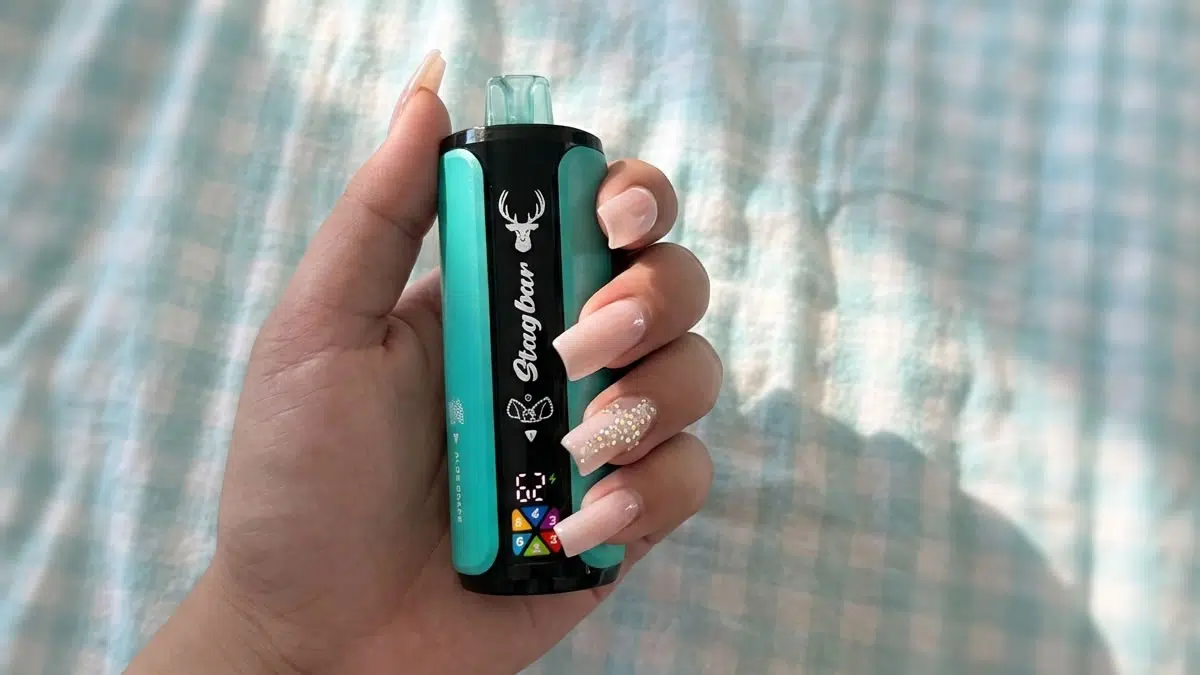
StagBar Vape 4in1 80K Puffs Disposable
The Stagbar 4-in-1 80,000 is a revolutionary high-capacity disposable featuring 4 flavors and 4 independent mesh coils in one device, delivering an industry-leading 80,000 puffs.
Why Is My Vape Hissing When Not in Use?
A vape should remain silent when idle. A device that makes noise on its own represents a serious issue that requires immediate attention.
Auto-Firing Malfunctions
If a device continues to hiss, produce vapor, or get hot when you are not using it, it is experiencing an “auto-fire” malfunction. This occurs when the internal sensor becomes permanently stuck in the active position due to liquid damage, physical drops, or manufacturing defects. Auto-firing is a safety hazard because the continuous heat can burn the wick, melt the plastic casing, and stress the battery.
Short Circuits and Battery Venting
Internal wiring damage or a failing battery can cause a short circuit, forcing the device to discharge power continuously. If your vape is hissing, getting hot to the touch, or emitting a burnt smell while sitting idle, the battery may be venting. In these situations, stop using the device immediately and place it on a non-flammable surface outdoors.
Comparing Vape Noises: Hissing, Popping, Bubbling, and Spitting
Understanding the specific sound your device makes helps identify the exact troubleshooting steps required.
| Sound Type | Primary Cause | Risk Level | Primary Action |
|---|---|---|---|
| Soft Crackle | Normal vaporization of e-liquid on the coil | Low | None; indicates normal operation. |
| Lingering Hiss | Sensor lag, residual coil heat, or blocked vents | Medium | Clean airflow vents and take lighter draws. |
| Loud Bubbling / Gurgling | Flooded coil chamber or condensation buildup | Low | Clear excess liquid by blowing through the mouthpiece. |
| Spitting / Popping | Oversaturated wick or low wattage settings | Medium | Increase wattage slightly or replace the coil. |
| Hissing When Idle | Auto-firing, short circuit, or battery failure | High | Stop use immediately; dispose of safely. |
How to Fix a Hissing Vape: Practical Troubleshooting Steps
If your device is making unwanted noises, you can resolve the issue using these simple maintenance steps.
1. The “Blow Back” Method
If the draw-activated sensor is stuck or condensation has collected inside the airflow path, try blowing gently into the mouthpiece for a fraction of a second. This reverse air pressure can reset the vacuum switch and clear out residual vapor or moisture. Avoid blowing too hard, as this can force e-liquid out of the intake holes.
2. Clean the Airflow and Intake Vents
Inspect the small intake holes on the body of your device. Use a toothpick, needle, or cotton swab to clear away lint, dust, or dried e-liquid. Keeping these pathways clear ensures proper air pressure and prevents the sensor from sticking.
3. Tap the Device to Clear Air Bubbles
Air bubbles can get trapped near the wicking ports of the coil, causing uneven heating and hissing. Gently tap the device against the palm of your hand a few times. This helps reposition the e-liquid and allows the wick to saturate evenly.
4. Adjust Your Inhalation Style
Taking long, aggressive draws creates a strong vacuum that can delay the sensor’s shut-off. Try taking lighter, more gradual puffs. This prevents sensor lag and gives the coil time to cool down between hits, reducing residual hissing.
5. Verify Wattage and Coil Settings
If you use a refillable mod, ensure your wattage matches the recommended range printed on the coil. If the wattage is too low, the coil will boil the liquid rather than vaporize it, causing gurgling and hissing. If the wattage is too high, the coil will overheat, causing dry hits and loud sizzling.

StagBar Vape 6in1 180K Puffs Disposable
The Stagbar 6-in-1 featuring a unique 6-flavor system and six independent mesh coils, this device allows users to switch between six distinct tastes in one sleek unit, delivering an unprecedented 180,000 puffs.
The Importance of Device Quality and Authenticity
The market contains counterfeit and low-quality vaping products that often use substandard sensors, batteries, and internal seals. These devices are far more prone to auto-firing, persistent hissing, and leaking. Purchasing authentic hardware from reputable manufacturers reduces these operational risks.
For those using disposable options, choosing reliable brands like the Stag Bar 6in1 ensures better sensor calibration and thermal management. If you prefer refillable systems, hardware like the Vaporesso Sub Ohm Tank or the Uwell Caliburn Pod Kit offers manual button activation, eliminating draw-sensor errors entirely.
According to the Cochrane review on E-Cigarettes, vaping serves as an effective tool for smoking cessation. However, maintaining your hardware is essential to ensure a safe experience. Organizations like Action on Smoking and Health (ASH) emphasize that public understanding of vape safety is key to reducing harm. Using regulated, authentic devices helps prevent issues associated with low-quality manufacturing.
When to Safely Dispose of Your Vape
While minor hissing is easy to fix, certain symptoms indicate a defective device that must be discarded immediately. Stop using your vape and prepare it for recycling if:
- The device continues to fire and hiss on its own (auto-firing) after troubleshooting.
- The body of the vape becomes extremely hot to the touch.
- You notice a persistent burnt smell or smoke coming from the vents when not in use.
- E-liquid has leaked into the battery compartment of a disposable device.
Because these devices contain lithium-ion batteries, do not throw them in the household trash. Under Germany regulatory standards and local waste guidelines, vapes must be taken to a designated battery recycling facility to prevent environmental hazards.
For users tired of troubleshooting disposable sensors, transitioning to reusable pod systems or starter kits offers a more reliable, cost-effective, and customizable alternative. Reusable devices allow you to replace individual coils and adjust settings, reducing waste and providing greater control over your vaping experience.


