Clinical data in 2026 establishes that electronic cigarettes serve as a highly effective harm-reduction tool for adult smokers. Switching entirely to vaping reduces toxicant exposure by 90% to 99% and leads to rapid cardiovascular improvements. However, emerging research also highlights potential long-term respiratory risks, cardiovascular concerns, and the dangers of illicit or unregulated products.
- High Cessation Success: Gold-standard reviews confirm nicotine e-cigarettes are more effective for long-term smoking cessation than traditional patches or gums.
- Vascular Recovery: Smokers who switch completely show measurable improvements in blood vessel function within 30 days.
- Residual Risks: Vaping is associated with elevated risks of respiratory irritation, potential DNA damage, and cardiovascular stress compared to non-use.
- The Necessity of Complete Switching: Dual-use (vaping while continuing to smoke) fails to provide substantial cardiovascular or respiratory harm reduction.
In 2026, the global scientific consensus on electronic cigarettes presents a dual narrative. Public health agencies and clinical researchers are balancing the proven benefits of e-cigarettes as smoking cessation aids against emerging data on their long-term physiological impacts. This detailed analysis synthesizes the latest findings from clinical trials, systematic reviews, and population studies to clarify the actual health effects of vaping.
Understanding these biological metrics is essential for adult smokers seeking alternatives, healthcare providers, and policymakers navigating the evolving regulatory landscape.
1. Smoking Cessation: Efficacy and Harm Reduction
The primary inquiry guiding public health policy is whether vaping successfully helps adult smokers abandon combustible tobacco. Systematic reviews conducted by the Cochrane Collaboration provide high-certainty evidence that electronic nicotine delivery systems yield higher long-term quit rates than conventional Nicotine Replacement Therapy (NRT) such as patches, gums, or lozenges.
The Cochrane Tobacco Addiction Group’s update analyzes data from 104 completed studies representing 30,366 adult participants. The data shows that for every 100 people using nicotine e-cigarettes to quit, approximately 8 to 12 successfully stop smoking for at least six months, compared to only 6 out of 100 using traditional NRT.
This higher success rate is attributed to two primary mechanisms:
- Pharmacological Matching: Modern vaping devices deliver nicotine with absorption kinetics that closely mimic the rapid plasma spikes of combustible cigarettes, mitigating acute withdrawal symptoms.
- Behavioral Substitution: Vaping replicates the physical hand-to-mouth actions, sensory throat hit, and social routines of smoking, which helps neutralize psychological triggers.
Comparative network meta-analyses now rank nicotine e-cigarettes alongside first-line pharmaceutical cessation agents. Consequently, medical bodies like the UK National Institute for Health and Care Excellence (NICE) recommend regulated electronic nicotine devices as primary tools for smoking cessation.
2. Chemical Exposure and Toxicological Profiles
The physical harm of smoking is driven by combustion. Burning cured tobacco leaves at temperatures exceeding 800°C generates smoke containing over 7,000 chemicals, including carbon monoxide, heavy metals, and dozens of confirmed human carcinogens.
E-cigarettes do not rely on combustion. Instead, they use low-temperature thermal vaporization (typically under 250°C) to aerosolize an e-liquid composed of propylene glycol (PG), vegetable glycerin (VG), nicotine, and flavorings. Biomarker of Exposure (BoE) assessments tracked in PubMed demonstrate a stark difference in toxicant burdens between exclusive vapers and smokers:
- Carbon Monoxide (CO): Exclusive vapers exhibit near-zero carbon monoxide levels, matching the baseline of non-smokers. This restores normal oxygen transport in the blood.
- Volatile Organic Compounds (VOCs): Vapers show a 90% to 99% reduction in biomarkers for acrolein, benzene, and butadiene.
- Polycyclic Aromatic Hydrocarbons (PAHs): Exposure levels are drastically lower, resulting in a reduced mutational burden and fewer DNA damage markers.
However, vaping is not chemically inert. The heating of PG and VG can generate trace levels of formaldehyde and acrolein, particularly if the heating coils overheat. While these levels are 10 to 100 times lower than those found in tobacco smoke, they still present measurable exposure compared to breathing clean air. Additionally, some studies warn that certain flavoring chemicals can cause localized cell damage and oxidative stress in lung tissue.
3. Cardiovascular Health: Short-Term Recovery vs. Long-Term Risks
Cardiovascular research reveals a complex picture of immediate vascular relief paired with long-term physiological questions.
The VESUVIUS Trial and Endothelial Function
The VESUVIUS Trial evaluated vascular changes in chronic smokers who switched to vaping. The study measured Flow-Mediated Dilation (FMD), which indicates how well blood vessels expand in response to blood flow. In cardiovascular medicine, every 1% increase in FMD correlates with a substantial reduction in long-term cardiovascular event risks.
Within 30 days of switching completely to e-cigarettes, trial participants achieved an absolute FMD increase of +1.49%. Furthermore, arterial stiffness, measured via Pulse Wave Velocity, decreased. This improvement occurred in participants using both nicotine-containing and nicotine-free devices, proving that acute vascular damage in smokers is driven primarily by combustion-derived toxins rather than nicotine itself.
Long-Term Cardiovascular Concerns
Despite these short-term improvements for former smokers, population-level data indicates that vaping still introduces cardiovascular stress. Nicotine inhalation temporarily increases heart rate and blood pressure, placing an extra workload on the heart.
A 2025 meta-analysis indicated that vapers have 53% higher odds of myocardial infarction (heart attack) compared to non-users. Additionally, a 2024 National Institutes of Health (NIH) data analysis associated e-cigarette use with a 19% increased risk of heart failure. However, researchers note that because the median age of participants in these studies was 52, it remains difficult to fully separate the effects of past, long-term cigarette smoking from the independent effects of vaping.

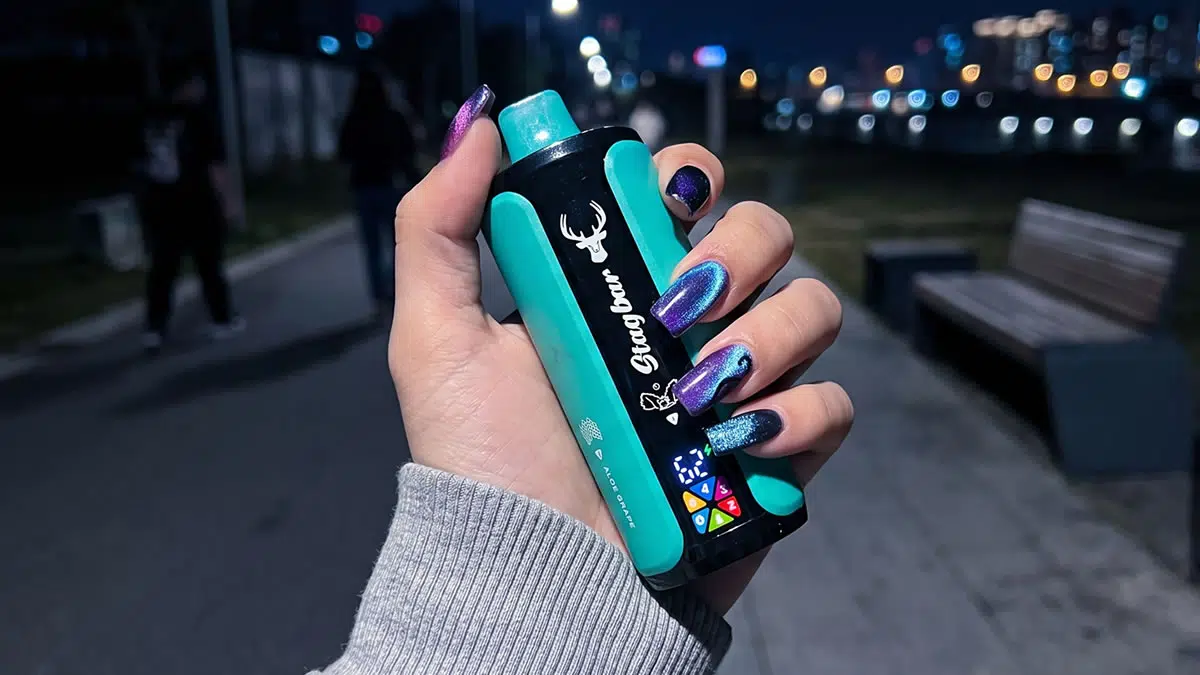
StagBar Vape 4in1 80K Puffs Disposable
The Stagbar 4-in-1 80,000 is a revolutionary high-capacity disposable featuring 4 flavors and 4 independent mesh coils in one device, delivering an industry-leading 80,000 puffs.
4. Respiratory Health and Lung Function
Because vaping involves direct inhalation into the lungs, respiratory health remains a primary focus of clinical research. The outcomes vary depending on whether the user is a transitioning smoker or a non-smoker.
Clinical Outcomes for Smokers with Lung Disease
For smokers already suffering from respiratory conditions like Chronic Obstructive Pulmonary Disease (COPD) or asthma, switching to vaping provides measurable relief. Multi-year trials conducted by respiratory specialists show that COPD patients who switch completely to e-cigarettes experience:
- Fewer Exacerbations: Annual COPD flare-ups drop from an average of 2.3 per year down to 1.4 per year.
- Improved Lung Function: Patients show stable or improved breathing capacity and higher exercise tolerance, measured by walking distance tests.
- Symptom Reduction: Standardized respiratory symptom scores show steady improvement over three years.
Emerging Risks and Lung Injury
For non-smokers, vaping introduces unnecessary respiratory risks. Research indicates that e-cigarette aerosol can trigger airway inflammation, oxidative stress, and a 39% higher odds of self-reported asthma compared to non-users.
The risk of severe lung injury, historically referred to as EVALI (e-cigarette or vaping product use-associated lung injury), has been heavily investigated. Clinical evidence confirms that EVALI was primarily caused by illicit, informal vaping cartridges containing vitamin E acetate, a thickening agent used to dilute THC oil.
To prevent such injuries, countries with strict product standards, such as the UK, prohibit the use of vitamin E acetate, diacetyl, and other harmful additives in regulated nicotine vapes. Consequently, documented cases of EVALI remain concentrated in regions with unregulated or illicit supply chains.
For a deeper understanding of these ingredient safety standards, read about the dangers of vitamin E acetate in vaping products or consult the American Lung Association’s EVALI resources.
5. Dual Use vs. Complete Switching
The clinical benefits of vaping are highly dependent on usage patterns. Many users engage in “dual-use,” meaning they continue to smoke traditional cigarettes while using e-cigarettes to cut down.
Research shows that dual-use fails to provide meaningful health benefits. The cardiovascular risks of tobacco smoke are non-linear; smoking even one or two cigarettes a day maintains high levels of vascular inflammation and arterial stiffness. To achieve the vascular and respiratory recovery documented in clinical trials, users must make a complete transition from smoking to vaping.
While reducing cigarette consumption is a positive behavioral step toward quitting, the ultimate clinical goal must be the total elimination of combustible tobacco.
6. Product Quality, Safety Standards, and Nicotine Addiction
The safety profile of vaping is heavily influenced by manufacturing quality, device technology, and user behavior. Unregulated or poorly manufactured e-liquids can contain heavy metals leached from low-quality heating coils, as well as unapproved flavoring agents.
Furthermore, the rise of fourth-generation devices utilizing high-concentration nicotine salts has changed how nicotine is absorbed. Nicotine salts lower the pH of the e-liquid, reducing throat irritation and allowing users to inhale higher concentrations of nicotine. While this helps heavy smokers transition, it also increases the risk of severe nicotine dependence, particularly among younger users.
Nicotine exposure is particularly harmful to the developing brain. Public health studies show that nicotine exposure before the age of 25 can permanently alter brain pathways responsible for attention, learning, memory, and impulse control. For more details on these neurological risks, refer to the Truth Initiative’s analysis of nicotine and the young brain.

StagBar Vape 6in1 180K Puffs Disposable
The Stagbar 6-in-1 featuring a unique 6-flavor system and six independent mesh coils, this device allows users to switch between six distinct tastes in one sleek unit, delivering an unprecedented 180,000 puffs.
Comparative Summary: Combustible Cigarettes vs. Vaping
The following table summarizes the comparative physiological markers of combustible tobacco use versus electronic nicotine delivery systems based on 2026 data.
| Health Metric | Combustible Cigarettes | Electronic Nicotine Devices (Vapes) |
|---|---|---|
| Primary Heat Mechanism | Combustion (800°C+) | Low-temperature vaporization (under 250°C) |
| Carbon Monoxide Exposure | High (causes tissue hypoxia) | Near-Zero (comparable to non-smokers) |
| Carcinogen & VOC Levels | Baseline 100% exposure | 90% to 99% reduction across major toxicant panels |
| 30-Day Vascular Impact | Impaired FMD; high arterial stiffness | Measurable FMD improvement (+1.49% gain) |
| Cessation Success Rate | Low (approx. 6% with traditional NRT) | Moderate-High (approx. 8% to 12% success) |
| Long-Term Health Risks | High risk of lung cancer, COPD, and stroke | Lower risk than smoking; some respiratory and cardiovascular stress |
Perspectives on Vaping Research
The scientific data in 2026 supports a pragmatic approach to tobacco harm reduction. For adult smokers who have struggled to quit using traditional methods, switching entirely to regulated e-cigarettes offers a clear path to reducing toxic exposure and improving cardiovascular and respiratory markers.
However, because vaping still carries health risks and potential for addiction, it is not recommended for non-smokers, youth, or young adults. Choosing high-quality, regulated hardware and e-liquids from trusted manufacturers remains essential to avoid unnecessary chemical exposure.


