Throat irritation from vaping is typically caused by excessive nicotine strength, high propylene glycol (PG) ratios, or incorrect device settings. By identifying whether the issue stems from your e-liquid composition or a burnt coil, you can adjust your setup, switch to nicotine salts, or lower your wattage to achieve a comfortable, irritation-free inhale.
- Nicotine Formulation: High levels of freebase nicotine cause a harsh throat hit; switching to nicotine salts provides a smoother sensation at higher strengths.
- PG/VG Balance: E-liquids with high PG ratios dry out the throat, whereas higher VG ratios produce smoother, denser vapor.
- Coil Maintenance: Failing to prime a new coil or vaping at excessive wattages leads to dry hits, burning the cotton wick and causing severe throat pain.
- Hardware Settings: Restricting airflow or exceeding the recommended coil wattage heats the vapor to uncomfortable temperatures.
Vapers frequently experience throat irritation, coughing, or burning sensations due to incorrect nicotine levels, improper PG/VG ratios, or misconfigured hardware. Identifying the exact cause allows users to adjust their setup, switch to nicotine salts, or replace worn coils to restore a comfortable vaping experience.
While a mild throat tickle is common when transitioning from smoking to vaping, persistent pain or coughing indicates an underlying issue. Resolving this discomfort requires analyzing your e-liquid ingredients, checking your coil condition, and adjusting your device settings.
Distinguishing a Normal Throat Hit from Irritation
Before changing your e-liquid or hardware, you must determine whether the sensation you feel is a normal side effect of vaping or a sign of an incorrect setup. Vaping produces distinct sensations depending on the ingredients and temperature used.
What is a Normal Throat Hit?
A throat hit is the brief contraction of the larynx that occurs during inhalation. For former smokers, this sensation mimics the feeling of inhaling tobacco smoke and is often desired to satisfy cravings. A normal throat hit should feel like a mild, temporary pressure in the back of the throat that dissipates immediately after exhaling. It should not cause pain, lingering soreness, or coughing fits.
Signs of Throat Irritation and Dry Hits
If your throat feels sore, dry, or scratchy minutes after vaping, you are experiencing irritation rather than a standard throat hit. This is often accompanied by a persistent cough. A dry hit is a far more severe issue, characterized by a sudden, hot, and acrid taste of burnt cotton. Dry hits occur when the wick inside the coil is dry, causing the heating element to burn the cotton instead of vaporizing the liquid. This produces a harsh, painful vapor that immediately irritates the respiratory tract.
Chronic throat irritation without a burnt taste may also point to a sensitivity to propylene glycol (PG), which naturally draws moisture out of the mucous membranes, leaving the throat dry and vulnerable to soreness.
How Nicotine Strength and Type Affect the Throat
Nicotine is the primary contributor to the throat hit in e-liquids. Using the wrong type of nicotine or an incorrect concentration for your device will quickly lead to throat discomfort.
Freebase Nicotine vs. Nicotine Salts
Standard e-liquids use freebase nicotine, which is alkaline. As the nicotine concentration increases, the alkalinity of the vapor rises, resulting in a harsher throat hit. Freebase nicotine strengths of 12 mg/ml or 18 mg/ml are highly effective for heavy smokers but can feel intensely scratchy, especially when paired with powerful sub-ohm devices.
Nicotine salts offer a solution for those who require high nicotine concentrations without the harshness. By adding benzoic acid to freebase nicotine, manufacturers lower the pH level of the liquid. This chemical adjustment creates a smoother vapor that is absorbed rapidly by the body, mimicking the quick satisfaction of a cigarette. A 20 mg/ml nicotine salt e-liquid delivers a much gentler throat sensation than a 12 mg/ml freebase e-liquid, making it ideal for sensitive throats.
The Risks of Over-Boosting Shortfills
Shortfill e-liquids are larger bottles (typically 50 ml) sold without nicotine to comply with tobacco regulations. Users add 10 ml nicotine boosters to reach their desired strength. However, attempting to boost a 50 ml bottle beyond 6 mg/ml by adding multiple boosters dilutes the flavor concentrates and alters the PG/VG ratio. More importantly, it can make the mixture highly irritating to inhale. If you require a nicotine strength higher than 6 mg/ml, you should purchase pre-mixed 10 ml bottles rather than over-boosting shortfills.
Additionally, nicotine degrades over time when exposed to heat, light, and oxygen. Oxidized nicotine turns dark brown, develops a peppery taste, and becomes highly irritating to the throat. Always store your e-liquids in a cool, dark place and discard bottles that have been open for more than a few months.

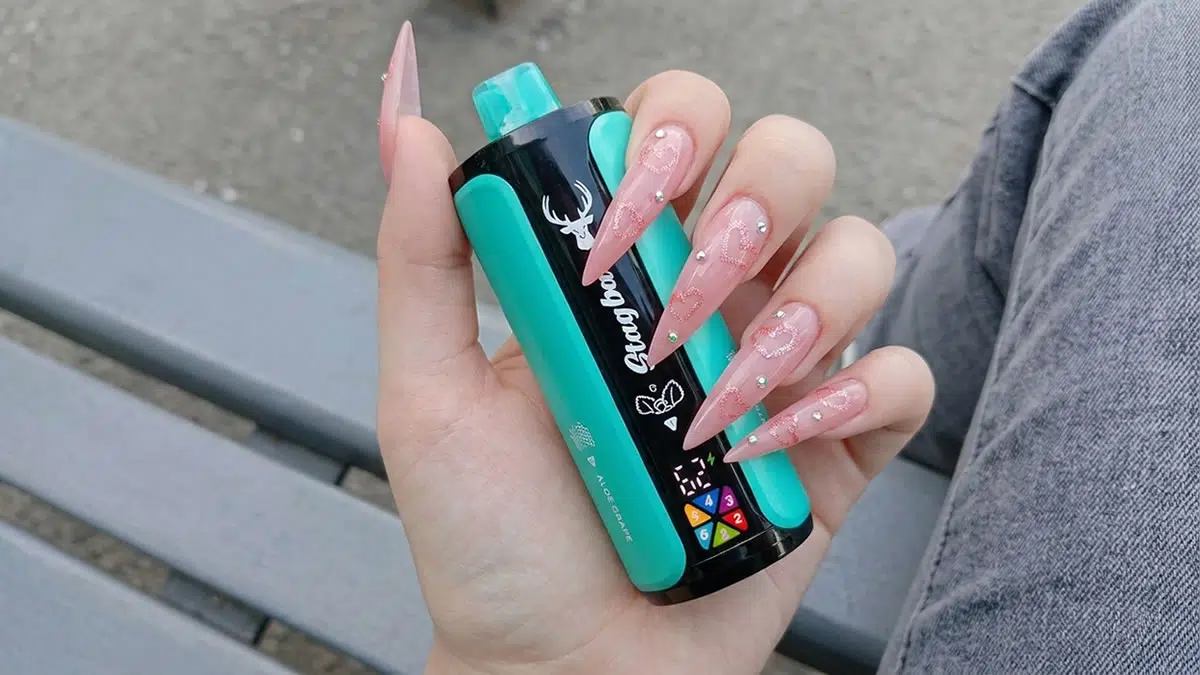
StagBar Vape 4in1 80K Puffs Disposable
The Stagbar 4-in-1 80,000 is a revolutionary high-capacity disposable featuring 4 flavors and 4 independent mesh coils in one device, delivering an industry-leading 80,000 puffs.
The Role of PG/VG Ratios in Vapor Smoothness
The base of every e-liquid consists of Propylene Glycol (PG) and Vegetable Glycerin (VG). The ratio between these two ingredients dictates the thickness of the liquid, the intensity of the flavor, and the smoothness of the vapor.
Why High Propylene Glycol (PG) Causes Irritation
Propylene glycol is a thin, tasteless liquid that carries flavorings efficiently and provides the throat hit associated with smoking. However, PG is hygroscopic, meaning it absorbs moisture from its surroundings. When you inhale high-PG vapor, the liquid draws moisture from your mouth and throat. If you use an e-liquid with a PG ratio of 70% or 80%, this drying effect is amplified, leading to tickling sensations, coughing, and localized inflammation.
The Smoothing Effect of Vegetable Glycerin (VG)
Vegetable glycerin is a thick, sweet liquid derived from plant oils. It produces dense vapor clouds and has a naturally smooth texture. E-liquids with higher VG concentrations (such as 70% VG or 80% VG) are much gentler on the throat. However, because VG is highly viscous, it requires more heat to vaporize and takes longer to saturate the cotton wick inside the coil.
| PG/VG Ratio | Throat Hit Intensity | Vapor Volume | Best Suited For |
|---|---|---|---|
| 80/20 or 70/30 | Very High | Low | Low-power MTL devices, strong throat hit seekers |
| 60/40 | Moderate to High | Moderate | Standard pod systems, balanced flavor |
| 50/50 | Balanced | Moderate | Beginners, standard pod systems, nicotine salts |
| 30/70 | Low | High | Sub-ohm tanks, direct-lung (DL) vaping |
| Max VG | Very Low | Very High | Rebuildable atomizers, cloud chasing, PG sensitivity |
Matching Your E-Liquid Ratio to Your Hardware
Using a high-VG e-liquid in a small pod system with tiny wicking ports will cause the cotton to dry out, leading to dry hits. Conversely, using a thin, high-PG liquid in a powerful sub-ohm tank will cause the tank to leak and spit hot liquid into your mouth, burning your throat. For most standard pod devices, a balanced 50/50 ratio provides the best compromise between flavor, vapor production, and throat comfort.
Identifying Propylene Glycol (PG) Sensitivity
A small percentage of vapers suffer from a sensitivity or mild intolerance to propylene glycol. For these individuals, even a balanced 50/50 e-liquid can cause chronic sore throats, dry mouth, upper respiratory irritation, or mouth ulcers.
If you experience persistent throat pain despite using low nicotine levels and fresh coils, try switching to a 100% VG e-liquid or a liquid formulated with Végétol. Végétol is a natural, non-irritating alternative to PG derived from grain fermentation. It carries flavors and nicotine efficiently without causing the dryness associated with propylene glycol. When switching to high-VG or Végétol liquids, ensure your tank or pod is compatible with thicker formulations to prevent wicking issues.

Stag Bar Ejuice
The Stagbar Ejuice comes with ultimate flavors and ultimate experiences!
- 50mg/ml
- 30ml bottle
- 50/50 PG/VG Ratio
Hardware Factors: Coils, Wattage, and Airflow
Even the highest quality e-liquid will burn your throat if your hardware is configured incorrectly or if your coil has reached the end of its lifespan.
Preventing Dry Hits and Coil Burnout
The cotton wick inside your coil must remain saturated with e-liquid. If the cotton dries out while the heating element is active, it burns instantly. Once a coil’s cotton is charred, the burnt taste will persist, and the coil must be replaced. To avoid this:
- Prime New Coils: When installing a new coil, apply a few drops of e-liquid directly onto the exposed cotton wicking ports. Fill the tank and let it sit for 10 minutes before taking your first puff to ensure complete saturation.
- Avoid Chain Vaping: Taking rapid, consecutive puffs does not give the cotton enough time to absorb fresh liquid. Space your inhalations by 15 to 30 seconds to allow the wick to saturate.
- Monitor Liquid Levels: Never let your tank run completely empty. Refill the reservoir once the liquid level drops below the exposed cotton ports on the coil.
Optimizing Wattage and Airflow
Every manufactured coil has a recommended wattage range printed on its metal casing (for example, 15W–25W). Exceeding this range vaporizes the liquid faster than the wick can replenish it, leading to dry hits. It also heats the vapor to temperatures that can burn the throat.
Airflow settings also influence vapor temperature. A tight, restricted airflow concentrates the heat, making the vapor warmer and harsher. Opening the airflow draws more cool air into the chamber, diluting the vapor and lowering its temperature for a smoother inhale. If your vape feels too hot, try lowering your wattage by a few units and opening the airflow control valve.
Frequently Asked Questions
-
Why does my vape burn my throat even with nicotine salts?
While nicotine salts are smoother than freebase nicotine, they can still cause irritation if used with sub-ohm coils (resistances below 1.0 ohm) at high wattages. High-strength nicotine salts (10 mg/ml to 20 mg/ml) should only be used in low-power pod systems with coils rated above 1.0 ohm. Using them in high-wattage devices vaporizes too much nicotine at once, causing throat irritation and nicotine overexposure.
-
How do I know if my coil needs to be replaced?
A coil typically lasts between one and three weeks depending on your usage and the type of e-liquid you use. Sweet, dark, or dessert-flavored e-liquids contain sweeteners that caramelize on the heating element, forming a dark residue that burns the cotton quickly. You should replace your coil if you notice a drop in vapor production, muted flavor, a dark coloration of the e-liquid inside the tank, or a slightly burnt taste at the end of an inhale.
-
Can menthol or cooling agents cause throat irritation?
Yes. E-liquids containing menthol or synthetic cooling agents (such as Koolada or WS-23) provide a cold sensation that can feel sharp or irritating to sensitive throats. If you experience throat tightness or coughing when vaping iced flavors, try switching to non-iced fruit or tobacco flavors to see if the irritation subsides.


