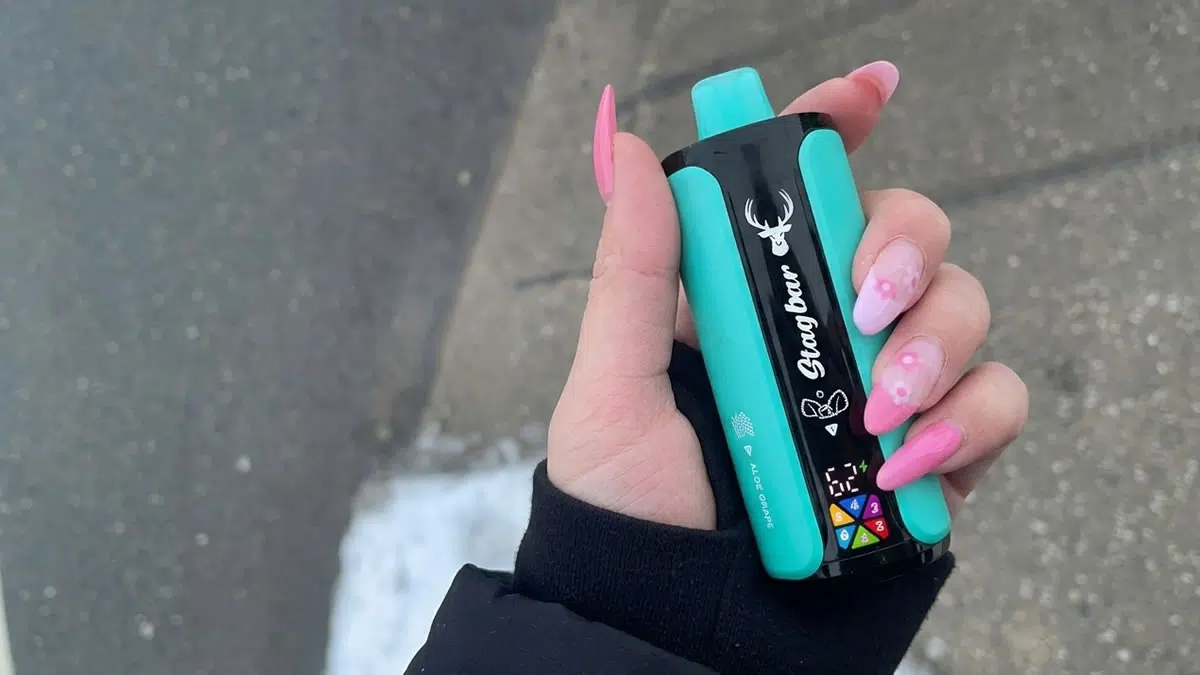
Vaping around dogs introduces health risks through secondhand aerosol inhalation, accidental ingestion of concentrated nicotine e-liquids, and physical injuries from chewing device components like lithium-ion batteries. Because dogs process toxins differently and possess curious behaviors, pet owners should avoid vaping indoors or in vehicles, store all supplies in locked cabinets, and treat any vape ingestion as a medical veterinary emergency.
- Aerosol Toxins: E-cigarette clouds contain nicotine, heavy metals, and volatile organic compounds, rather than harmless water vapor.
- Nicotine Toxicity: Concentrated e-liquids absorb rapidly through a dog’s oral tissues, causing symptoms like vomiting, tremors, or seizures within minutes.
- Physical Hazards: Swallowing or chewing vape hardware can cause internal tissue burns from punctured lithium-ion batteries, lacerations from glass or metal, and intestinal blockages.
- Immediate Action: If a dog chews a vape or licks e-liquid, owners must contact a veterinarian or poison control center immediately without waiting for symptoms to appear.
Sharing an indoor space or vehicle with a dog while vaping exposes the animal to airborne chemical aerosols, while discarded cartridges, e-liquids, and batteries present acute poisoning and physical trauma risks. Veterinary experts warn that pet owners must implement strict safety protocols to prevent toxic exposure and physical injuries.
While vaping does not produce the same smoke as a traditional combustible cigarette, the cloud generated by e-cigarettes is not simple water vapor. Because dogs explore their environment using their mouths and noses, they are highly vulnerable to the chemical residues left on surfaces, as well as the physical components of the devices themselves.
This guide outlines the current scientific understanding of secondhand vape exposure in pets, the physiological dangers of nicotine and battery ingestion, and the practical steps dog owners must take to maintain a safe household.
Understanding Vape Aerosol Composition
The visible cloud emitted by an e-cigarette is technically an aerosol rather than a vapor. An aerosol consists of liquid droplets and fine particles suspended within a gas. According to the Centers for Disease Control and Prevention (CDC), e-cigarette aerosol contains nicotine, volatile organic compounds, ultrafine particles, and heavy metals such as nickel, tin, and lead.
When a person vapes indoors, these suspended particles do not simply disappear. They settle onto floors, carpets, furniture, and the dog’s fur. Dogs routinely groom themselves by licking their coats and paws, meaning any chemical residue deposited from the air can be orally ingested. This secondary pathway of ingestion increases the total chemical exposure a dog experiences in a home where indoor vaping occurs.
Current Veterinary Research on Secondhand Exposure
Direct scientific research regarding the long-term effects of secondhand e-cigarette aerosol on canine health remains limited. A 2026 scoping review examining secondhand smoke and e-cigarette exposure in domestic pets confirmed a clear link between traditional tobacco smoke and respiratory illnesses in dogs and cats. However, the researchers identified a lack of direct, long-term studies focusing specifically on e-cigarette aerosol in pets.
This lack of specific data does not indicate that the practice is safe. The presence of known toxins in e-cigarette emissions, combined with the established sensitivity of the canine respiratory system, leads veterinary toxicologists to advise against indoor exposure. Dogs have highly sensitive olfactory systems and nasal passages, making them more susceptible to airway irritation from inhaled foreign substances than humans.
Primary Exposure Pathways for Dogs
Dogs can interact with vaping products through several distinct pathways. The severity of the health risk depends heavily on how the animal was exposed.
| Exposure Type | Common Scenario | Primary Health Concern |
|---|---|---|
| Aerosol Inhalation | Vaping in an enclosed room, hallway, or vehicle containing a dog. | Respiratory tract irritation, coughing, and long-term exposure to heavy metals. |
| E-Liquid Ingestion | A dog licks spilled juice or chews open a refill bottle or pod. | Rapid systemic nicotine poisoning through oral mucous membranes. |
| Device Mastication | A dog chews a disposable vape or reusable mod left on a table. | Chemical burns from batteries, internal punctures, and choking hazards. |
| Surface Residue | Aerosol settling on dog bedding, toys, or the animal’s coat. | Ingestion of toxins during routine self-grooming or toy chewing. |
| Cannabis Vapes | Exposure to THC, CBD, or other cannabis-derived vape liquids. | Cannabinoid toxicity, neurological depression, and coordination loss. |

StagBar Vape 4in1 80K Puffs Disposable
The Stagbar 4-in-1 80,000 is a revolutionary high-capacity disposable featuring 4 flavors and 4 independent mesh coils in one device, delivering an industry-leading 80,000 puffs.
The Lethal Potency of E-Liquids and Hardware
The most acute threat to a dog’s life is the direct ingestion of e-liquid. Many e-liquids contain highly concentrated nicotine, often ranging from 3 mg/mL to over 50 mg/mL in disposable devices and nicotine salt pods. Because nicotine is rapidly absorbed through the lining of the mouth, a toxic dose can enter the dog’s bloodstream before the liquid even reaches the stomach.
For a small dog, ingesting even a fraction of a teaspoon of concentrated e-liquid can be fatal. The risk is compounded by the flavorings used in these products. Sweet, fruity, or dessert-like scents are highly attractive to dogs, who may mistake a cartridge or bottle for a treat. Additionally, some e-liquids contain trace ingredients or sweeteners like xylitol, which causes rapid insulin release and acute liver failure in dogs.
The physical components of a vape pen present separate, severe mechanical dangers:
- Lithium-Ion Batteries: If a dog’s teeth puncture a vape battery, the battery can rupture, causing thermal burns and releasing corrosive alkaline materials that destroy oral and esophageal tissue.
- Sharp Materials: Shattered glass tanks, metal coils, and hard plastic casings can cause lacerations in the mouth, throat, and digestive tract.
- Gastrointestinal Blockage: Non-digestible parts like pods, batteries, and mouthpieces can become lodged in the stomach or intestines, requiring emergency surgical removal.
Clinical Signs of Nicotine and Cannabis Toxicity
Symptoms of nicotine poisoning in dogs develop rapidly, often within 15 to 60 minutes of exposure. The severity of the symptoms depends on the dog’s body weight and the amount of nicotine consumed.
Common clinical signs of nicotine poisoning include:
- Profuse drooling and nausea
- Vomiting and diarrhea
- Hyperactivity, restlessness, or pacing
- Muscle tremors, twitching, or weakness
- An uncoordinated, wobbly gait (ataxia)
- Rapid heart rate and elevated blood pressure
- Difficulty breathing or rapid panting
- Seizures, collapse, or death in severe cases
If the dog chews a vape containing THC or other cannabis derivatives, the symptoms differ. Dogs possess a higher density of cannabinoid receptors in the brain than humans, making them highly sensitive to THC. Signs of cannabis toxicity include extreme lethargy, wobbly movement, dilated pupils, sensitivity to sound or touch, slow heart rate, and urinary incontinence.
Emergency Action Plan for Pet Owners
If a dog has ingested e-liquid or chewed a vaping device, do not adopt a “wait-and-see” approach. Immediate action is required to prevent serious injury or death.
- Secure the Dog and the Area: Safely remove any remaining pieces of the device or spilled liquid. Do not place your hands near the mouth of a dog that is seizing, panicking, or showing aggression.
- Contact Medical Professionals: Call a local veterinarian, the nearest emergency veterinary hospital, or an animal poison control service immediately. Have the product packaging on hand to explain exactly what was consumed.
- Do Not Induce Vomiting: Never force the dog to vomit unless explicitly instructed by a veterinarian. If the dog swallowed a lithium-ion battery or sharp glass, inducing vomiting can cause esophageal perforation or severe chemical burns.
- Collect Product Details: Save the packaging, cartridge, or device casing. Knowing the exact nicotine concentration (expressed in mg/mL or percentage) and the presence of other substances like THC helps the veterinary team determine the correct treatment plan.
Seven Crucial Safety Rules for Pet Households
Preventing exposure is the only reliable way to protect pets from the hazards of vaping. Implement these seven operational rules in your home:
1. Relocate Vaping Activities Outdoors
Vaping near an open window or under a range hood does not prevent aerosol from circulating through a room. Air currents easily carry the chemical droplets back inside. Establish a strict rule to vape only outdoors, away from doors, windows, and areas where your dog rests.
2. Prohibit Vaping Inside Vehicles
A car is a confined space where chemical aerosols accumulate rapidly. Even with the windows partially open, the concentration of airborne particles remains high. Keep your dog safe by refusing to vape while inside any vehicle.
3. Secure Storage in Elevated, Locked Cabinets
Dogs are notorious for chewing items left on coffee tables, nightstands, or low counters. Store all vaping hardware, charger cords, spare batteries, and e-liquid bottles inside a closed, latched cabinet or a locked box that is completely out of the dog’s reach.
4. Perform Refills in Separate Rooms
When refilling a tank or replacing a pod, do so over a cleanable surface in a room closed off to your dog. This prevents the dog from licking up accidental drops or grabbing a dropped cartridge. Wash your hands thoroughly after handling e-liquids before touching your dog or their toys.
5. Execute Immediate Spill Cleanup Protocols
If e-liquid spills, immediately move your dog to another room. Wipe up the liquid using disposable paper towels, clean the surface thoroughly with soap and water, and place the soiled towels in a secured outdoor trash bin. If e-liquid contacts your dog’s skin or fur, bathe them immediately with pet-safe shampoo to prevent them from licking the chemical off their body.
6. Utilize Pet-Proof Disposal Systems
Discarded pods, empty cartridges, and used disposable vapes still contain residual nicotine. Do not throw these items into open household trash cans. Use a trash bin with a locking lid, or place the waste directly into an outdoor bin that your dog cannot access.
7. Establish Rules for House Guests
Visitors may not be aware of the dangers vaping poses to pets. They might leave a vape pen in a coat pocket, purse, or backpack left on the floor. Ask guests to keep their personal items zipped and stored in a closet, and remind them of your outdoor-only vaping policy.

StagBar Vape 6in1 180K Puffs Disposable
The Stagbar 6-in-1 featuring a unique 6-flavor system and six independent mesh coils, this device allows users to switch between six distinct tastes in one sleek unit, delivering an unprecedented 180,000 puffs.
The Myth of Safe Nicotine-Free Vapes
Products labeled “nicotine-free” or “0%” are still hazardous to dogs. The aerosol from these devices still contains chemical solvents, carrier liquids like propylene glycol and vegetable glycerin, flavorings, and heavy metal particulates. Furthermore, the physical device still contains a lithium-ion battery and sharp components that can cause choking, internal blockages, or severe mouth burns if chewed.
Treat all vaping products, regardless of their nicotine content, with the same level of caution. Do not allow your dog to inhale the aerosol or interact with the hardware of any electronic smoking device.
Long-Term Behavioral and Physiological Changes
Chronic exposure to secondhand vape aerosol can manifest as subtle, ongoing health issues in dogs. Owners should watch for persistent coughing, watery eyes, frequent sneezing, or nasal discharge. If a dog displays a sudden loss of appetite, lethargy, or unexplained behavioral changes after a vape product goes missing, seek professional veterinary diagnostics immediately rather than assuming the issue will resolve on its own.
Frequently Asked Questions
-
Is secondhand vape smoke bad for dogs?
Yes. Secondhand vape aerosol contains nicotine, heavy metals, and volatile organic compounds. While long-term studies on dogs are limited, breathing these chemicals can irritate a dog’s respiratory tract and lead to toxin accumulation over time.
-
Is it safe if I do not blow vapor directly at my dog?
No. Even if you blow the aerosol away from your dog, the chemical droplets remain suspended in the air and eventually settle on the floor, furniture, and the dog’s fur, where they can be inhaled or ingested during grooming.
-
Is vaping beside an open window safe for dogs?
No. Open windows do not provide enough ventilation to clear the aerosol completely. Wind currents can blow the chemicals back into the room, exposing your pet. Vaping should always be done entirely outdoors.
-
What should I do if my dog licked a small amount of vape juice?
Contact a veterinarian or an animal poison control center immediately. Even small amounts of concentrated nicotine can cause rapid poisoning in dogs. Do not wait for symptoms to appear before seeking help.
-
What if my dog chewed an empty disposable vape?
Treat the situation as a medical emergency. Even “empty” devices contain residual nicotine and a lithium-ion battery. The battery can cause severe chemical burns if punctured, and the plastic or metal pieces can cause internal blockages.
-
Can vaping THC around dogs make them sick?
Yes. Dogs are highly sensitive to THC. Inhaling cannabis vape clouds or ingesting THC liquids can cause coordination loss, extreme lethargy, wobbly movement, and urinary incontinence, requiring immediate veterinary care.
-
How quickly can nicotine poisoning affect a dog?
Nicotine poisoning symptoms can begin within 15 to 60 minutes of ingestion. Because nicotine absorbs quickly through the mouth, immediate veterinary intervention is critical.


