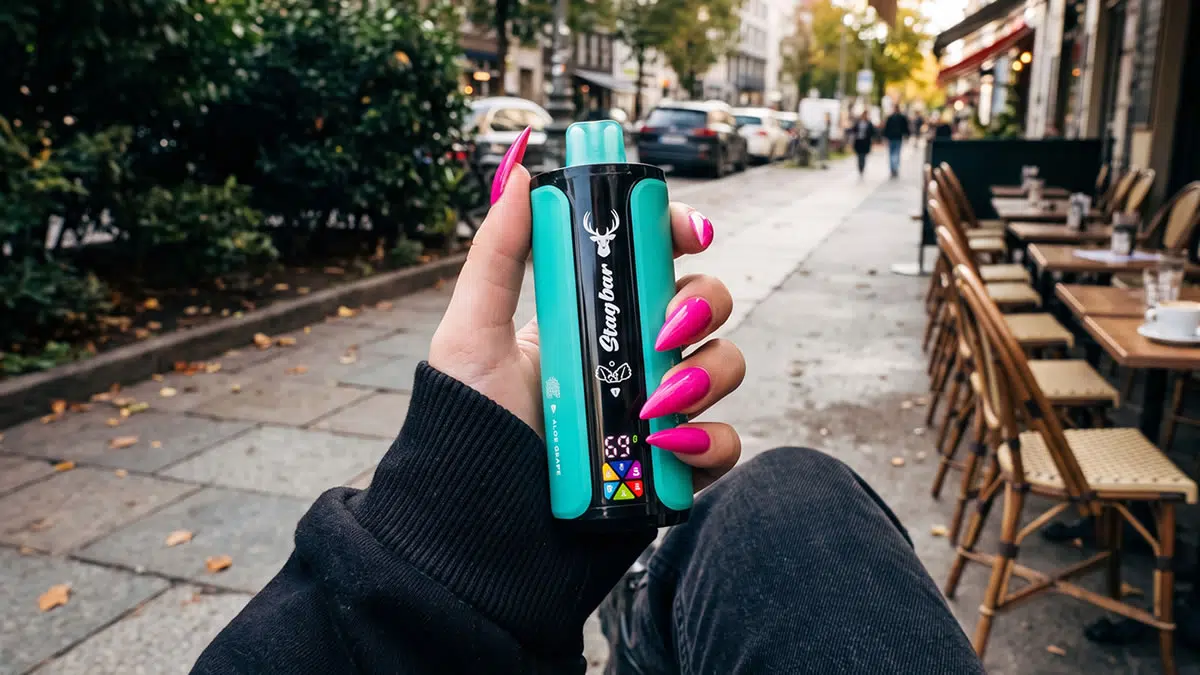
Starting a legal vape business in Dubai requires dual compliance: securing a commercial trading license from the Department of Economy and Tourism (DED) or a Free Zone authority, and obtaining mandatory product certification from the Ministry of Industry and Advanced Technology (MoIAT) under the Emirates Conformity Assessment Scheme (ECAS). Retailers must also secure municipal retail permits, clear Federal Tax Authority (FTA) excise mandates, and observe strict age-verification and anti-advertising laws.
- Commercial Licensing: Founders must choose between Mainland (permitting direct domestic sales) and Free Zone entities (focused on re-exports).
- Mandatory Technical Standards: Every hardware SKU and e-liquid formulation requires testing against UAE Standard 19204 and ECAS certification before distribution.
- Financial Requirements: Minimum setup costs range from AED 150,000 to AED 300,000 for standard retail ventures, covering licensing, testing, and store leases.
- Taxation and Zoning: Products face a 100% excise tax under the Federal Tax Authority alongside strict municipal retail location zoning.
Following the legalization of electronic cigarettes in April 2019, the United Arab Emirates transformed its domestic nicotine market from a prohibition zone into a heavily monitored sector. Market data shows the UAE e-cigarette sector generated $59.38 million in revenue in 2023, with projections indicating a compound annual growth rate (CAGR) of 9.41% through 2027. Despite consumer demand, entry into this market requires adherence to federal health directives, consumer safety protocols, and strict technical standards.
Operating a vape enterprise in Dubai requires navigating municipal, federal, and tax authorities simultaneously. Commercial success depends on understanding product conformity procedures, store zoning, import mechanics, and consumer protection laws.
Regulatory Evolution: The UAE Vaping Legal Framework
Prior to April 2019, the UAE prohibited the import, sale, and distribution of electronic cigarettes under federal anti-tobacco statutes. The government repealed this blanket prohibition by issuing regulatory standards designed to curb the unregulated black market, monitor ingredient safety, and collect tax revenue from adult nicotine alternatives.
The regulatory ecosystem is overseen by four governmental bodies:
- Ministry of Industry and Advanced Technology (MoIAT): Formerly operating as the Emirates Authority for Standardisation and Metrology (ESMA), MoIAT enforces technical standards, certifies hardware, and approves e-liquid formulations.
- Department of Economy and Tourism (DED): Issues the primary commercial license (“Electronic Cigarette & Accessory Trade”) required for operating in the Dubai mainland.
- Dubai Municipality (DM): Enforces public health protocols, approves packaging and Arabic health warning labels, and inspects retail premises.
- Federal Tax Authority (FTA): Administers customs clearance and collects mandatory excise duties levied on electronic smoking devices and liquids.
Choosing Corporate Jurisdictions: Mainland vs. Free Zone
Founders must select an appropriate corporate structure before filing applications with the licensing registry. In the UAE, this decision centers on whether the business intends to sell directly to local consumers or serve as an international transit hub.
Mainland Company Setup
A mainland entity licensed through the Dubai Department of Economy and Tourism allows businesses to distribute products directly to consumers across all seven emirates. It allows founders to open retail shops in shopping malls, commercial streets, and standalone locations. Recent legislative updates to UAE commercial company laws permit 100% foreign ownership for general trading and retail businesses, removing the historical mandate for a 51% local Emirati shareholder.
Free Zone Company Setup
Free zones provide corporate tax exemptions, streamlined customs clearance, and total foreign capital repatriation. However, a free zone entity cannot directly distribute goods to retail buyers on the UAE mainland without appointing a licensed local mainland distributor or establishing an onshore branch office. Free zone jurisdictions suit import-export businesses, brand headquarters, and wholesale logistics firms targeting wider Middle Eastern, African, or Central Asian markets.
| Operating Parameter | Mainland Establishment (DED) | Free Zone Establishment |
|---|---|---|
| Domestic UAE Retail Sales | Permitted directly via storefronts and local e-commerce | Prohibited without a local onshore distributor |
| Foreign Ownership | 100% foreign ownership allowed | 100% foreign ownership allowed |
| Physical Store Locations | Any commercial-zoned district across Dubai | Confined to designated Free Zone business parks |
| Customs and Import Tariffs | Standard 5% customs duty plus local excise clearance | Duty-free within the zone; duties apply upon entering mainland |
Step-by-Step Licensing and Registration Protocol
Establishing an operational business requires completing procedural stages across federal and municipal jurisdictions. Omitting any step halts commercial activity and risks inventory seizure at border checkpoints.
1. Reserve Trade Name and Secure Initial Approval
The company name must comply with national guidelines, avoiding religious terms, political references, or misleading phrases. The applicant registers the commercial activity code under “Electronic Cigarette & Accessory Trade” (classified under Tobacco and Smoking Accessories Trade) through the DED or chosen Free Zone portal.
2. Obtain the Commercial Trading License
Once initial approvals are granted, the founder presents the corporate memorandum of association, identity documents, and lease agreements (Ejari) for physical office or retail premises. The DED issues the trade license after payment of statutory administrative charges.
3. Secure Product Certification from MoIAT (ECAS)
Holding a commercial license does not grant the right to sell inventory. Every product line must secure an Emirates Conformity Assessment Scheme (ECAS) certificate from MoIAT. This technical verification process ensures product safety before distribution.
4. Register with the Federal Tax Authority (FTA)
Electronic smoking devices, e-liquids, and related hardware are subject to a 100% federal excise tax. Importers and traders must register with the Federal Tax Authority, declare their inventory in the national tax registry, and obtain digital tax stamps (stamps proving excise duty payment) to clear shipments through customs.
5. Secure Dubai Municipality Approvals
If opening a physical retail outlet, the shop must clear Dubai Municipality health and safety inspections. The municipality reviews fire safety, ventilation, display positioning, and distance from educational or residential zones.
Technical Compliance, Lab Testing, and Product Certification
The UAE maintains stringent technical benchmarks for nicotine products under UAE Standard 19204. Retailers cannot sell uncertified inventory, and every variant must undergo laboratory screening.
Required Laboratory Documentation
To acquire ECAS approval, applicants must furnish test reports conducted by laboratories certified under the ISO/IEC 17025 standard. Test dossiers must verify conformity in several technical areas:
- Chemical Purity: Full quantitative testing verifying the absence of prohibited additives, including diethylene glycol, ethylene glycol, formaldehyde, acetone, caffeine, and taurine.
- Toxicology and Heavy Metals: Verification that emissions do not release toxic levels of lead, cadmium, mercury, chromium, nickel, iron, or tin.
- Nicotine Consistency: Laboratory reports showing batch stability and confirming that nicotine concentrations stay within legal limits under standard operating conditions.
- Electrical Safety: Hardware must include test certificates adhering to UAE S. GSO IEC 60335-1 and secondary lithium battery safety testing under UAE S. GSO IEC 62133. Battery chargers require compliance under IEC 60335-2-29.
- Child-Resistant Packaging: Containers and refilling mechanisms must document compliance with the GSO ISO 8317 standard.
Packaging and Labeling Directives
Product packaging must feature warning labels in both Arabic and English. Warnings must state that nicotine is an addictive substance and cover the mandated percentage of the principal display surface. Expiration dates, ingredient disclosures in descending order of mass, batch numbers, and manufacturer registration data must appear clearly on external packaging.

StagBar Vape 4in1 80K Puffs Disposable
The Stagbar 4-in-1 80,000 is a revolutionary high-capacity disposable featuring 4 flavors and 4 independent mesh coils in one device, delivering an industry-leading 80,000 puffs.
Financial Planning: Initial Setup Costs and Capital Requirements
Operating capital requirements vary based on business size, whether operations are digital or brick-and-mortar, and the number of SKUs undergoing testing. Setting up an e-cigarette venture requires capital reserves to manage compliance testing and commercial real estate leases.
| Expense Category | Estimated Cost Range (AED) | Operational Context |
|---|---|---|
| DED Commercial License | 15,000 – 35,000 | Annual trade registration, activity approvals, and municipal fees |
| MoIAT / ECAS Certification | 10,000 – 30,000 | Varies by SKU count, laboratory testing history, and brand profiles |
| Store Lease (Annual Retail Space) | 70,000 – 180,000+ | Dependent on location; prime shopping malls command higher rates |
| Store Fit-Out & Ventilation | 30,000 – 60,000 | Interior design adhering to municipal air exchange standards |
| Initial Compliant Inventory | 50,000 – 100,000 | Registered stock with digital tax stamps attached |
| Total Estimated Capital Outlay | 175,000 – 405,000 | Standard capital baseline for small-to-midsize retail setups |
Operational Rules, Marketing Bans, and Legal Penalties
The UAE enforces strict legal boundaries around commercial nicotine sales. Violations trigger swift enforcement from administrative fines to criminal prosecution.
Age Restrictions
Selling e-cigarettes, hardware, or e-liquids to anyone under 18 years of age is strictly prohibited. Retail employees must request government-issued photo identification (such as the Emirates ID or an international passport) whenever an individual’s majority is uncertain. Providing free product samples or promotional gifts to minors constitutes a direct legal violation.
Advertising Prohibitions
Vaping products are subject to the same marketing bans applied to traditional combustible tobacco products. Commercial operators cannot run billboard campaigns, print advertisements, or direct-response television commercials. Online platforms face strict digital boundaries:
- Advertisements cannot present vaping as a healthy alternative to traditional cigarettes or claim therapeutic benefits.
- Marketing must not target youths, feature cartoon branding, or use youth-oriented cultural imagery.
- Social media promotions, public influencer partnerships, and sponsored giveaways are restricted by national media guidelines.
Penalties for Non-Compliance
Failure to register products with MoIAT or attempts to sell inventory lacking FTA tax stamps result in penalties. Initial infractions incur fines ranging from AED 10,000 to AED 100,000, along with the confiscation of unverified stock. Continued non-compliance leads to the cancellation of the DED trade license, business closure, and potential commercial blacklisting of business directors.
Frequently Asked Questions
-
Can online vape stores legally operate in the UAE?
Yes, online vape retailers can operate legally provided they hold a valid e-commerce license alongside their commercial trade license. Digital platforms must enforce digital age-verification tools to block underage purchases and only sell products that hold active MoIAT ECAS compliance certificates.
-
What excise tax rates apply to electronic smoking devices?
Under Federal Tax Authority regulations, electronic smoking devices, tools, and liquids are subject to a 100% excise tax. Importers and sellers must register products in the FTA digital system and confirm products carry digital tax stamps before placing them on store shelves.
-
Can a foreign national own 100% of a mainland vape business in Dubai?
Yes. Following updates to the UAE Commercial Companies Law, foreign investors can maintain 100% ownership of commercial trading and retail enterprises on the Dubai mainland without appointing a local Emirati partner as a majority shareholder.
-
How long does the MoIAT ECAS product registration process take?
Securing an ECAS certificate typically takes between four and twelve weeks. The processing timeline depends on the number of SKUs submitted, whether existing ISO 17025 laboratory testing documentation is complete, and the review queues at regulatory bodies.
-
Can retailers sell traditional cigarettes and e-cigarettes under the same commercial license?
While both fall under tobacco-related classifications, businesses must obtain explicit licensing activities for each category. E-cigarettes require distinct commercial approvals and specialized MoIAT compliance documentation that does not apply to standard combustible tobacco stock.
Regulatory Disclaimer: The regulatory information, statutory costs, and technical compliance guidelines outlined in this guide reflect official standards established by the United Arab Emirates government, the Dubai Department of Economy and Tourism, the Ministry of Industry and Advanced Technology, and the Federal Tax Authority. Municipal zoning rules, technical product specifications, and corporate taxation rates remain subject to ongoing legislative changes. Entrepreneurs must seek formal legal guidance, consult authorized corporate service advisors, and verify current standards directly with government ministries before committing capital or executing commercial transactions.


