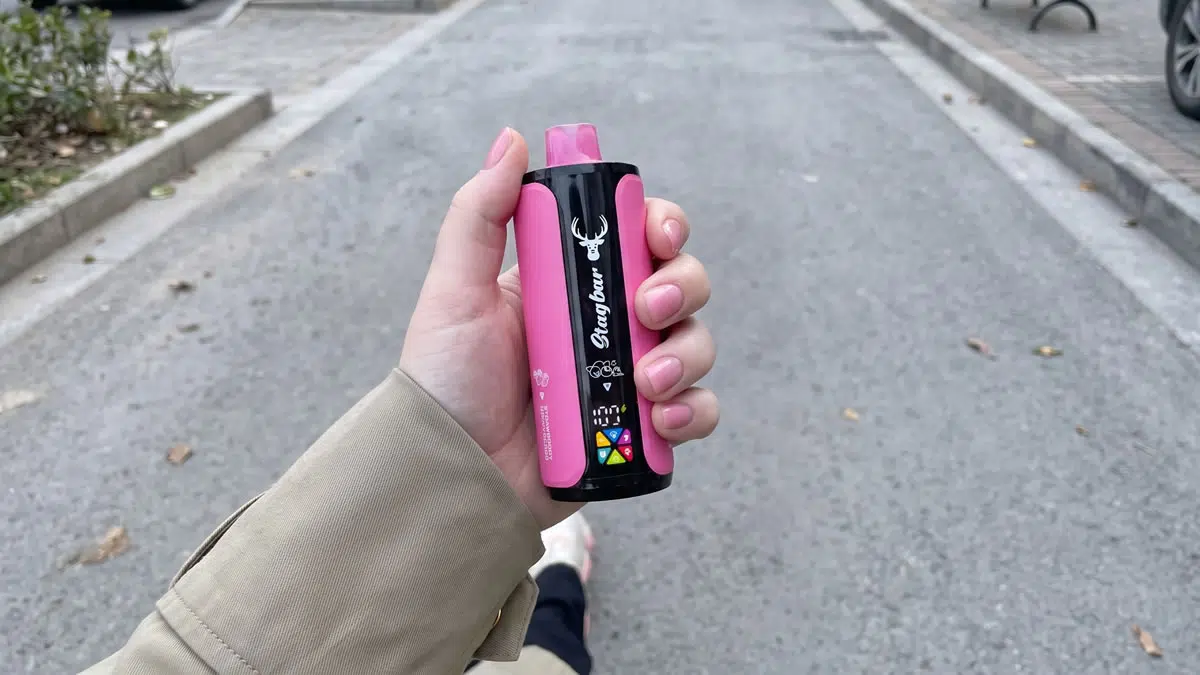
Polish small and medium-sized manufacturers have sounded the alarm over proposed excise tax amendments that they claim disproportionately penalize domestic producers while favoring multinational tobacco giants. The dispute centers on upcoming tax rate revisions set for January 2027, which diverge from the original fiscal roadmap established by the Ministry of Finance.
Industry leaders voiced their concerns during a Warsaw conference organized by the Association for the Defense of Entrepreneurs’ Rights (STOPP), titled “Excise Tax for the Chosen? Who Favors Corporations and Strikes SMEs.” Domestic manufacturers argue that the current legislative draft shifts the financial burden entirely onto Polish businesses that produce bottled e-liquids, while easing market entry for foreign corporations selling pre-filled cartridges largely manufactured in Asia.
The 52% Tax Surge on Domestically Bottled E-Liquids
Under the proposed schedule, the excise tax on e-liquids will rise from 1.44 PLN to 2.20 PLN per milliliter on January 1, 2027. This rate represents a marked departure from the previous transition plan, which projected a gradual rise to 1.80 PLN per milliliter.
Only two and a half years ago, the tax rate sat at 0.55 PLN per milliliter. The proposed change means that excise tax alone on an ordinary 10 ml bottle will reach 22 PLN, excluding standard value-added tax and base retail margins.
Krzysztof Rutkowski, an excise tax expert at KDCP Tax Law Firm, noted the operational disruption facing local firms:
“The industry was already preparing for an increase from 1.44 PLN to 1.80 PLN. Companies structured their entire business around that adjustment, including guarantee calculations, retail contracts, and raw material procurement. Suddenly, the increase will be much higher.”
Rutkowski calculated that this adjustment represents a tax jump of more than 52%. Beyond product shelf prices, the shift forces warehouse operators to drastically expand their frozen financial guarantees, tying up capital in bank or insurance deposits during a period of high financing costs.
Tax Disparity: Bottled Liquids versus Imported Pods
The primary point of contention is the structural difference between open-system bottled liquids and closed-system pre-filled pods. Current Polish regulations impose a 40 PLN per-unit excise fee on pre-filled cartridges when treated as dedicated vaping devices. The incoming proposal amends the statutory definition of an electronic cigarette to exclude cartridges, shifting taxation solely to the volume of liquid contained inside.
Because pre-filled pods contain small liquid volumes (often 2 ml or less), removing the 40 PLN unit tax reduces their total excise liability by approximately 90%. Conversely, open-system liquid manufacturers must pay 2.20 PLN per milliliter without offsetting deductions.
| Product Category | Current Tax Structure | Proposed Framework (2027) | Market Impact |
|---|---|---|---|
| Bottled E-Liquids (10 ml) | 1.44 PLN / ml (14.40 PLN / bottle) | 2.20 PLN / ml (22.00 PLN / bottle) | 52.7% tax increase on local producers |
| Pre-Filled Pods (Cartridges) | 40.00 PLN device tax + liquid tax | Liquid excise only (no device tax) | Up to 90% drop in overall tax liability |
Rutkowski summarized the regulatory divide: “We are easing conditions for global corporations while tightening the screws on domestic liquid producers. Bottled liquids represent domestic Polish capital, whereas pods are primarily sold by multinational tobacco concerns.”
Black Market Proliferation and Cross-Border Shopping
Polish entrepreneurs warn that excessive duties will drive consumers straight to illicit trade channels. Unlike fuel or alcohol, e-liquids do not require industrial distilling equipment. Raw ingredients remain accessible, making home production and unauthorized distribution difficult to police.
According to estimates presented by STOPP at the conference, the illicit share of the Polish vape market already stands at roughly 58%. Business owners cite Ministry of Finance regulatory impact assessments projecting an additional 25% drop in legal sales once the higher duties take effect.
Rutkowski estimated that actual net state gains from the liquid hike might amount to only 60 million PLN annually rather than the projected 200 million PLN, as consumers shift toward unlicensed internet vendors or cross-border purchases in neighboring countries like Germany, Czechia, and Slovakia, where lower duties prevail.
Presidential Veto Campaign and Regulatory Testing Fees
The resistance has crystallized into a formal appeal sent to the President of Poland. The petition carries signatures from 141 commercial entities representing the Polish SME sector, alongside 119,980 physical signatures and more than 4,000 digital endorsements.
The petition targets both the excise tax amendments and a separate Ministry of Health bill (Parliamentary Print No. 2362). The Health Ministry legislation proposes a mandatory testing fee of nearly 18,000 PLN per distinct product entry. For Polish manufacturers operating diverse inventories averaging 200 individual SKUs, compliance testing could demand up to 3.6 million PLN per business.
Piotr Zieliński, president of STOPP, stated that local businesses cannot sustain shifting legislative rules alongside excessive testing costs. Polish manufacturers argue that without presidential intervention, the regulatory package will dismantle domestic production networks in favor of foreign supply chains.


