New Zealand’s adult daily smoking rate fell to 5.9% in 2025/26, dropping below 6% for the first time, according to data from the latest New Zealand Health Survey. The findings represent approximately 259,000 daily smokers nationwide, down from 6.7% in the previous cycle and 9.4% five years ago.
Associate Health Minister Casey Costello reported that the data reflects 32,000 fewer smokers over the past year. Costello noted that the overall smoking rate has halved over the last six years, including among Māori populations. In addition, those who continue to smoke are consuming fewer cigarettes, averaging 8.7 per day compared to 11.2 in 2011/12.
Demographic Differences in Smoking Decline
While the national average reached historic lows, disparities across demographic groups remain a priority for health officials.
| Demographic Group | Daily Smoking Rate (2025/26) |
|---|---|
| Māori Adults | 13.9% |
| Pacific Peoples | 12.5% |
| European / Other Adults | 5.1% |
| Asian Adults | 2.8% |
| Youth (Aged 15–17) | 0.3% |
Socioeconomic gaps persist, with daily smoking rates measuring 10.5% in the most deprived areas compared to 3.0% in the least deprived neighborhoods.
Vaping Trends and Smoking Cessation
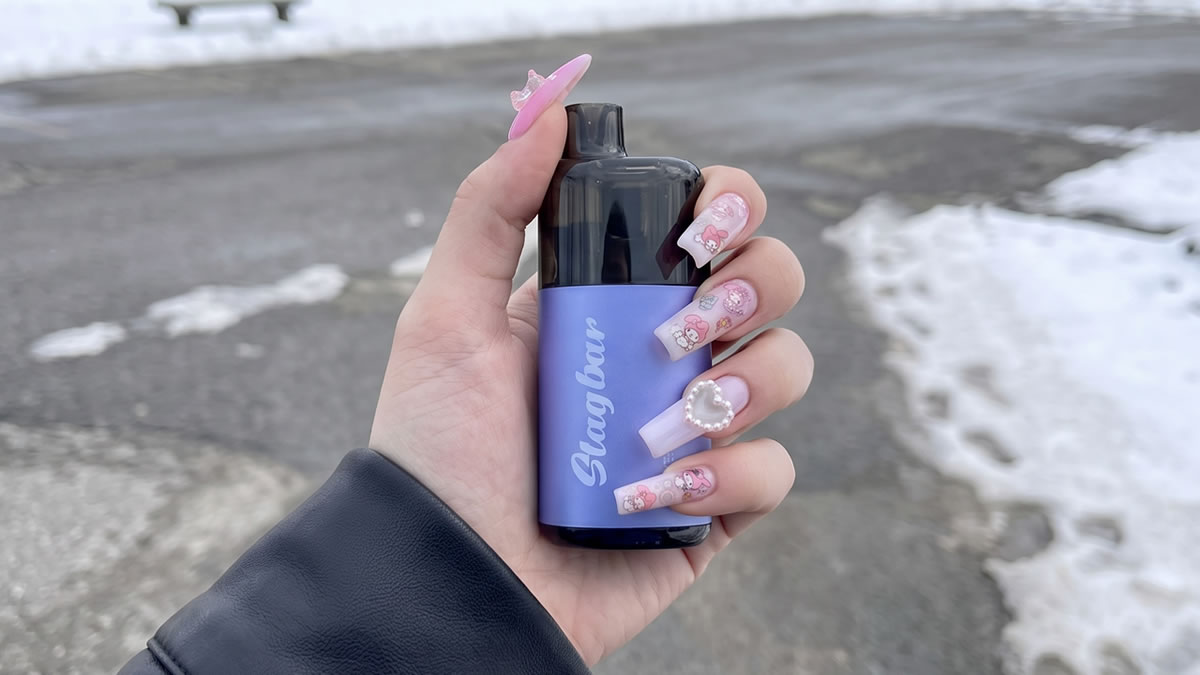
Daily vaping among adults stood at 11.2% in 2025/26, showing stabilization compared to 11.7% the prior year, though remaining higher than the 6.4% recorded five years ago. Vaping was highest among young adults aged 18 to 24 at 25.7%.
Among adults attempting to quit smoking, vaping was the most common aid used (36.5%), outpacing traditional nicotine replacement therapies (29.8%). Over half of daily vapers are former smokers, with 46.2% stating they vape to quit or reduce tobacco use, and roughly half citing lower costs compared to combustible cigarettes.
Dr. Andrew Old, Deputy Director-General of the Public Health Agency, addressed the role of alternative nicotine products:
“Vaping can be a useful tool to help adults who smoke quit, particularly when used alongside stop-smoking support. However, vaping is not harmless and is not intended for children, young people or people who do not smoke. The best health outcome is to be both smokefree and vape-free.”