Yes, vape juice expires, typically lasting one to two years from its manufacturing date due to the natural breakdown of nicotine and flavorings. While vaping expired e-liquid is not proven to be immediately toxic, it results in a harsh, peppery throat hit, muted flavors, and reduced nicotine satisfaction.
- Lifespan Window: Unopened e-liquids last 1 to 2 years, whereas opened bottles should be consumed within 3 to 6 months for optimal quality.
- Key Indicators: Expired juice displays dark brown discoloration, ingredient separation that resists shaking, a sour smell, or a thick, sludgy consistency.
- Storage Enemies: Exposure to light, heat, and air accelerates nicotine oxidation and flavor degradation.
- Disposal Rule: Avoid pouring nicotine down the drain; absorb it in cat litter or coffee grounds and discard it in household waste.
Vapers often discover forgotten bottles of e-liquid in drawers or pockets, raising immediate questions about safety and usability. Chemical analyses confirm that vape juice does expire, typically within a one-to-two-year window from production. This degradation affects flavor quality, nicotine strength, and overall vapor production, making proper storage and timely consumption essential.
This guide details the chemical processes behind e-liquid aging, how different ingredients affect shelf life, how to identify expired products, and the safest methods for storage and disposal.
The Chemistry of E-Liquid Degradation
To understand why vape juice goes bad, it is necessary to examine its four primary components: Propylene Glycol (PG), Vegetable Glycerin (VG), nicotine, and flavorings. Each ingredient reacts differently to time and environmental exposure.
Propylene Glycol (PG)
Propylene Glycol is a thin, colorless fluid that carries flavor and provides the throat hit that mimics smoking. PG is an alcohol derivative with natural antimicrobial properties. This makes it highly resistant to bacteria and fungi. Because of this chemical stability, the PG content is rarely the primary cause of e-liquid spoilage.
Vegetable Glycerin (VG)
Vegetable Glycerin is a thick, sweet liquid derived from plant oils, responsible for vapor production. While VG is stable, it lacks the antimicrobial properties of PG. Over extended periods, VG can break down, particularly when exposed to fluctuating temperatures, though it generally maintains its integrity for the standard two-year shelf life.
Nicotine
Nicotine is the most volatile ingredient in e-liquid. It is highly sensitive to oxygen, light, and heat. When exposed to these elements, nicotine undergoes oxidation—a chemical reaction that alters its molecular structure. This process changes the liquid’s color to dark brown and degrades the nicotine’s potency, resulting in a harsh, peppery taste.
Flavorings
E-liquid flavorings consist of complex organic compounds. Over time, these chemical bonds break down, causing the flavor to fade or change entirely. Simple fruit and citrus flavors tend to degrade faster due to their highly volatile nature, whereas complex tobacco and dessert profiles often last longer.
How Long Does Vape Juice Last?
The shelf life of vape juice depends heavily on whether the bottle has been opened and the type of nicotine formulation used. Nicotine salts, which contain benzoic acid to lower pH levels, are chemically more stable and resistant to oxidation than freebase nicotine.
| E-Liquid Type | Unopened Shelf Life | Opened Shelf Life |
|---|---|---|
| Zero Nicotine (0mg) | 1 to 2 Years | 6 to 12 Months |
| Freebase Nicotine | 1 to 2 Years | 3 to 6 Months |
| Nicotine Salts | 1 to 2 Years | 3 to 6 Months |
| Disposable Vapes (Sealed) | 1 to 2 Years | Use immediately after opening |
A study published in the National Library of Medicine highlights the importance of checking manufacturing dates, as product stability begins to decline immediately after bottling.

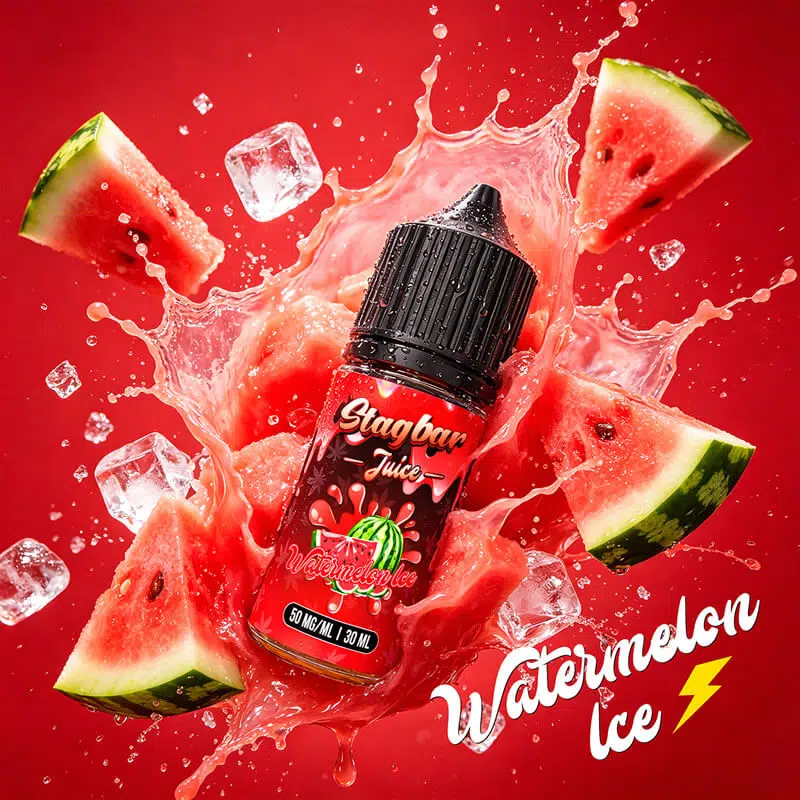
Stag Bar Ejuice
The Stagbar Ejuice comes with ultimate flavors and ultimate experiences!
- 50mg/ml
- 30ml bottle
- 50/50 PG/VG Ratio
How to Identify Expired Vape Juice
Before using an older bottle of e-liquid, perform a sensory check using the following five indicators:
- Color Changes: While minor darkening is normal during “steeping” (controlled aging for flavor development), a transition to dark brown or black indicates advanced oxidation.
- Ingredient Separation: If the heavier VG and lighter oils have separated into distinct layers and do not recombine after a vigorous shake, the chemical bonds have broken down.
- Smell: Fresh e-liquid has a distinct aroma. A musty, sour, or completely absent smell indicates the flavorings have degraded.
- Consistency: If the liquid has become unusually watery or has turned into a thick, sludgy gel, it should be discarded. Sediment at the bottom of the bottle indicates crystallized flavorings.
- Taste: Expired e-liquid will taste flat, sour, or excessively peppery due to oxidized nicotine.
Safety Risks of Vaping Expired E-Liquid
Currently, there is no clinical evidence showing that vaping expired e-liquid is directly toxic. However, the degradation of ingredients presents several quality and health concerns.
As nicotine degrades, its potency drops. This often causes users to vape more frequently to satisfy cravings, increasing their exposure to aerosols. Furthermore, in poorly formulated or unregulated e-liquids, flavor stabilizers can break down into harmful byproducts. For example, certain flavor compounds like acetoin and pentanedione can degrade over time, potentially forming trace amounts of diacetyl, a chemical linked to respiratory issues like bronchiolitis obliterans.
According to the UK Health Security Agency, regulated e-liquids must adhere to strict ingredient safety standards to prevent these risks. Under the UK’s Tobacco Products Directive (TPD), manufacturers must submit their products to the Medicines and Healthcare products Regulatory Agency (MHRA) for safety screening. However, disposable vapes manufactured outside the UK or EU may not undergo the same rigorous testing, making expired disposables a higher risk for chemical instability.
Additionally, using degraded, thick e-liquid can cause residue buildup on vape coils. This gunk burns the cotton quickly, leading to the inhalation of dry, burnt vapor containing heavy metals.
How to Store Vape Juice to Extend Its Lifespan
Environmental factors dictate how quickly e-liquid degrades. To preserve your vape juice for the maximum possible timeframe, control its exposure to light, heat, and air.
Avoid Light and Heat
UV rays and high temperatures accelerate chemical reactions, causing nicotine to oxidize rapidly. Store your bottles in a dark, temperature-controlled environment, such as a cupboard or drawer. Avoid windowsills, radiators, or leaving e-liquids in a hot car.
Limit Air Exposure
Oxygen is the primary driver of oxidation. Always keep bottle caps screwed on tightly. If you have a large bottle (e.g., 120ml) that is mostly empty, the large pocket of air inside will speed up degradation. Transferring the remaining liquid to a smaller, airtight bottle will reduce oxygen contact.
Refrigeration and Freezing
Storing bulk e-liquid in a refrigerator or freezer slows down the degradation process. A study on storage conditions confirms that low temperatures preserve chemical stability. However, cold temperatures make VG highly viscous and can cause certain flavorings to crystallize. If you store e-liquid in cold storage, always allow it to reach room temperature and shake it thoroughly before use.
Safety Warning: Only store e-liquids in a refrigerator or freezer if your household contains no children or pets, as nicotine is highly toxic if ingested.
Responsible Disposal of Expired Vape Juice and Devices
Nicotine is classified as a hazardous substance that can contaminate water systems and harm wildlife. Disposing of e-liquids and hardware requires specific steps.
Disposing of E-Liquid
Never pour expired vape juice down the sink, drain, or toilet. Instead, pour the liquid into a bag filled with an absorbent material such as cat litter, coffee grounds, or sawdust. Once the liquid is fully absorbed, seal the bag and place it in your regular household trash. Rinse the empty plastic or glass bottle thoroughly before placing it in a recycling bin.
Disposing of Disposable Vapes
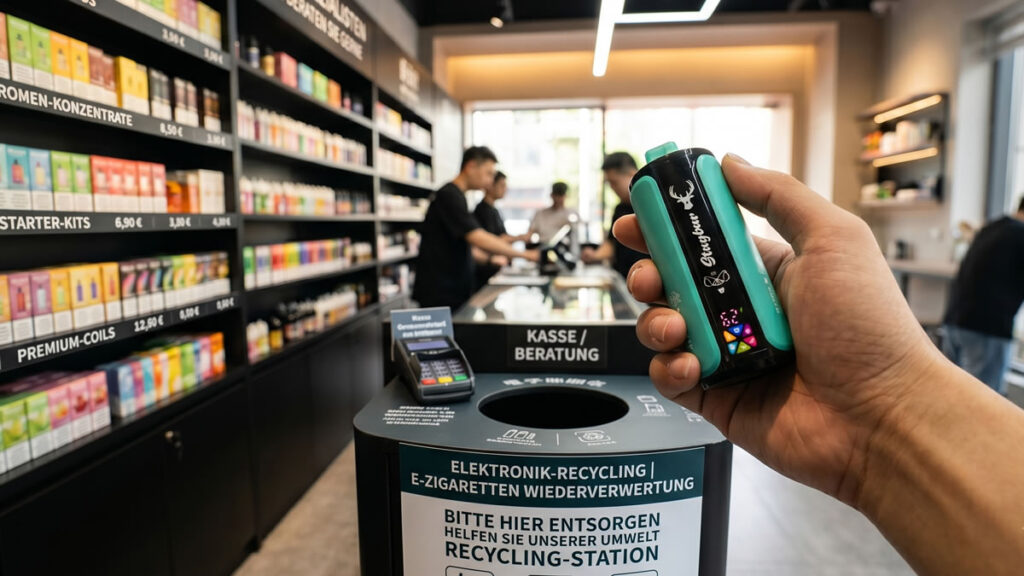
Disposable vapes contain lithium-ion batteries and electronic circuitry, making them hazardous electronic waste. Do not throw them in standard household trash. Under the Waste Electrical and Electronic Equipment (WEEE) directive, consumers should take used or expired disposable vapes to designated recycling centers or return them to retail shops that offer recycling collection points.
Frequently Asked Questions
-
Can vaping expired e-liquid make you sick?
Vaping expired e-liquid is unlikely to cause severe illness, but it can cause throat irritation, coughing, or mild nausea due to the harshness of oxidized nicotine and degraded flavorings.
-
Why does my old vape juice taste like black pepper?
A distinct peppery taste is the classic sign of nicotine oxidation. As nicotine reacts with oxygen, light, or heat, it breaks down chemically, losing its potency and developing a harsh, peppery flavor.
-
Can I store my vape juice in the freezer?
Yes. Freezing slows down the oxidation of nicotine and flavor degradation. Because of the PG and VG content, e-liquid will not freeze solid but will become very thick. Allow it to warm to room temperature and shake it well before use.
-
Does nicotine-free vape juice last longer than nic salts?
Yes. Since nicotine is the most volatile ingredient in e-liquid, nicotine-free (0mg) vape juice is not subject to nicotine oxidation and generally maintains its quality longer than liquids containing nicotine.
-
How do I find the expiration date on my e-liquid bottle?
Manufacturers typically print a “Best By” or “EXP” date on the bottom or side of the bottle label. If only a manufacture date (MFG) is visible, you can estimate a shelf life of two years from that date, provided it is stored correctly.
Disclaimer: The information provided in this article is for educational purposes only and does not constitute medical advice. Vaping products contain nicotine, an addictive chemical. If you experience respiratory issues, nausea, or other health concerns, discontinue use immediately and consult a healthcare professional.


