E-cigarette markets in Germany and Switzerland are shaped by distinct regulatory frameworks. While Germany aligns with EU TPD2 directives and imposes rising liquid taxes, Switzerland operates under its own TabPG law, offering different product varieties and lower tax rates. Consumers in 2026 must navigate these regional differences alongside evolving hardware generations.
- Regulatory Divergence: Germany follows EU TPD2 limits (2ml tanks, 10ml refills), while Switzerland’s TabPG allows unique product variations.
- Taxation Gap: Germany’s liquid tax will reach €0.26 per milliliter by 2026, whereas Switzerland does not levy a comparable consumption tax.
- Hardware Shift: Closed pod systems dominate the market due to low maintenance, replacing older open-system mods and controversial disposable vapes.
- Health Assessments: Health authorities view vaping as less harmful than smoking, though long-term data remains limited.
The DACH region’s e-cigarette market has transitioned from a niche hobby into a regulated industry. By 2026, consumers in Germany and Switzerland face diverging laws, tax rates, and product options, making informed purchasing decisions essential for both new switchers and experienced vapers.
Navigating Vaping Laws in Germany and Switzerland
Germany regulates e-cigarettes via the Tabakerzeugnisgesetz, which implements the EU’s Tobacco Products Directive (TPD2). This law limits nicotine concentrations to 20 mg/ml, tank volumes to 2 ml, and refill bottles to 10 ml. Manufacturers must also register products six months before retail launch.
Switzerland, operating outside the EU, introduced its Tobacco Products Act (TabPG) in October 2024. While it shares the 20 mg/ml nicotine limit and bans sales to minors, it permits flavor profiles and product variations banned in Germany. This regulatory gap allows Swiss retailers to offer a broader catalog.
| Country | Primary Regulation | Nicotine Limit | Liquid Tax (by 2026) | Product Variety |
|---|---|---|---|---|
| Germany | Tabakerzeugnisgesetz (EU TPD2) | 20 mg/ml | €0.26 per ml | Strictly limited by EU registration rules |
| Switzerland | Tabakproduktegesetz (TabPG) | 20 mg/ml | None (No consumption tax on liquids) | Broader flavor and product options |
Understanding the Four Generations of Vaping Devices
Vaping hardware has evolved through four distinct phases. First-generation cig-a-likes mimicked traditional cigarettes but lacked battery capacity. Second-generation tank systems introduced replaceable coils, while third-generation mods offered adjustable wattage for hobbyists.
The fourth generation features closed pod systems. These devices use pre-filled, sealed cartridges to prevent leaks and simplify operation. Consumers looking for these systems can browse regional selections through Swiss platforms like Stag Bar to compare options that may not be available in Germany due to registration differences.
Meanwhile, disposable vapes face intense scrutiny due to environmental waste from built-in lithium-ion batteries. France banned them in 2025, and similar bans are under discussion in Germany and Switzerland.

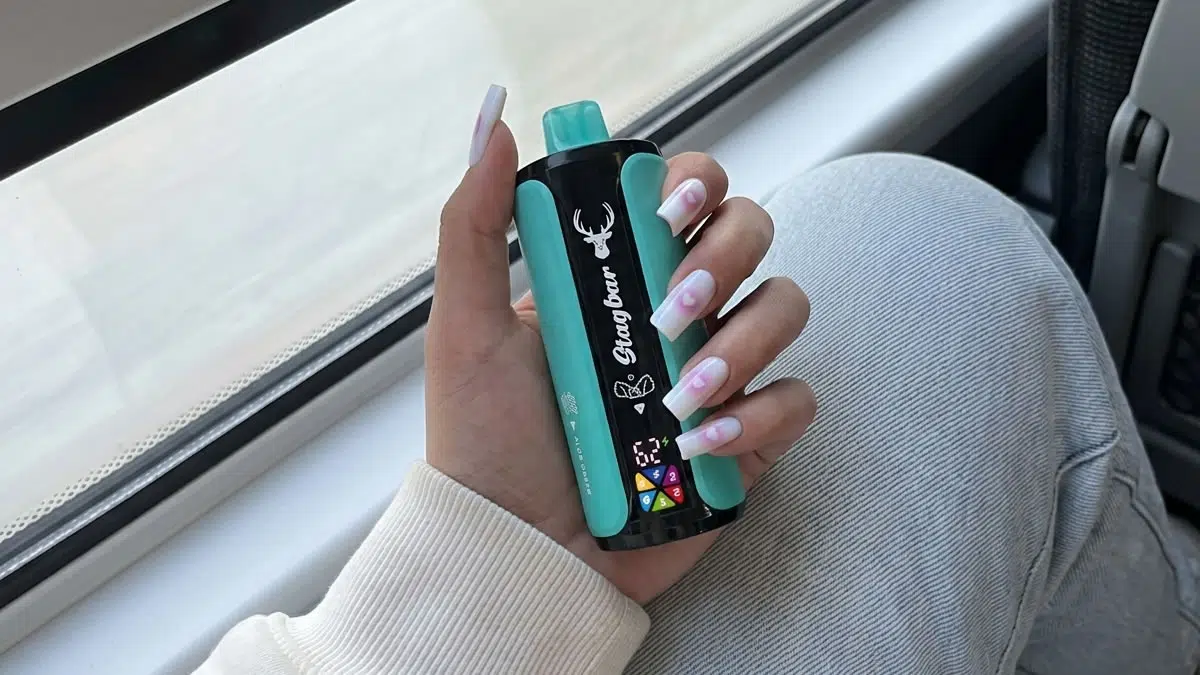
StagBar Vape 4in1 80K Puffs Disposable
The Stagbar 4-in-1 80,000 is a revolutionary high-capacity disposable featuring 4 flavors and 4 independent mesh coils in one device, delivering an industry-leading 80,000 puffs.
Analyzing Ingredients and Health Evaluations
E-liquids contain propylene glycol, vegetable glycerin, flavorings, and optional nicotine. Nicotine salts are widely used in pod systems because they provide a smoother throat hit at higher concentrations compared to freebase nicotine.
The German Federal Institute for Risk Assessment (BfR) views e-cigarettes as less harmful than combustible tobacco because they do not burn material, eliminating tar and carbon monoxide. A 2024 Cochrane review confirmed that nicotine-containing e-cigarettes help smokers quit, though long-term data remains scarce.
Essential Buying Criteria for DACH Consumers
When purchasing a device, buyers should evaluate battery capacity (mAh), cartridge compatibility, and local spare part availability. Price differences are driven by taxation. Germany’s liquid tax will rise to €0.26 per milliliter by 2026. Switzerland has no such tax, making net prices lower. Cross-border shoppers must respect the €300 duty-free limit when bringing goods from Switzerland into Germany.
For those transitioning from tobacco, health agencies recommend gradually reducing nicotine levels and tracking usage with a consumption diary to monitor daily puffs and triggers.


