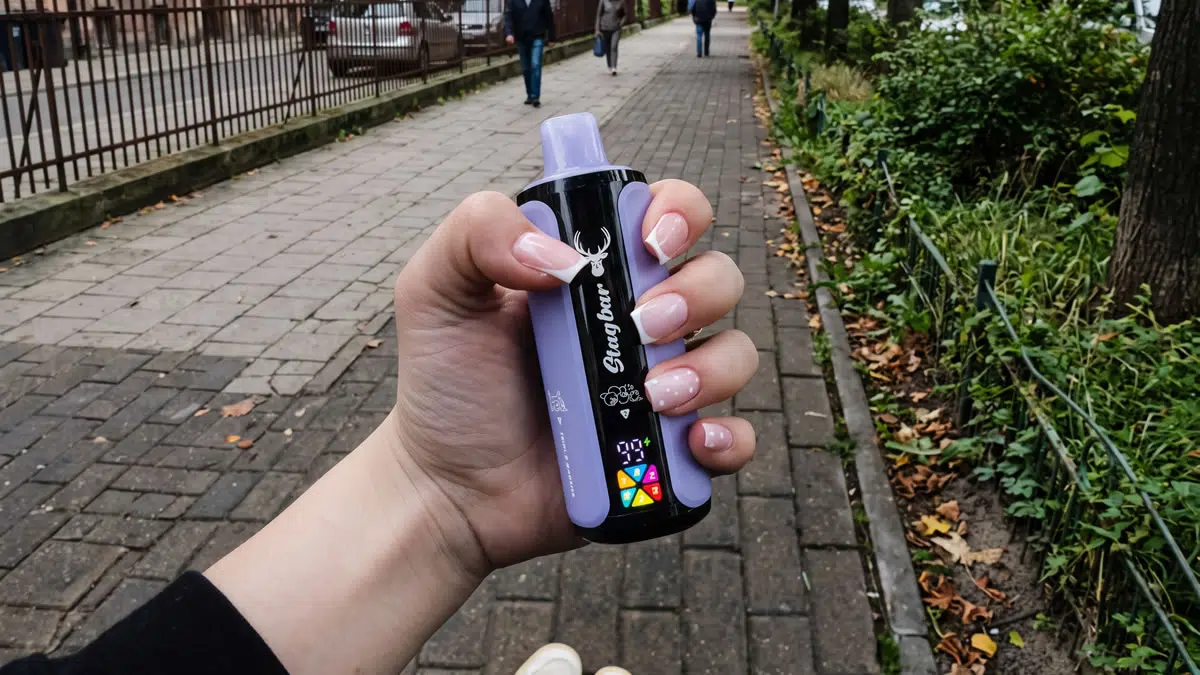
Starting a vape business in Poland requires establishing a limited liability company (Sp. z o.o.), securing excise tax registrations, and adhering to a strict ban on direct-to-consumer (B2C) online sales. Operators must navigate mandatory six-month EU-CEG product notifications, heavy excise duties on both liquids and devices, and strict brick-and-mortar retail verification protocols.
- Strict Retail Model: Poland bans all online and distance sales of vaping products to end-consumers; retail is restricted entirely to physical storefronts.
- Excise Tax Burden: The state levies an excise tax of 1.44 PLN per milliliter on all e-liquids (nicotine and nicotine-free) alongside a flat duty of 40 to 50 PLN per device.
- TPD and EU-CEG Rules: Importers must notify products through the EU Common Entry Gate six months prior to sale, observing a 2 mL tank cap and a 20 mg/mL nicotine ceiling.
- B2B Digital Exemption: Online sales are legal only between verified corporate entities (B2B) through restricted portals requiring tax identification (NIP) verification.
Poland enforces some of the most rigorous tobacco control and tax frameworks in the European Union. Entrepreneurs looking to enter the Polish vape industry face an operational landscape shaped by strict public health laws, high excise duties, and an absolute prohibition on consumer e-commerce. Success in this market requires precise structural planning across corporate registration, fiscal warehousing, and regulatory compliance.
While consumer demand for alternative nicotine delivery systems remains steady, the Polish legal framework leaves no margin for informal operations. Every commercial participant – from independent retail storefronts to large-scale wholesale importers – operates under constant oversight from the National Revenue Administration (Krajowa Administracja Skarbowa) and the State Sanitary Inspection (Główny Inspektorat Sanitarny).
Corporate Registration and Legal Setup
Operating a vape enterprise requires a corporate structure that insulates founders from personal tax liabilities. Because vape products carry extensive excise obligations and product compliance risks, registering as an individual sole proprietorship (Jednoosobowa Działalność Gospodarcza) exposes personal assets to excessive financial risk.
The standard operational vehicle for commercial operators is a Polish Limited Liability Company (Spółka z ograniczoną odpowiedzialnością, or Sp. z o.o.). Business owners can execute incorporation online via the Ministry of Justice’s S24 portal or review statutory requirements through Biznes.gov.pl. Detailed procedures for foreign investors are also outlined by the Polish Investment and Trade Agency on Trade.gov.pl.
While the statutory minimum share capital for a Polish Sp. z o.o. is 5,000 PLN, international founders often deposit between 20,000 PLN and 50,000 PLN. Commercial banks and customs agencies conduct heightened anti-money laundering and risk assessments on nicotine-related business applications, making a higher capitalization practical for securing corporate accounts.
During the corporate formation process, founders must declare specific Polish Classification of Activity (PKD) codes:
- 47.78.Z: Other retail sale in specialized stores (Mandatory for physical vape shops).
- 46.39.Z: Non-specialized wholesale of food, beverages, and tobacco (Required for B2B distribution).
- 47.91.Z: Retail sale via mail order houses or the internet (Required to operate web infrastructure, strictly applied to B2B portals).
The Ban on Consumer E-Commerce and Digital Sales
The primary barrier for new market entrants is the Polish Tobacco and Vaping Products Act, which prohibits the distance selling of electronic cigarettes and refill containers to the general public. This restriction eliminates domestic consumer websites, app-based ordering, and cross-border deliveries to individuals.
The Retail Red Line: Brick-and-Mortar Exclusivity
In Poland, commercial sales of vaping products to end-users can take place only through face-to-face transactions in physical retail storefronts. Vending machines, automated kiosks, and home parcel drop-offs are completely illegal. Any cross-border shipment originating outside Poland and addressed to an individual consumer inside Poland is subject to immediate confiscation by customs, accompanied by administrative proceedings against the importer.
Operating a Compliant Closed B2B Portal
While consumer e-commerce is banned, wholesale digital commerce remains permitted between registered businesses. Wholesale distributors and importers routinely operate digital procurement portals under strict access restrictions:
- Access Gateways: The public homepage must not display product images, brand catalogs, or prices. It must consist solely of an informational landing page and a secure login portal.
- NIP and VAT Authentication: Prospective buyers must submit an active Polish Tax Identification Number (NIP) or a valid EU VAT number during registration.
- Manual Verification: Platform administrators must verify that the applicant is an active commercial entity registered under relevant retail or wholesale PKD codes using the Polish CEIDG or KRS public databases before granting catalog access.
- Dedicated B2B Logistics: Wholesale deliveries cannot use automated parcel lockers or standard consumer couriers. Shipments must travel via corporate freight accompanied by formal Business Delivery Notes (dokument WZ).
The Legal Risk of Social Media Reselling
Informal secondary markets on social platforms – such as peer-to-peer sales via Facebook groups, Telegram channels, or personal accounts – are strictly illegal in Poland. Operating an unverified sales channel violates the distance-sales prohibition, evades statutory retail cash-register requirements, and constitutes a criminal tax violation under the Polish Fiscal Penal Code for trading unstamped excise goods. Penalties include substantial state fines and criminal prosecution.
Excise Duties, Tax Stamps, and Fiscal Warehousing
Excise taxation represents the highest ongoing operational cost for Polish vape enterprises. Poland applies excise duties to all e-liquids – regardless of whether they contain nicotine – as well as to physical vaping hardware.
| Regulated Item | Polish Excise Rate | Compliance and Operational Requirements |
|---|---|---|
| E-Liquids (Nicotine) | 1.44 PLN per milliliter | Applies to pre-filled pods and 10 mL bottles; requires physical paper tax stamps (banderole). |
| E-Liquids (Zero-Nicotine) | 1.44 PLN per milliliter | Includes shortfills, longfills, and flavor shots; identical tax and stamp requirements as nicotine liquids. |
| Vaping Hardware & Devices | 40 to 50 PLN flat per unit | Levied on reusable pod systems, mods, starter kits, and single-use disposable devices. |
| Point of Sale (B2C) | Standard 23% VAT applied after excise | Must use an online cash register (Kasa Fiskalna Online) linked continuously to tax authorities. |
Excise Registration and Warehouse Mechanics
Before importing or stocking inventory, companies must register with the Central Register of Excise Entities (CRPA) via the government’s electronic PUESC portal. Because excise duty creates high upfront costs, wholesale operators use an authorized Excise Warehouse (Skład Podatkowy).
Under an excise suspension arrangement, imported goods enter the registered warehouse without immediate payment of duty. The tax liability is triggered only when products leave the warehouse for domestic distribution. Establishing an independent excise warehouse requires substantial financial collateral in the form of a bank guarantee or cash deposit. Consequently, early-stage distributors typically lease space within existing, third-party licensed excise logistics facilities.
Mandatory Physical Tax Stamps (Banderole)
Every individual container of e-liquid, pre-filled pod, and hardware kit must bear an official paper excise stamp (banderola) before it can enter Polish retail channels. Business operators must order these tax stamps in advance from the regional tax office. The stamps are either shipped to the overseas manufacturer to be affixed during packaging or applied manually inside an authorized Polish excise warehouse prior to customs clearance.

StagBar Vape 4in1 80K Puffs Disposable
The Stagbar 4-in-1 80,000 is a revolutionary high-capacity disposable featuring 4 flavors and 4 independent mesh coils in one device, delivering an industry-leading 80,000 puffs.
Product Compliance: TPD and EU-CEG Notifications
Poland enforces the European Union Tobacco Products Directive (Directive 2014/40/EU) through domestic public health legislation. Manufacturers and importers who introduce products under their own brand names carry the statutory responsibilities of a primary distributor.
The Six-Month Notification Rule
Every electronic cigarette model, refill cartridge, and e-liquid formulation must be submitted to the EU Common Entry Gate (EU-CEG) and registered with the Polish Bureau for Chemical Substances (Biuro do spraw Substancji Chemicznych). Submissions must occur at least six months before the product is offered for commercial sale. The documentation must include toxicological data, emissions analysis, electrical safety certificates, and a full disclosure of ingredients.
Statutory Product Specifications
All vaping products distributed in Poland must meet strict technical limitations:
- Tank Capacity: Tanks, integrated pods, and cartridges must not exceed a maximum capacity of 2 mL.
- Nicotine Strength: Finished e-liquids containing nicotine cannot exceed 20 mg/mL.
- Bottle Volume: Nicotine-containing refill containers sold separately are restricted to a maximum size of 10 mL.
- Chemical Treatment Parity: Polish law treats zero-nicotine liquids under the same administrative umbrella as nicotine-containing products. Importers must supply complete Safety Data Sheets (SDS) and notify formulations accordingly.
Packaging, Labeling, and Advertising Prohibitions
Marketing regulations in Poland impose an absolute blackout on public promotion. Vaping brands cannot advertise on television, radio, print media, public transit, or domestic online channels. Sponsoring public gatherings, sporting matches, or youth-oriented events is illegal.
Product packaging must be printed entirely in the Polish language, listing all chemical ingredients, toxicological warnings, and batch traceability numbers. Nicotine-containing items must display an official health warning covering at least 30% of the two largest surfaces of the outer packaging, reading: “Wyrób zawiera nikotynę, która powoduje szybkie uzależnienie.” (This product contains nicotine, which is a highly addictive substance).
Physical Store Standards and National E-Invoicing (KSeF)
Operating a compliant business model in Poland requires establishing specific retail infrastructure and integrating specialized accounting systems.
Physical Retail Environment
Physical stores must adhere to strict public-exposure boundaries. Retail premises must not display outward-facing product graphics, illuminated branding, or neon signs visible to pedestrian traffic. Store displays must be arranged so that minors outside cannot view internal inventory, leading many shop owners to use frosted window glass or position display cases deep within the premises.
Sales staff must enforce the statutory purchase age of 18 by checking valid government-issued photographic identification for any customer appearing under the age of 26. Point-of-sale registers must use an online fiscal cash register (Kasa Fiskalna Online), which automatically transmits transactional receipt data to the National Revenue Administration (KAS) central database.
Wholesale Accounting: The KSeF Mandate
B2B wholesale distributors are prohibited from using simple PDF invoicing. Poland mandates participation in the National e-Invoice System (Krajowy System e-Faktur, or KSeF). Wholesale invoices must be formatted in structured FA_XML files and routed directly through the Ministry of Finance’s platform.
The electronic invoice becomes valid only after the central system validates the structured file and assigns an official KSeF reference number. In addition, wholesale billing must explicitly state that domestic excise duties were settled upon the goods’ release from the excise warehouse, providing retail clients with documented proof of compliance during municipal tax inspections.
Market Trends and the Disposable Vape Transition
Poland’s vaping market represents over $310 million in economic activity, with stable demand across various demographics. However, the legal and fiscal framework is shifting market demand toward specific hardware formats.
The Status of the Disposable Vape Ban
The Polish government has processed draft legislation through the Sejm designed to prohibit the sale of single-use disposable electronic cigarettes, regardless of nicotine content. This initiative targets youth access and plastic battery waste. Importers and wholesalers are winding down capital exposure to single-use stock in anticipation of final regulatory phases.
The Economics of Reusable Pod Systems
The Polish tax structure heavily incentivizes multi-use hardware. Because the flat device excise tax adds 40 to 50 PLN to any physical vaporization unit, single-use disposables face unsustainably high retail price points compared to rechargeable hardware. Consumers increasingly purchase open, refillable pod systems, where the device cost is amortized over months of use, leaving the customer to purchase only the recurring 10 mL stamped e-liquid bottles.
For independent resellers and enterprise wholesalers seeking stable, compliant inventory lines, brands like Stag Bar provide structured hardware and liquid programs tailored to European market standards. Partnering with established brands offering pre-notified EU-CEG credentials, compliant Polish banderole placement, and predictable supply chains reduces regulatory exposure during regional tax inspections.

StagBar Vape 6in1 180K Puffs Disposable
The Stagbar 6-in-1 featuring a unique 6-flavor system and six independent mesh coils, this device allows users to switch between six distinct tastes in one sleek unit, delivering an unprecedented 180,000 puffs.
Frequently Asked Questions (FAQ)
-
Can an international founder launch an online vape shop selling to Polish consumers?
No. Direct-to-consumer online sales of electronic cigarettes and e-liquids are banned in Poland. Cross-border distance deliveries to individual consumers are illegal under Polish public health statutes. International businesses can only operate verified B2B wholesale portals selling to licensed Polish commercial entities.
-
Are zero-nicotine e-liquids exempt from excise taxes and EU-CEG rules in Poland?
No. Poland’s excise legislation explicitly includes all vaping liquids, regardless of nicotine presence. Nicotine-free shortfills, longfills, and flavor shots carry an excise duty of 1.44 PLN per milliliter, require physical tax stamps (banderole), and must be registered via the EU-CEG reporting system.
-
What is the minimum capital required to set up an excise warehouse in Poland?
While company registration requires 5,000 PLN, setting up an independent excise warehouse requires substantial financial collateral. Polish tax authorities determine bank or cash security requirements on an individual basis, often reaching hundreds of thousands of zlotys depending on projected inventory volume. Most new entrants use licensed third-party logistics warehouses to manage excise suspension.
-
What happens if a retailer sells vapes to an individual under 18?
Selling to minors constitutes a major administrative and legal offense in Poland. The retail establishment faces steep fiscal fines, potential revocation of municipal business permits, and immediate operational scrutiny from the State Sanitary Inspection (GIS).
-
How does Poland monitor B2B vape wholesale transactions?
Poland monitors wholesale trade using two synchronized digital mechanisms: the Central Register of Excise Entities (CRPA) for tracking moving inventory, and the National e-Invoice System (KSeF), which requires all corporate wholesale invoices to be cleared through the Ministry of Finance in a structured XML format.
Disclaimer: The regulatory information in this document is provided for operational and educational purposes only and does not constitute formal legal, financial, or tax counsel. Polish and European Union tobacco and excise laws are subject to legislative adjustments, judicial interpretations, and administrative enforcement changes. Business operators should consult a licensed Polish legal attorney and an accredited tax advisor before committing capital to inventory, leases, or corporate registrations. Vaping products contain nicotine, a highly addictive chemical substance, and are strictly restricted to verified adults aged 18 and older.


