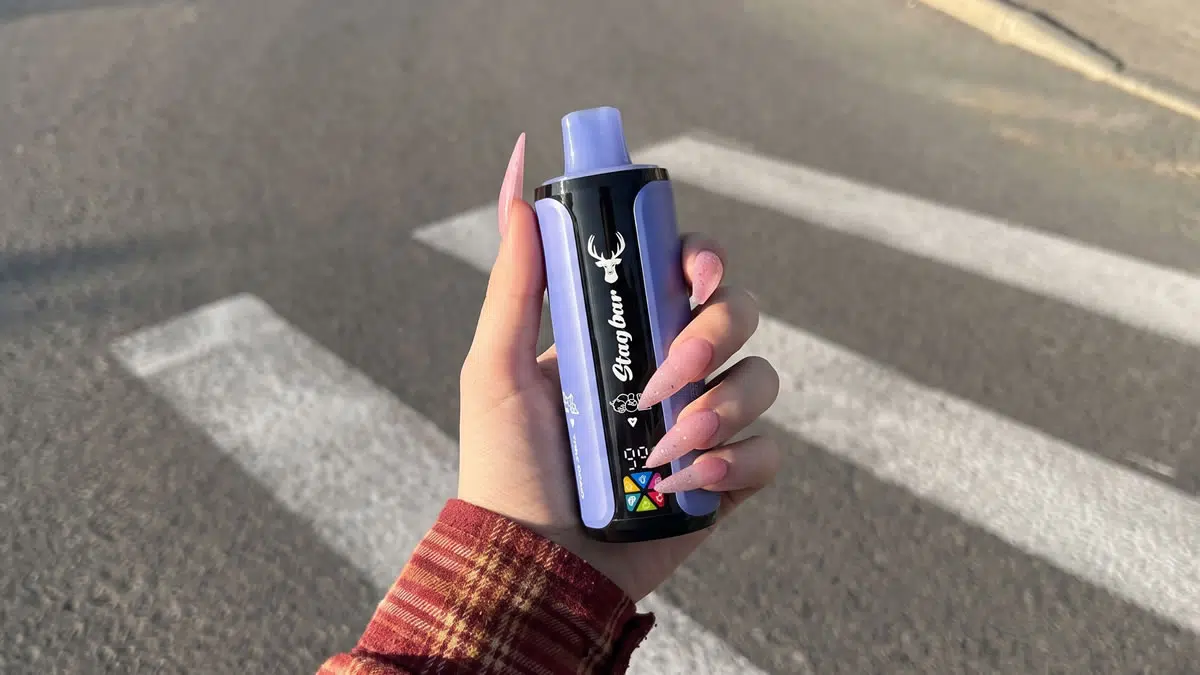
Stepping down to low-nicotine vaping succeeds when users reduce e-liquid concentration by one standard level at a time, holding each strength for 1 to 2 weeks until mood, sleep, and cravings stabilize. Pairing lower strengths with higher Propylene Glycol (PG) blends in mouth-to-lung (MTL) devices preserves throat hit, while behavioral spacing and Nicotine Replacement Therapy (NRT) prevent smoking relapse.
- Match Starting Strength: Base your initial e-liquid dose (3mg/ml to 20mg/ml) on daily cigarette consumption before transitioning.
- Single-Step Drops: Reduce nicotine one commercial tier at a time (e.g., 20mg to 18mg, then 12mg, 6mg, 3mg, and 0mg) to isolate withdrawal episodes.
- Stabilization Window: Maintain each new nicotine concentration for at least 7 to 14 days—or up to a month—before attempting another drop.
- Sensory Compensation: Increase PG ratios and use tighter-draw MTL hardware to replicate cigarette throat hit at lower nicotine levels.
- Relapse Safety Net: Step back up to your previous strength temporarily or add fast-acting NRT if acute urges threaten a return to combustible tobacco.
Adult vapers can reduce nicotine dependence systematically because e-liquid bottles display exact concentrations in milligrams per millilitre (mg/ml). Unlike combustible cigarettes, which deliver fixed nicotine doses per stick, refillable vape kits allow gradual titration from 20mg/ml down to 0mg/ml, an approach recommended by the UK National Health Service (NHS)) to minimize withdrawal distress and prevent smoking relapse.
Lowering the number on the bottle takes seconds, yet physiological adjustment begins hours later when nicotinic receptors register a smaller dose. Without a structured pacing strategy, vapers frequently experience compensatory puffing, flat flavor satisfaction, or sudden urges to smoke.
Step 1: Calibrate Your Starting Strength and Reduction Ladder
A sustainable nicotine step-down begins at a baseline concentration that fully satisfies existing nicotine dependence. Starting too low triggers immediate cravings and increases the risk of dual use with traditional cigarettes, whereas matching initial e-liquid strength to prior smoking habits stabilizes blood nicotine levels from day one.
| Prior Daily Cigarette Consumption | Recommended Starting E-Liquid Strength | Typical Formulation Type |
|---|---|---|
| More than 20 cigarettes per day (Heavy) | 18mg/ml to 20mg/ml | Nicotine Salt or High-PG Freebase |
| 10 to 20 cigarettes per day (Moderate) | 12mg/ml | 50/50 PG/VG Freebase or Nicotine Salt |
| Fewer than 10 cigarettes per day (Light) | 6mg/ml | 50/50 PG/VG Freebase |
| Occasional or social smoking | 3mg/ml | 50/50 or High-VG Freebase |
Once your baseline is established, execute the reduction across four distinct phases rather than skipping multiple tiers:
- Execute a Gentle First Drop: Move down by a single commercial increment—from 20mg/ml to 18mg/ml, or from 18mg/ml to 12mg/ml—so neurochemical adaptation remains mild.
- Progress Through Intermediate Tiers: Continue stepping down one bottle strength at a time (12mg/ml to 6mg/ml, then 6mg/ml to 3mg/ml) only after physical cravings subside.
- Navigate the Light-Dose Phase: At 3mg/ml or lower, physical dependence diminishes while behavioral cues (coffee breaks, driving, stress) drive most urges. Focus on breaking environmental habits during this stage.
- Transition to 0mg/ml Nicotine-Free Liquid: Switching from 3mg/ml to 0mg/ml eliminates the final trace of nicotine. Expect this step to feel more noticeable than earlier drops, even though the numerical change appears small.
Why Gradual Titration Outperforms Abrupt Cessation
Abruptly stopping nicotine deprives brain receptors of stimulation all at once, triggering intense physiological withdrawal. According to clinical guidance from the NHS Better Health program), acute nicotine withdrawal produces five primary symptoms:
- Intense Urges: Persistent cravings to smoke combustible cigarettes or vape high-strength liquid.
- Mood Disturbances: Heightened irritability, restlessness, anxiety, or low mood.
- Cognitive Friction: Difficulty concentrating on work or routine tasks.
- Appetite Shifts: Feeling noticeably hungrier than usual as metabolism adjusts.
- Sleep Disruption: Trouble falling asleep or waking frequently during the night.
Dividing the reduction into single-tier drops breaks withdrawal into brief, isolated episodes. Vapers can recognize mild symptoms early and adjust pacing before daily productivity or mood deteriorates.
Step 2: Hold Each Nicotine Level Until Stabilization
Every reduction requires a stabilization window of 1 to 2 weeks—or longer—before the next drop. Rushing from 18mg/ml to 6mg/ml within a single week leaves receptors unadjusted and almost always triggers relapse.
Monitor objective physical and behavioral markers rather than following a rigid calendar. Spending four weeks at a single concentration still represents forward progress if it keeps you completely away from combustible tobacco.
| Readiness Indicators (Safe to Step Down) | Over-Reduction Warning Signs (Hold or Step Back) |
|---|---|
| Vaping frequency remains identical to your previous baseline. | Compensatory puffing (taking longer, deeper, or more frequent draws). |
| Cravings feel mild, predictable, and fade within minutes. | Strong, recurring urges that disrupt focus throughout the day. |
| The lighter throat sensation no longer feels unsatisfying. | Persistent thoughts about buying or smoking combustible cigarettes. |
| Sleep quality, appetite, and daily mood remain steady. | Ongoing irritability, restlessness, or sleep disruption lasting over a week. |
Step 3: Optimize PG/VG Ratios and Hardware for Throat Hit
A lower nicotine strength often fails not because of chemical withdrawal, but because each inhalation feels airy or flat. Nicotine contributes directly to “throat hit”—the distinct catch at the back of the throat that mimics cigarette smoke.
Adjusting e-liquid base ratios and device airflow restores sensory satisfaction without increasing nicotine intake:
- Increase Propylene Glycol (PG) Ratio: E-liquids combine PG and Vegetable Glycerine (VG). PG carries flavor compounds and generates throat hit, whereas VG produces dense vapor clouds and a smoother inhale. Switching from a 70VG/30PG blend to a 50PG/50VG or 60PG/40VG formulation sharpens throat sensation at 6mg/ml or 3mg/ml.
- Switch from Nicotine Salts to Freebase Nicotine: Nicotine salts use benzoic acid to lower pH levels, creating a smooth inhale even at 20mg/ml. At 6mg/ml or 3mg/ml, traditional freebase nicotine delivers a crisper, more noticeable throat hit.
- Pair with Mouth-to-Lung (MTL) Hardware: Research in the Nicotine Vaping in England Evidence Update), commissioned by the Office for Health Improvement and Disparities, confirms that nicotine delivery and dependence depend jointly on device architecture and e-liquid concentration. Tight-draw MTL pod systems restrict airflow so vapor collects in the mouth before inhalation, replicating cigarette mechanics and maximizing throat hit at low strengths.
Apply the Temporary Step-Back Safety Net
If a strength drop triggers severe cravings that threaten a return to smoking, revert to your previous e-liquid concentration for 3 to 7 days. Stepping back temporarily is a controlled tactical pause rather than a failure. Once urges subside, reattempt the lower dose alongside a higher-PG blend or tighter MTL coil.
Step 4: Break Behavioral Triggers Between Vaping Sessions
Lower nicotine concentrations address chemical dependence, yet habitual hand-to-mouth routines keep psychological cravings active. Combining dose reduction with behavioral adjustments weakens conditioned triggers:
- Extend Session Intervals: Avoid unconscious chain-vaping. If you typically vape every 20 minutes, deliberately stretch intervals to 40 minutes for one week before extending to 60 minutes. Longer breaks reduce total daily nicotine intake automatically.
- Establish Vape-Free Zones: High-association environments—such as a car, home office desk, or outdoor break area—trigger automatic cravings. Designate specific rooms or vehicles as vape-free, and store your device inside a drawer or bag rather than within arm’s reach.
- Use the 15-Minute Sensory Distraction Rule: Acute cravings peak and subside like waves within 10 to 15 minutes. Occupy your hands and mouth with sugar-free gum, cold water, crunchy snacks, or a stress ball until the urge passes.
- Combine with Fast-Acting NRT: When sudden urges feel overwhelming during a step-down, pairing low-nicotine vaping with Nicotine Replacement Therapy (NRT))—such as 2mg nicotine gum, lozenges, or mouth spray—delivers targeted relief without derailing your primary e-liquid reduction schedule.
Frequently Asked Questions
-
How long does it take to step down from 20mg to 0mg vape juice?
Stepping down safely from 20mg/ml to 0mg/ml typically takes 6 to 12 weeks. Following standard tiers (20mg, 18mg, 12mg, 6mg, 3mg, and 0mg) and holding each concentration for 1 to 2 weeks allows brain receptors to adjust gradually without severe withdrawal.
-
Why does 3mg vape juice feel weaker even when cravings are mild?
Nicotine directly creates the physical catch at the back of the throat known as throat hit. Dropping to 3mg/ml reduces that sensation, making vapor feel airy. Switching to a higher Propylene Glycol (PG) ratio, freebase nicotine, or a tighter mouth-to-lung (MTL) pod restores throat hit.
-
Can I mix 6mg and 3mg e-liquid to create an intermediate step?
Yes. Mixing equal parts of identical-flavor 6mg/ml and 3mg/ml e-liquids creates a 4.5mg/ml concentration. Similarly, blending 3mg/ml and 0mg/ml liquids produces a 1.5mg/ml bridge step, making the final transition to nicotine-free vaping substantially smoother.
Disclaimer: This content is intended for informational purposes for adult smokers and vapers (18+) only. Nicotine is an addictive chemical. Product availability and regulations vary by jurisdiction under local TPD and national laws.