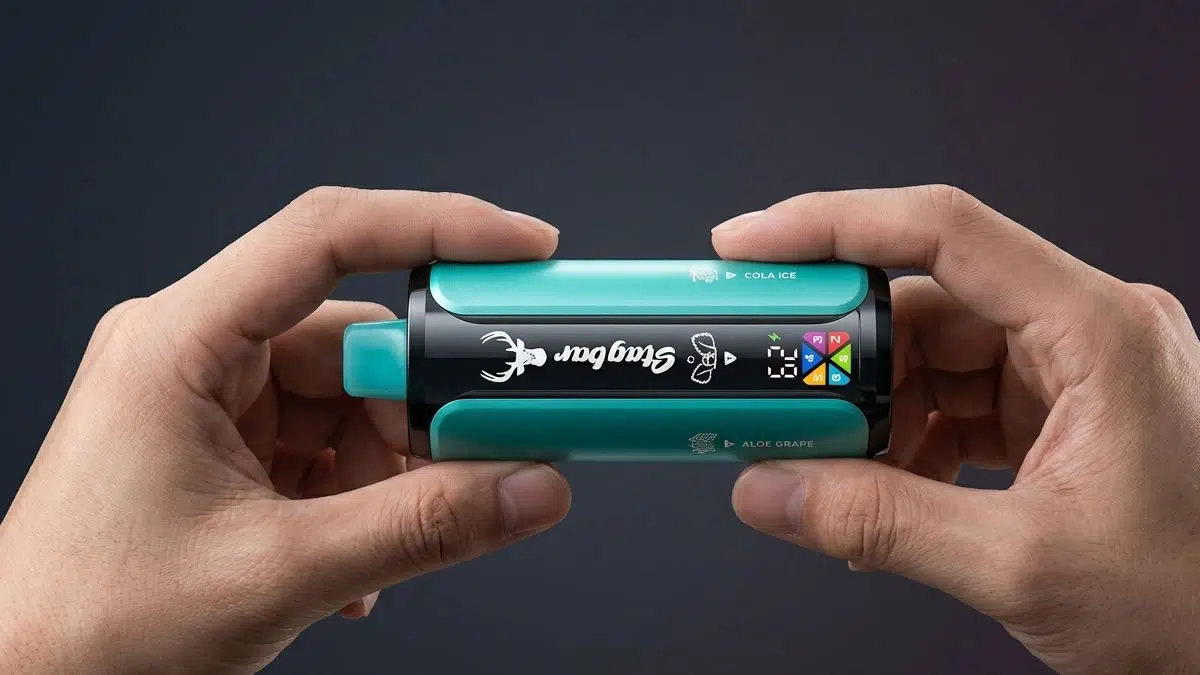
Russian President Vladimir Putin has signed a landmark law granting the country’s regional governments the authority to independently ban the retail sale of vapes and e-liquids. This decentralized regulatory shift, set to take effect on March 1, 2027, marks a significant escalation in Russia’s ongoing crackdown on electronic nicotine delivery systems.
Under the newly approved amendment, Russian regions can opt to enforce localized bans for a five-year window ending March 1, 2032. Regions choosing to exercise this right must notify the federal regulator, Rosalkogoltabakkontrol, which will maintain a public registry of vape-free territories on its official website.
The legislative move stems from a proposal by Nizhny Novgorod Governor Gleb Nikitin, which quickly gained federal traction. According to Deputy Prime Minister Dmitry Grigorenko’s office, the regional bans will serve as an “experiment” to evaluate the policy’s real-world efficacy. Regions that do not opt-in will continue to operate under standard federal regulations.
This regional experiment follows growing federal hostility toward vaping. In November 2025, President Putin publicly endorsed the concept of a nationwide vape ban during a visit to Samara, responding to appeals from youth health advocacy groups and noting the importance of anti-vaping education among young people.
While the broader law containing these amendments is set to take effect on October 1, 2026, the specific provision enabling regional bans will officially activate on March 1, 2027.


