Vaping safety requires a combination of proper lithium-ion battery management, regular hardware maintenance, and responsible e-liquid handling. By using regulated UK products, understanding electrical limits, and following correct charging protocols, users can minimize the risks of device malfunction, battery venting, and nicotine exposure.
- Battery Integrity: Never use batteries with torn wraps, avoid loose transport in pockets, and charge using external chargers.
- Device Maintenance: Clean connection terminals weekly and replace coils promptly to prevent dry hits and electrical strain.
- E-Liquid Management: Store liquids away from children and pets, avoid skin contact, and match nicotine strengths to your hardware setup.
- Quality Standards: Purchase only from regulated sources complying with UK safety and quality frameworks.
Vaping serves as a key tool for adult smokers seeking a less harmful alternative to combustible tobacco. Public Health England’s UK government evidence review indicates that vaping carries a fraction of the risk of smoking, with approximately 95% of the harm removed. Additionally, a major Cochrane review on nicotine e-cigarettes found high-certainty evidence that these devices are more effective for quitting smoking than nicotine replacement therapy (NRT) like patches or gum.
However, because e-cigarettes are electronic devices that heat chemical solutions, safety depends on user behavior. Understanding the mechanics of your device, from battery safety to wicking, is essential to prevent accidents and ensure a reliable experience.
Battery Safety: The Core of Hardware Management
Most vaping accidents involve lithium-ion batteries. These cells store a high density of energy and can fail if mistreated, overcharged, or exposed to extreme temperatures.
Safe Charging Protocols
Always charge your device using the cable supplied by the manufacturer. Avoid using generic wall adapters, such as high-output smartphone fast chargers, which can supply incorrect voltage and cause the battery to overheat. According to the FDA tips on avoiding vape fires, you should never leave a charging device unattended or plugged in overnight. Charge devices on hard, flat, non-flammable surfaces rather than beds, sofas, or carpets.
Handling External Batteries
For advanced mods that use external cells (such as 18650 or 21700 batteries), follow these rules to maintain safety:
- Inspect the Wraps: The plastic wrap around a battery acts as an insulator. If you notice any nicks, tears, or exposed metal, stop using the battery immediately. You must re-wrap the cell or discard it safely.
- Use Proper Storage: Never carry loose batteries in your pocket or bag. Metal items like keys, coins, or foil can bridge the positive and negative terminals, causing a short circuit, thermal runaway, and potential explosion. Always transport batteries in a dedicated plastic battery case.
- Use External Chargers: While many mods feature a USB port, charging external batteries inside the mod can lead to uneven wear and strain the internal chip. An external multi-bay charger ensures balanced charging and prolongs battery lifespan.
- Keep Pairs Matched: If your mod requires multiple batteries, use a “married” pair. This means buying them together, charging them together, and using them exclusively in the same device to ensure they discharge at the same rate.
Temperature Extremes
Lithium-ion batteries are sensitive to ambient conditions. Cold temperatures reduce capacity, while heat accelerates internal chemical degradation. A study on how weather conditions impact lithium battery performance outlines these risks. Avoid leaving your vape in direct sunlight, glove compartments, or unheated environments during winter.
Ohm’s Law and Electrical Limits for Advanced Users
If you use rebuildable atomizers (RDAs/RTAs) or unregulated mechanical mods, you must understand Ohm’s Law. Mechanical mods lack safety chips, meaning the coil’s resistance directly determines the current drawn from the battery.
Use the formula: Current (Amps) = Voltage (Volts) / Resistance (Ohms).
A fully charged lithium-ion battery sits at 4.2V. If you build a coil at 0.15Ω, the amp draw is 28A (4.2 / 0.15). If your battery is only rated for a 20A continuous discharge rate (CDR), you are overloading the cell, which can lead to venting.
| Coil Resistance (Ohms) | Voltage (Fully Charged) | Amp Draw (Current) | Minimum Required Battery CDR |
|---|---|---|---|
| 0.5 Ω | 4.2 V | 8.4 A | 10 A or higher |
| 0.3 Ω | 4.2 V | 14.0 A | 20 A or higher |
| 0.2 Ω | 4.2 V | 21.0 A | 30 A (e.g., Molicel P26A, Samsung 30T) |
| 0.1 Ω (Dangerous) | 4.2 V | 42.0 A | Exceeds safe limits of standard 18650s |
Always purchase batteries from verified vendors. Avoid platforms like Amazon or AliExpress for battery purchases, as counterfeit cells with inflated ratings are common.

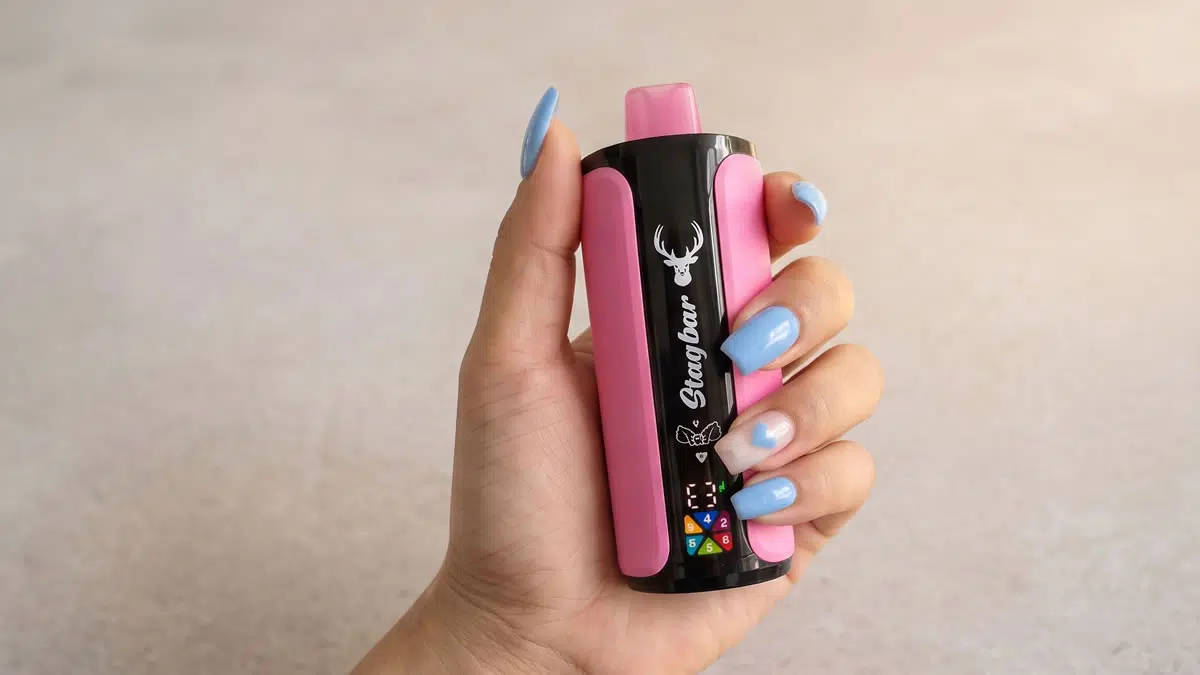
StagBar Vape 6in1 180K Puffs Disposable
The Stagbar 6-in-1 featuring a unique 6-flavor system and six independent mesh coils, this device allows users to switch between six distinct tastes in one sleek unit, delivering an unprecedented 180,000 puffs.
Device Maintenance and Cleaning Protocols
Regular maintenance prevents electrical faults, preserves flavor quality, and extends the lifespan of your hardware. Follow these steps to keep your device in working order:
- Clean Connection Terminals: E-liquid and dust can collect in the 510 connection thread between the tank and the battery. Use a cotton swab dipped in isopropyl alcohol to clean these threads weekly. Dry them thoroughly before reassembling.
- Inspect for Leaks: E-liquid leaking into the internal circuitry of a mod can cause short circuits. If you notice liquid escaping from the airflow vents, disassemble the tank, clean the components, and check the rubber O-rings for damage.
- Monitor Coil Lifespan: Coils degrade over time, leading to carbon buildup. This affects the resistance and causes a burnt taste. Replace your coil every 1 to 3 weeks depending on usage. Learn more about the functionality of atomisers to understand how heating elements operate.
- Avoid Dry Hits: When installing a new coil, prime it by applying a few drops of e-liquid directly to the exposed cotton wick. Fill the tank and let it sit for 5 to 10 minutes before firing. This prevents the cotton from burning on first contact with the heating element. If you experience a burnt taste, consult these tips on burnt tasting vape fixes.
- Address Unusual Noises: If your vape makes high-pitched whistling, crackling, or gurgling sounds, it may indicate a flooded coil or blocked airflow.
For step-by-step cleaning instructions, read this guide on how to maintain your e-cigarette.
E-Liquid Safety, Nicotine Strengths, and Storage
E-liquids contain vegetable glycerin (VG), propylene glycol (PG), flavorings, and often nicotine. While these ingredients are safe to vaporize under regulated conditions, they require careful handling in liquid form.
Storage and Childproofing
Nicotine is toxic if swallowed or absorbed through the skin in high concentrations. Keep all e-liquids, cartridges, and pods locked away from children and pets. Ensure childproof caps are screwed on tightly. If e-liquid spills on your skin, wash the area immediately with soap and water. If liquid is swallowed, rinse the mouth and contact medical services.
Avoiding Contaminants
Only purchase products that comply with local regulations. In the UK, the Tobacco and Related Products Regulations (TRPR) enforce strict ingredient standards, banning harmful additives like diacetyl and vitamin E acetate. Avoid buying e-liquids from unregulated online sources or informal markets. Review the details on UK quality vaping standards to understand how regulated products are tested.
Shelf Life and Expiry
E-liquids typically remain stable for one to two years. Over time, exposure to oxygen and light degrades the nicotine and flavorings, causing the liquid to darken. Check the expiration date before use, and store bottles in a cool, dark cupboard. For more information, read about vape juice expiry.
Matching Nicotine Strength to Inhalation Style
Choosing the correct nicotine level prevents overconsumption, which can cause dizziness, nausea, or headaches. The two primary inhalation styles require different nicotine formulations:
- Mouth-to-Lung (MTL): Mimics the draw of a cigarette. Uses higher nicotine strengths (12mg to 20mg) and higher PG ratios (e.g., 50/50 VG/PG) with low-wattage devices. Find the right nicotine strength to match your previous smoking habits.
- Direct-to-Lung (DTL): Involves inhaling vapor directly into the lungs. Uses lower nicotine strengths (3mg to 6mg) and higher VG ratios (70% VG or more) with high-wattage sub-ohm devices to avoid harsh throat hits.
| Inhalation Style | Recommended VG/PG Ratio | Typical Nicotine Strength | Device Type |
|---|---|---|---|
| Mouth-to-Lung (MTL) | 50/50 or 40/60 | 12mg – 20mg (Nic Salts or Freebase) | Pod systems, vape pens, low-wattage tanks |
| Restricted DTL (RDTL) | 60/40 or 70/30 | 6mg – 12mg | Adjustable pod mods, mid-range tanks |
| Direct-to-Lung (DTL) | 70/30 or 80/20 | 3mg – 6mg (Freebase) | Sub-ohm tanks, rebuildable drippers (RDAs) |
Advanced Vape Customization and DIY Safety
For hobbyists building their own coils or mixing e-liquids, safety requires precision. Unregulated modifications can lead to hardware failure.
Coil Wire Selection
Different wire types behave differently under heat and electrical current:
- Kanthal (A1): A stable, reliable wire for wattage mode. It has a slower ramp-up time and holds its shape well.
- Nichrome (Ni80): Heats up faster than Kanthal, offering quick vapor production. It contains nickel, which may trigger allergies in sensitive users.
- Stainless Steel (SS316L): Can be used in both standard wattage mode and temperature control (TC) mode. It offers clean flavor but requires careful resistance monitoring.
Wicking and Cotton Selection
When wicking rebuildable devices, use 100% organic, unbleached cotton. Avoid cheap, chemically treated cosmetic cotton pads, which can release toxic pesticide residues when heated. Ensure the cotton is packed tightly enough to prevent leaking, but loose enough to allow e-liquid to saturate the coil quickly. Too much cotton blocks liquid flow, leading to dry hits, while too little cotton causes flooding and spitback.
DIY E-Liquid Risks
Mixing e-liquids at home requires handling highly concentrated nicotine bases. Always wear protective gloves and eyewear when handling nicotine concentrations above 20mg/ml. Use digital scales or graduated syringes for precise measurements, as mathematical errors can result in dangerously high nicotine levels in the finished product.

StagBar Vape 4in1 80K Puffs Disposable
The Stagbar 4-in-1 80,000 is a revolutionary high-capacity disposable featuring 4 flavors and 4 independent mesh coils in one device, delivering an industry-leading 80,000 puffs.
Environmental Considerations and Disposal
Vaping products contain plastics, heavy metals, electronic circuitry, and lithium-ion batteries, making them hazardous waste if thrown into standard trash bins. According to the UK MHRA guidelines, vapers must dispose of hardware responsibly:
- Batteries: Take expired or damaged batteries to dedicated recycling points found in supermarkets, local recycling centers, or vape shops.
- Disposable Vapes: Do not throw disposable vapes in household waste. These devices contain built-in batteries that can short-circuit and start fires in waste collection trucks. Use designated small WEEE (Waste Electrical and Electronic Equipment) recycling bins.
- E-Liquid Bottles: Rinse empty plastic e-liquid bottles thoroughly to remove nicotine residue before placing them in standard plastic recycling bins.
FAQ: Essential Vaping Safety
-
Is vaping safer than smoking cigarettes?
Yes. According to health bodies like Public Health England, vaping is estimated to be 95% less harmful than smoking because it does not involve combustion, which produces toxic tar and carbon monoxide. However, vaping is not risk-free and is intended only as a tool for smoking cessation. For historical context, you can read about the history of vaping.
-
Why does my vape taste burnt, and is it dangerous?
A burnt taste occurs when the cotton wick inside the coil is dry or charred. Inhaling vapor from a burnt coil exposes you to degraded chemicals. Stop vaping immediately, replace the coil, and ensure the new coil is primed with e-liquid before use.
-
Can I use any USB cable to charge my vape?
While the physical connector may fit, you should only use the cable supplied with your device or a certified replacement. Avoid using high-amperage phone chargers, as they can overheat the battery and cause damage.
-
What should I do if my vape gets hot?
If your device feels hot to the touch, stop using it immediately. Turn it off, place it on a non-flammable surface, and let it cool down. If the heat is caused by chain vaping, slow down your puff rate. If it heats up without use, the battery may be failing and should be replaced.
-
Can I travel on an airplane with my vape?
Yes, but you must follow aviation safety rules. Vaping devices and loose lithium-ion batteries must be carried in your cabin baggage, not in checked luggage. E-liquids must comply with liquid volume limits (usually 100ml per bottle) and be placed in a clear plastic bag.


