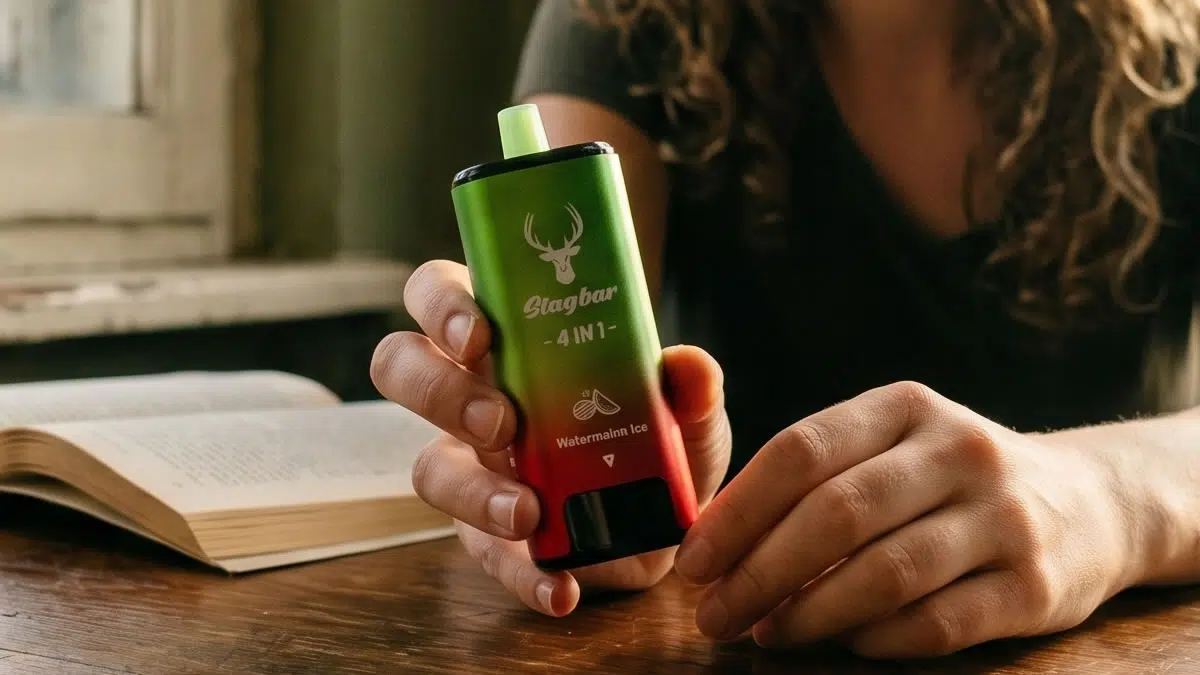
The Dutch National Institute for Public Health and the Environment (RIVM) has proposed standardizing e-cigarette designs, while the cabinet simultaneously mandated plain packaging for vapes and cigars. This aggressive regulatory push, announced in April, aims to strip alternative nicotine products of their marketing appeal to curb rising youth usage rates.
Under the RIVM proposal, titled “Options to reduce e-cigarette appeal by regulating the appearance and functionality,” future vapes could be restricted to a simplified, uniform appearance. The agency suggests reverting devices to first-generation “cig-a-likes” – lacking adjustable settings, technological features, or custom colors. RIVM argues that eliminating features like “cloud chasing” and “dripping” will deter youth while remaining viable for adult smokers looking to switch.
Simultaneously, State Secretary for Health, Welfare and Sport, Maarten van Ooijen, announced that vapes and cigars will be legally required to use neutral (plain) packaging. This aligns them with combustible cigarettes, which have required standardized packaging in the Netherlands since 2020. The mandate aims to eliminate the “luxury product” branding often used for vapes and cigarillos, making health warnings more prominent.
| Product Feature | Current Status | Proposed / Mandated Change |
|---|---|---|
| Vape Packaging | Branded, colorful, luxury designs | Standardized neutral/plain packaging |
| Cigar Packaging | Branded boxes and wrappers | Standardized neutral/plain packaging |
| Vape Device Design | Variable power, colors, custom mods | Standardized “cig-a-like” (no settings, dark colors) |
The plain packaging initiative is a cornerstone of the Dutch National Prevention Agreement, which targets a “Smoke-Free Generation” by 2040 – defined as zero youth smokers and under 5% adult smokers.
However, critics and industry observers warn that these strict aesthetic bans ignore consumer behavior. Neither the RIVM nor the World Health Organization (WHO) proposals account for the highly active illicit market. Observers suggest that stripping legal vapes of functionality and visual appeal will simply drive consumers to illegal black-market channels, bypassing safety regulations entirely.
- RIVM is the same agency that produced a list of allowed e-liquid ingredients that included known carcinogens and forced the government to postpone its planned flavor ban for a year.


