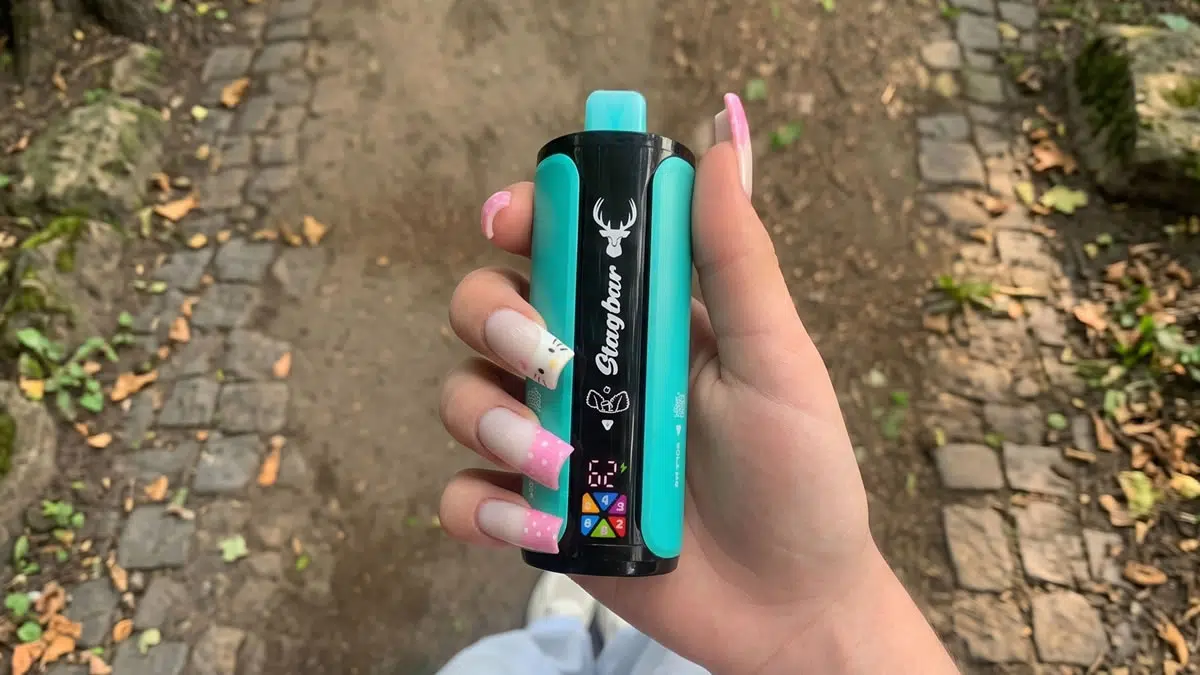
Over 40 countries have banned the sale of electronic cigarettes as of 2026, with penalties ranging from heavy fines to imprisonment. Travelers must verify local laws before departure, as possession alone can lead to arrest in destinations like Thailand, Singapore, and Vietnam.
- Total Bans: Vietnam, India, Singapore, Thailand, Brazil, and Mexico strictly prohibit all vape sales, imports, and possession.
- Severe Penalties: Thailand imposes up to 10 years in prison for possession, while Vietnam’s commercial penalties reach up to 15 years.
- French Regulations: France banned disposable “puffs” in February 2025, with further flavor and packaging restrictions expected in 2026.
- Travel Precautions: Vapes must be carried in cabin baggage, and transit through ban-enforced countries carries high confiscation risks.
The World Health Organization (WHO) has urged governments to take immediate action to restrict or ban flavored nicotine products. According to the WHO call to ban flavored tobacco and nicotine products, countries like Belgium, Denmark, and Lithuania serve as examples of tightening regulations. Globally, more than 40 countries have banned the sale of electronic cigarettes, with several targeting disposable devices specifically.
This regulatory shift has created a complex legal landscape for international travelers and retailers. While some nations view vaping as a harm-reduction tool, others treat it as an illicit drug issue, enforcing strict penalties for possession, import, and sale.
Countries with Total Vape Bans
In countries enforcing a total ban, the prohibition covers the production, import, sale, possession, and use of electronic cigarettes. Entering these jurisdictions with a vape can lead to immediate confiscation, fines, or arrest.
Vietnam
Vietnam implemented a total ban on all electronic cigarettes and heated tobacco products in January 2025. The law targets both commercial operations and personal use. Individuals caught using vapes face fines of up to 2 million VND (approximately $78 USD). Commercial activities, including importing or selling vapes, carry severe penalties, including fines up to 3 billion VND or prison sentences of up to 15 years.
Singapore
Singapore has banned electronic cigarettes since 2018. The ban covers possession, use, purchase, and import. Buying or using a vape in Singapore carries a fine of up to 2,000 SGD (approximately $1,500 USD). The penalty for importing, distributing, or selling vapes is much higher, reaching up to 10,000 SGD ($7,500 USD), six months in prison, or both for a first offense.
India
India passed a nationwide ban on electronic cigarettes in 2019. The law prohibits the production, manufacture, import, export, transport, sale, distribution, and advertising of e-cigarettes. First-time offenders face up to one year in prison, a fine of 100,000 rupees (approximately $1,200 USD), or both. Subsequent offenses can result in up to three years in prison.
Thailand
Thailand has enforced one of the world’s strictest anti-vaping laws since 2014. The import, sale, and possession of e-cigarettes are illegal. Tourists caught with a vape face confiscation, heavy fines, or prison sentences of up to 10 years. Enforcement is active in tourist areas, beaches, and public spaces.
Other Nations with Total Bans
Several other countries enforce strict bans on electronic cigarettes. These include Brazil (banned since 2009), Mexico (banned since 2022), Colombia, Argentina, Panama, Uruguay, Venezuela, Cambodia, Brunei, Hong Kong, Oman, and Qatar. The Maldives implemented a ban in November 2024, and Kazakhstan followed in June 2024.
Comparing Vape Penalties by Country
The following table outlines the specific penalties enforced in key destinations where vaping is prohibited.
| Country | Year Enacted | Personal Use / Possession Penalty | Import / Commercial Sale Penalty |
|---|---|---|---|
| Thailand | 2014 | Confiscation, fines up to €2,800, or up to 10 years in prison | Heavy fines and prison sentences |
| Singapore | 2018 | Fines up to 2,000 SGD (~$1,500 USD) | Fines up to 10,000 SGD and/or up to 6 months in prison |
| India | 2019 | Fines and up to 1 year in prison | Fines and prison sentences up to 3 years |
| Vietnam | 2025 | Fines up to 2 million VND (~$78 USD) | Fines up to 3 billion VND and/or up to 15 years in prison |
| Taiwan | 2023 | Fines and potential prosecution | Up to 10 years in prison and €2,800 fine |
| Malaysia (Selangor) | Varies | Confiscation and local fines | Fines up to €2,000 and/or up to 2 years in prison |

StagBar Vape 6in1 180K Puffs Disposable
The Stagbar 6-in-1 featuring a unique 6-flavor system and six independent mesh coils, this device allows users to switch between six distinct tastes in one sleek unit, delivering an unprecedented 180,000 puffs.
Countries with Partial Vape Restrictions
Some countries do not ban vaping entirely but restrict specific products, ingredients, or distribution methods.
Australia
Australia operates a prescription-only model for nicotine vaping products. It is illegal to buy or import nicotine e-cigarettes or e-liquids without a valid prescription from an Australian doctor. Non-nicotine vaping products remain subject to state-level regulations, though border controls on imports have tightened.
Japan
Japan bans the sale of e-liquids containing nicotine. However, non-nicotine e-cigarettes and heated tobacco products (such as IQOS) are legal and widely available. Tourists may import a limited quantity of nicotine-containing e-liquids for personal use, subject to customs limits.
Norway
Norway restricts the local sale of nicotine-containing e-cigarettes. While domestic commercial sales are limited, individuals are permitted to import nicotine products for personal use, provided they can prove the products are intended for smoking cessation.
Why Governments Ban Electronic Cigarettes
The motivations behind national vape bans vary, involving public health priorities, economic factors, and cultural norms.
Youth Protection and Health Concerns
Many governments justify bans by citing the precautionary principle. Because the long-term health effects of vaping are not fully documented, authorities choose to restrict access. The appeal of sweet, fruit-flavored e-liquids and colorful packaging to minors is a primary driver for these bans. In contrast, some public health experts argue that strict bans limit options for adult smokers trying to quit, potentially driving them back to combustible tobacco.
Economic and Fiscal Motives
In several countries, particularly in Asia, tobacco sales are a major source of government revenue or are managed by state-owned monopolies. The rise of electronic cigarettes presents a direct threat to these fiscal structures. By banning vapes, governments protect traditional tobacco tax revenues.
Cultural and Religious Factors
In regions like the Middle East (Qatar, Oman) and the Maldives, cultural and religious values influence drug and nicotine policies. Authorities in these nations often enforce strict prohibitions on any substance deemed addictive or harmful to public morals.
France’s Evolving Vape Regulations
France maintains a regulated market for electronic cigarettes but has introduced restrictions targeting youth consumption and environmental waste.
The 2025 Disposable Vape Ban
Under Law n° 2025-175, France banned the sale, distribution, and possession for sale of disposable electronic cigarettes (known as “puffs”) effective February 26, 2025. This ban was introduced to curb youth nicotine addiction and reduce the environmental impact of disposable lithium batteries.
Current Rules for Rechargeable Vapes
Rechargeable e-cigarettes and e-liquids remain legal in France for adults over 18. E-liquids are subject to a maximum nicotine concentration of 20 mg/ml. Since July 1, 2025, public outdoor spaces such as parks, beaches, and school surroundings have been designated as tobacco-free zones. While this measure primarily targets smoking, local municipalities can extend the ban to vaping via local ordinances.
Outlook for 2026
French authorities are considering further restrictions for 2026. Proposed measures include limiting specific fruit flavors, introducing plain packaging for vaping products, and implementing new excise taxes on e-liquids.
Essential Travel Rules for Vapers
To avoid confiscation, fines, or legal issues when traveling with a vape, follow these transport guidelines:
- Pack in Cabin Baggage: All e-cigarettes, vaporizers, and spare lithium-ion batteries must be carried in your carry-on luggage. Airlines ban these items in checked baggage due to fire risks.
- Observe Liquid Limits: E-liquids must be placed in containers of 100 ml or less and packed inside a clear, resealable plastic bag, consistent with standard airport security rules.
- Empty the Tank: Air pressure changes during a flight can cause vape tanks to leak. Empty your tank before boarding and close the airflow control.
- Check Transit Laws: If your flight layover is in a country where vaping is banned (such as Singapore or Qatar), your luggage may be screened, and your device could be confiscated during transit.

StagBar Vape 4in1 80K Puffs Disposable
The Stagbar 4-in-1 80,000 is a revolutionary high-capacity disposable featuring 4 flavors and 4 independent mesh coils in one device, delivering an industry-leading 80,000 puffs.
Frequently Asked Questions
-
Which countries have a total ban on vapes in 2026?
More than 40 countries ban vaping. Key destinations with total bans include Thailand, Singapore, India, Vietnam, Brazil, Mexico, Cambodia, Hong Kong, Qatar, Oman, Kazakhstan, and the Maldives. In these countries, sale, import, and possession are illegal.
-
Can I bring a vape to Thailand as a tourist?
No. Thailand’s anti-vaping laws apply to tourists. Bringing a vape into the country is considered illegal import. If caught, you face confiscation, fines, or prison sentences of up to 10 years.
-
Is vaping allowed in public spaces in France?
Vaping is banned in enclosed workplaces, public transport, and schools. While the outdoor “tobacco-free” zones introduced in July 2025 target smoking, local authorities may also prohibit vaping in specific parks or beaches. Always check local signage.
-
How should I pack my vape for a flight?
Keep the vape device and all spare batteries in your carry-on bag. E-liquids must be in bottles of 100 ml or less and placed in a clear plastic bag. Empty the tank before the flight to prevent leaks caused by cabin pressure.
-
What happens if I transit through a country where vapes are banned?
If you transit through an airport in a country with a total ban (like Singapore Changi or Qatar Hamad), your carry-on baggage may go through security screening. Authorities can confiscate your device, and you may face fines.


