More than 40 countries prohibit electronic cigarettes through sales bans, import restrictions, or total possession bans. Penalties range from immediate border confiscations and heavy fines to long prison sentences. Travelers and consumers must understand regional legal frameworks, public space restrictions, and airline safety mandates regarding lithium batteries and e-liquids before taking vaping equipment abroad.
- Strict International Bans: Nations including Thailand, Singapore, Vietnam, India, Brazil, and Mexico enforce strict bans covering purchase, import, or personal possession.
- Severe Legal Penalties: Infractions carry maximum fines up to \$12,000 USD in Mexico, 10,000 SGD in Singapore, and prison terms reaching 10 years in Thailand and 15 years in Vietnam.
- French Public Restrictions: Under Article L3513-6 of the French Public Health Code, vaping is banned in schools, enclosed workplaces, and closed public transport, with disposable vapes prohibited entirely since February 2025.
- Airline Carry-On Mandates: International aviation rules require all vaping devices, pods, and spare lithium-ion batteries to travel exclusively in cabin carry-on baggage.
Global regulations surrounding electronic cigarettes vary drastically between jurisdictions, exposing travelers and consumers to confiscations, substantial fines, or criminal prosecution. Over 40 countries enforce prohibitions covering sales, commercial distribution, imports, and personal possession. Concurrently, nations like France maintain specific framework rules restricting vape usage in designated public spaces, educational facilities, and transit networks.
Understanding the exact legal status of vaping equipment is essential before planning international travel or navigating public space restrictions. This guide details national bans, legal penalties, French public health codes, outdoor smoking updates, and airline transport protocols.
Global Mapping of E-Cigarette Prohibitions
More than 40 countries currently restrict or entirely prohibit electronic cigarettes. Depending on the jurisdiction, statutory bans may target retail distribution, commercial importation, border transport, or personal possession and usage.
Several nations across Asia and Latin America enforce absolute bans on electronic cigarettes. In these jurisdictions, buying, selling, importing, or using a device can trigger law enforcement actions at border checkpoints or within public spaces. Thailand remains one of the strictest destinations worldwide, where authorities routinely seize devices upon arrival, even when intended strictly for personal use. Singapore has maintained a total prohibition since 2018, whereas European nations typically regulate device safety and retail standards rather than enacting total bans.
- Thailand: Enforcement began in 2014. Importation is strictly banned, including for personal use. Customs officers confiscate equipment upon arrival. Penalties reach up to 10 years imprisonment and fines of approximately €2,800 (~\$3,000 USD) for simple possession or usage.
- Singapore: A complete ban active since 2018 covers possession, usage, and importation. Fines reach up to 2,000 Singapore Dollars (SGD) for personal possession or use, and up to 10,000 SGD along with six months imprisonment for illegal importation.
- Vietnam: Implemented a total ban in January 2025 covering personal usage and all commercial vape operations. Commercial violations carry criminal sentences of up to 15 years imprisonment, while personal use attracts administrative fines up to 2 million VND (~\$78 USD).
- India: Enacted the Prohibition of Electronic Cigarettes Act in 2019, criminalizing manufacture, import, sale, and possession. Penalties include up to one year imprisonment and fines of approximately $1,200 USD.
- Brazil: The health agency ANVISA banned the sale, import, and advertising of e-cigarettes in 2009. Violations result in equipment seizure and commercial fines.
- Mexico: Prohibited purchasing, selling, and importing vaping devices in May 2022. Regulations extended to cover personal imports in January 2026, with fines reaching up to $12,000 USD.
- Maldives: Implemented bans in November 2024 covering personal usage, possession, and commercial sales, backed by equipment confiscations and financial fines.
Kazakhstan enacted a sales ban in June 2024, joining a growing list of nations restricting novel nicotine products. Travelers can consult a complete list of countries banning e-cigarettes to review specific regional enforcement protocols and penalties.
| Country | Ban Enacted | Restricted Actions | Maximum Statutory Penalty |
|---|---|---|---|
| Thailand | 2014 | Sale, import, possession, usage | 10 years imprisonment / ~€2,800 fine |
| Singapore | 2018 | Possession, usage, import | 10,000 SGD fine / 6 months prison |
| Vietnam | January 2025 | Usage, sale, commercial trade | 15 years imprisonment (commercial) |
| India | 2019 | Usage, possession, import | 1 year imprisonment / ~\$1,200 USD fine |
| Brazil | 2009 | Sale, distribution, import | Administrative fines and product seizure |
| Mexico | 2022 / 2026 | Purchase, sale, personal import | Up to \$12,000 USD fine / detention |
| Maldives | November 2024 | Usage, possession, sale | Confiscation and administrative fines |
Hong Kong maintains a total ban on electronic cigarettes, operating under a separate regulatory regime from mainland China. Other jurisdictions enforcing sales or possession prohibitions include Cambodia, Qatar, Oman, Argentina, Uruguay, Venezuela, Brunei, and Colombia.

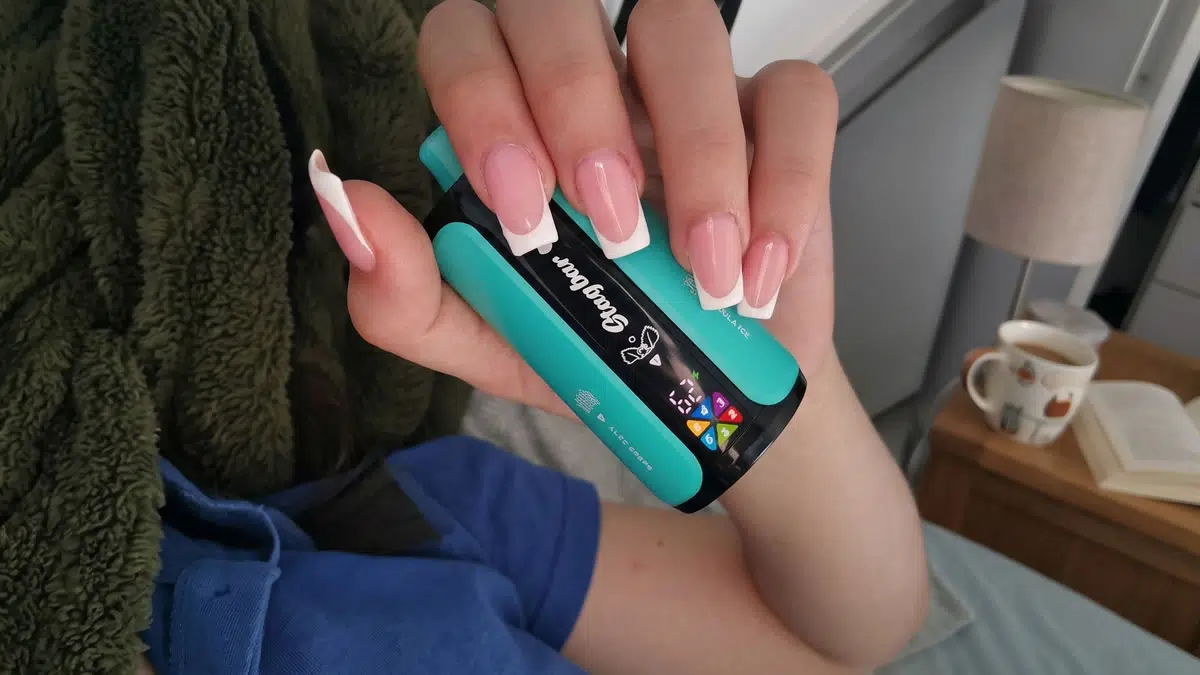
StagBar Vape 6in1 180K Puffs Disposable
The Stagbar 6-in-1 featuring a unique 6-flavor system and six independent mesh coils, this device allows users to switch between six distinct tastes in one sleek unit, delivering an unprecedented 180,000 puffs.
Distinguishing Between Sale, Possession, and Import Bans
National regulatory frameworks vary in scope. Certain jurisdictions restrict commercial retail sales while permitting adult possession, whereas strict nations target possession and importation directly.
In countries like India, Singapore, and Thailand, carrying an electronic cigarette in public or passing through customs with a device constitutes a statutory offense. In contrast, jurisdictions targeting commercial distribution focus enforcement actions on retailers, importers, and wholesalers rather than individual consumers carrying personal equipment.
Furthermore, internal regulations set by specific venues, transit authorities, or municipal bodies can impose independent operational bans even in countries where vaping hardware remains legally available for adult purchase.
Key Motivations Driving International Vaping Bans
Governments cite distinct health, economic, social, and cultural rationales when drafting restrictive vaping legislation.
Public Health and Youth Protection Initiatives
Uncertainties regarding long-term health outcomes drive several nations to apply the precautionary principle. Regulators argue that available clinical data remains insufficient to guarantee complete product safety over multi-decade periods. Additionally, bright product packaging, sweet flavor profiles, and social media visibility are frequently identified as key risk factors attracting underage users, prompting governments to institute blanket prohibitions.
Economic, Cultural, and Substance Control Factors
Economic considerations play a central role in several Asian jurisdictions where state-owned tobacco monopolies contribute revenue to government budgets. In these markets, reduced-risk vaping alternatives are viewed as a direct threat to state fiscal stability. Elsewhere, authorities restrict devices due to illicit modifications, such as the unauthorized consumption of synthetic cannabinoids or liquid THC through open-system atomizers. Finally, nations including Qatar, Oman, and the Maldives invoke cultural or religious principles to restrict addictive substances generally, independent of global scientific debates on tobacco harm reduction.
Public Vaping Regulations and Enclosed Space Bans in France
In France, the use of electronic cigarettes in shared enclosed spaces is governed primarily by Article L3513-6 of the Public Health Code. The statute explicitly prohibits vaping across specific public categories, including educational centers, closed public transport, and shared enclosed workplaces. Citizens can review the official text on Légifrance to examine specific legal statutory definitions.
Specific Locations Subject to Statutory Vaping Bans
French health law categorizes public spaces into locations subject to direct statutory prohibitions and venues managed by internal house rules:
- Educational Institutions: Primary schools, middle schools, high schools, universities, and apprentice training centers (CFAs) are strictly vape-free. The prohibition applies to all staff, students, and visitors across both indoor facilities and outdoor grounds.
- Facilities Dedicated to Minors: All public or private establishments designed to accommodate, train, house, or provide athletic activities for individuals under 18 years of age are legally restricted.
- Enclosed Public Transport: Vaping inside buses, trains, subways, trams, and commercial passenger transport vehicles has been strictly illegal since October 1, 2017. Enforcement begins immediately upon boarding.
- Enclosed Shared Workplaces: Shared offices, open-plan workspaces, meeting rooms, break rooms, and enclosed industrial workshops are subject to mandatory bans implemented on October 1, 2017. Individual private offices accessed by multiple workers during the business day fall under these restrictions.
Retail sales or free distribution of vaping products to minors under 18 years of age is illegal throughout France. Retailers breaking this law face a 4th-class contravention fine of €135, escalating up to €750. Individuals caught vaping in a legally restricted public location incur a 2nd-class administrative fine of €35, which can escalate up to €750. A dedicated legal overview detailing French vaping rules and restricted spaces outlines regulatory updates governing public environments.
Property managers supervising legally restricted spaces must post mandatory regulatory signage at entrance points. Failure to display official signage constitutes a separate legal infraction punishable by fines up to €450.
Regulations in Commercial Venues, Hotels, and Health Facilities
In private commercial establishments—including restaurants, cafes, hotels, nightclubs, and shopping malls—French law does not impose an automatic, statutory vaping ban. Instead, establishment owners hold discretionary authority to prohibit vaping inside their premises via internal house rules (règlement intérieur). Displaying a pictogram, poster, or written policy renders the prohibition legally enforceable against patrons.
Regarding hardware, the commercial sale, distribution, or free offering of non-rechargeable pre-filled disposable vapes (“puffs”) has been strictly illegal in France since February 26, 2025, under Law No. 2025-175, carrying commercial fines of up to €100,000. In healthcare facilities and hospitals, management authorities maintain the right to enforce site-wide vaping prohibitions through internal administrative decisions.
French Outdoor Smoking Bans and Vaping Regulations
Starting in July 2025, national public health mandates expanded tobacco smoking restrictions across specific outdoor public environments in France. Designated locations now operate as smoke-free zones to reduce passive smoke exposure among families and children.
Designated Outdoor Tobacco-Free Zones
The outdoor restrictions introduced in July 2025 target traditional combustible tobacco products across specific public domains:
- Public Parks and Gardens: Smoking tobacco is legally prohibited across all municipal parks and public gardens without requiring local municipal decrees.
- Beaches: Coastal beaches fall under the national smoke-free umbrella, codifying measures previously implemented by individual coastal municipalities.
- School Perimeters: Smoking traditional tobacco is prohibited within a mandatory 10-meter perimeter surrounding school entrance gates.
- Public Transit Stops: Municipalities maintain authority to establish smoke-free zones around open-air bus shelters and public facility entrances through local prefectural decrees.
Legal Distinction Between Outdoor Tobacco and Vaping Bans
The statutory expansion of outdoor smoke-free zones applies to combustible tobacco products. Electronic cigarettes are not automatically included in nationwide outdoor park or beach bans unless an explicit municipal decree or local prefectural ordinance specifies vaping.
Consequently, using an electronic cigarette in a public park or on a beach designated as a “tobacco-free zone” remains legal under national law unless local municipal authorities post specific signage extending the ban to vaping devices. International destinations apply stricter rules: Spain bans vaping across numerous public spaces and tourist beaches, enforcing fines up to €2,000, while Croatia levies fines between €70 and €280 for outdoor public infractions.

StagBar Vape 4in1 80K Puffs Disposable
The Stagbar 4-in-1 80,000 is a revolutionary high-capacity disposable featuring 4 flavors and 4 independent mesh coils in one device, delivering an industry-leading 80,000 puffs.
Airline Safety Guidelines for Carrying Vaping Equipment
Transporting electronic cigarettes on commercial flights requires compliance with strict international aviation security standards set by the International Civil Aviation Organization (ICAO) and the International Air Transport Association (IATA).
Mandatory Cabin Transport for Lithium Batteries
All vaping devices, rechargeable pods, and spare lithium-ion batteries must travel strictly inside hand-held cabin baggage. Placing lithium batteries inside checked cargo baggage is illegal globally due to thermal runaway risks and fire hazards within unpressurized cargo holds.
- Spare Batteries: Passengers may carry a maximum of two spare lithium-ion batteries. Each battery must be placed individually inside an insulating plastic protective case to prevent short-circuiting. Removable batteries must be detached from mods prior to boarding.
- In-Flight Usage Prohibition: Using electronic cigarettes onboard an aircraft is strictly prohibited at all times, including during ground delays. Aircraft lavatories are equipped with sensitive optical smoke detectors capable of sensing aerosol vapor.
- Onboard Battery Charging Banned: Recharging vaping devices or lithium batteries using seat-back USB ports or portable power banks inside the aircraft cabin is forbidden due to overheating hazards.
- Protective Carrying Cases: Travelers should store hardware inside rigid, non-conductive carrying cases to protect auto-firing buttons from accidental mechanical activation during flight handling.
Passengers preparing for air travel should review complete airline vaping rules and baggage guidelines to ensure full compliance with international aviation regulations.
Managing E-Liquids and Cabin Pressure Fluctuations
Transporting liquid refills requires adherence to security volume limits and an understanding of physical cabin pressure shifts during flight.
Liquid Volume Restrictions
E-liquid containers carried inside cabin baggage must adhere to standard aviation liquid rules: individual bottles cannot exceed 100 ml (3.4 oz) and must fit inside a single, transparent, resealable 1-liter plastic bag. Refill bottles exceeding 100 ml must be packed securely inside checked cargo luggage within sealed, leak-proof plastic bags.
Preventing Altitude Pressure Leaks
During flight ascent, atmospheric pressure inside the aircraft cabin drops significantly. Trapped air inside an atomizer tank expands, pushing liquid downward through coil wicking ports and airflow intake slots.
- Leave approximately 2 ml of empty space inside clearomizer tanks prior to boarding to allow trapped air to expand harmlessly without displacing liquid.
- Close adjustable airflow rings completely before boarding and store tanks in an inverted, upside-down position during flight.
- Wrap individual e-liquid bottles and tank components in absorbent paper towels inside hermetic plastic bags to contain unexpected leaks caused by pressure drops.
- Emptying tanks completely prior to air travel represents the safest method to prevent cabin leakage.
Destination Regulations and Legal Nicotine Alternatives
Even when airline safety requirements are fully satisfied, entry into a destination country depends entirely on local customs statutes. Carrying vaping equipment into nations enforcing total possession bans can lead to device confiscation, severe administrative fines, or detention at customs control points.
In destinations like Thailand, Singapore, Vietnam, India, Brazil, and Mexico, customs officers actively search incoming luggage for vaping hardware. Carrying equipment through border checkpoints in these countries is strongly discouraged, as claims of personal use do not exempt international visitors from local prosecution.
Jurisdictions enforce varying levels of tolerance. In Turkey, commercial sales of vaping equipment and e-liquids are illegal, yet personal possession and public usage by adult tourists are generally tolerated. In the United Arab Emirates, public usage follows standard tobacco restrictions, though airport customs officials outside Dubai may occasionally confiscate hardware depending on local enforcement directives.
Travelers visiting destinations with strict vaping bans can utilize legal nicotine replacement therapies—such as pharmaceutical nicotine patches, oral gums, sublingual tablets, or nicotine pouches—to manage cravings legally without risking device confiscation or criminal prosecution.
Frequently Asked Questions About Global Vaping Laws
-
Which countries completely ban electronic cigarettes?
More than 40 nations ban the sale, import, or possession of electronic cigarettes. Countries enforcing the strictest legal bans include Thailand, Singapore, Vietnam, India, Brazil, Mexico, Cambodia, Qatar, Oman, Kazakhstan, the Maldives, Argentina, Uruguay, Venezuela, and Brunei. Penalties include heavy financial fines, immediate equipment seizure, and potential imprisonment.
-
Where is vaping prohibited by law in France?
Under French law (Article L3513-6 of the Public Health Code), vaping is strictly prohibited in primary and secondary schools, universities, facilities accommodating minors, enclosed public transportation (buses, trains, subways), and enclosed shared workplaces (open spaces, meeting rooms, workshops). Vaping in these designated spaces carries a €35 fine, escalating up to €750.
-
Does the July 2025 French outdoor tobacco ban apply to vapes?
No, not automatically. The national regulations implemented in July 2025 prohibiting traditional combustible tobacco in public parks, beaches, and around school entrances specifically target tobacco smoking. Vaping in these outdoor locations remains legal under national law unless local municipal authorities issue a specific prefectural decree banning electronic cigarettes on site.
-
Can electronic cigarettes be placed in checked airplane luggage?
No. International aviation safety regulations strictly forbid placing electronic cigarettes, vape pods, or spare lithium-ion batteries inside checked cargo luggage due to fire hazards. All vaping hardware, batteries, and portable power units must travel exclusively inside cabin carry-on baggage.


