Foreigners moving to Poland face local regulations governing daily life, from apartment noise limits to pet ownership and child safety. Local authorities and housing cooperatives actively enforce these rules, with violators facing fines of up to 1,000 PLN.
Adapting to these rules is necessary for a smooth transition. Understanding the legal boundaries helps new residents avoid costly penalties and disputes with neighbors or local police.
Managing Apartment Noise, Smoking, and Common Areas
Poland does not have a single, nationwide law that defines quiet hours between 22:00 and 06:00. However, disturbing the peace, public order, or night rest of neighbors is a punishable offense. According to reports by Relocate.to, individual housing cooperatives (wspólnota mieszkaniowa) establish their own specific quiet hours and building regulations.
Smoking on balconies is not banned by national law. Even so, housing cooperatives can implement internal bans if the smoke consistently disturbs neighbors. Additionally, residents must ensure that smoking does not create a fire hazard on the property.
Leaving personal items like bicycles, strollers, or furniture in building corridors and stairwells is prohibited. These items block evacuation routes and impede emergency responders. Fire safety codes and building administrators strictly enforce these clearance rules.
E-cigarettes and nicotine pouches are subject to age restrictions. Selling these products to individuals under 18 is illegal. Furthermore, vaping is banned in public spaces, including schools, restaurants, public transport stops, and children’s playgrounds, following directives from the Polish Ministry of Health.

Legal Responsibilities for Pet Owners
Polish law requires pet owners to provide adequate living conditions for their animals. This includes protection from extreme cold, heat, and precipitation, along with access to food and clean water.
Under Article 77 of the Polish Code of Petty Offenses, failing to maintain safety precautions when keeping an animal can result in a reprimand, restriction of liberty, or a fine of up to 1,000 PLN. Serious neglect or leaving an animal in extreme weather can lead to police intervention and the seizure of the pet.
Specific rules govern the tethering of dogs. A dog cannot be kept on a leash or chain for more than 12 hours per day, and the tether must be at least three meters long. New animal protection laws will introduce stricter limits, but these do not take effect until July 28, 2027.
During walks, owners must keep their dogs under control. Local municipalities (gminas) define whether a leash or muzzle is mandatory in specific areas. Failing to control a dog in public or losing a pet can result in a 500 PLN fine. Owners must also clean up after their pets, with fine amounts determined by local municipal codes.
Rabies vaccinations are mandatory for all dogs in Poland. Owners must secure the first vaccination within 30 days after the dog reaches three months of age. Subsequent booster shots are required at least once every 12 months.

Mandatory Schooling and Child Safety Laws
Children residing in Poland must fulfill national education requirements. According to the Office for Foreigners, education is compulsory for all children from age 6 until they turn 18. This begins with mandatory kindergarten preparation (zerówka) at age six.
Enrolling in online classes through the Ukrainian school system does not exempt a child from the Polish educational mandate. Parents are legally responsible for registering their children in local schools. The Polish Ministry of Education provides preparatory classes and language support to help foreign children integrate.
Polish law also regulates the movement of young children on public roads. Children under the age of seven cannot walk along roads without supervision. They must be accompanied by an individual who is at least 10 years old. This rule does not apply in designated residential zones or pedestrian-only paths.
For vehicle travel, children under 150 cm in height must use a certified car seat or booster system appropriate for their weight and height. The law permits a few exceptions to this rule:
- The child has a medical certificate stating they cannot travel in a car seat.
- The child is taller than 135 cm and exceeds the weight capacity of available seats (allowing the use of standard seatbelts).
- Three children are traveling, and the back seat lacks space for a third car seat (allowing a child aged three or older to use a standard seatbelt in the middle).
- The child is traveling in a licensed taxi.

Public Behavior, Alcohol, and National Park Rules
Consuming alcohol in public places is illegal in Poland, except in designated dining areas. Local municipalities can establish additional temporary or permanent bans on alcohol sales and consumption in parks, squares, and during public events.
National parks enforce strict environmental regulations. Visitors must stay on marked trails and are prohibited from lighting fires, smoking, picking plants or mushrooms, making excessive noise, or bringing pets unless specifically permitted by park rules. Visitors should check the official website of the specific national park before arrival.
Within apartment buildings, housing cooperatives restrict activities that affect neighbors. These include bans on drying laundry in common areas, making noise at night, and altering radiators or windows without prior consent, as unauthorized changes can disrupt the heating system of the entire building.
Emergency Contacts and Legal Assistance
In emergencies involving threats to life, health, property, or public safety, residents should call the toll-free emergency number 112. This number works without a SIM card.
For non-emergency issues, such as persistent neighbor noise or minor public disturbances, residents can contact the local police or municipal guards (Straż Miejska).
Foreigners in Poland can access free legal aid and civic counseling. This service is available in person or remotely, and users do not need temporary or international protection status to qualify. Information points are organized by voivodeship and language of consultation.

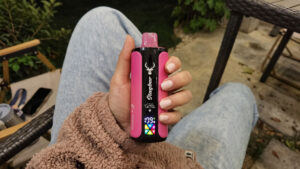
StagBar Vape 6in1 180K Puffs Disposable
The Stagbar 6-in-1 featuring a unique 6-flavor system and six independent mesh coils, this device allows users to switch between six distinct tastes in one sleek unit, delivering an unprecedented 180,000 puffs.
Summary of Common Violations and Penalties in Poland
| Violation Type | Legal Basis / Authority | Maximum Penalty |
|---|---|---|
| Neglecting animal care or safety | Art. 77 Code of Petty Offenses | Up to 1,000 PLN fine or reprimand |
| Failing to leash or losing a dog | Local Municipal Codes | 500 PLN fine |
| Failing to vaccinate dog for rabies | Veterinary Regulations | Fine and mandatory compliance order |
| Unsupervised child under 7 on roads | Traffic Law / Code of Petty Offenses | Administrative warning or fine |
| Transporting child under 150cm without car seat | Road Traffic Act | Fine and penalty points |
| Drinking alcohol in public spaces | Municipal Regulations | Fine (varies by municipality) |