Polish President Karol Nawrocki has signed three statutory amendments updating national tax regulations. The revised laws alter obligations for corporate entities, buyers of secondhand items, and e-cigarette consumers, with staggered implementation dates extending through 2027.
Higher Excise Taxes on Vapes and E-Liquids
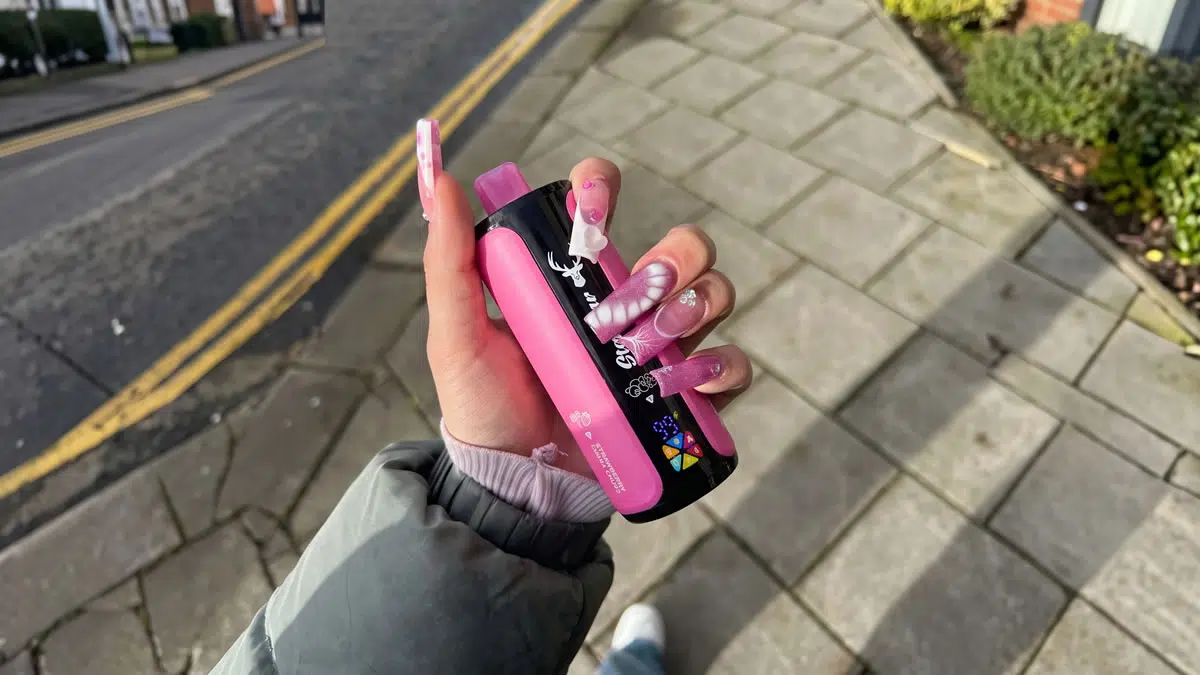
Effective January 1, 2027, the government will change how electronic cigarettes are taxed by shifting focus from cartridges to power and control units. The legislation raises excise rates across all vaping hardware, component sets, and liquid refills to tighten market regulation.
| Taxed Item | Current Excise Rate | New Rate (Effective Jan 1, 2027) |
|---|---|---|
| Vaping devices and component kits | 40 PLN per unit | 50 PLN per unit |
| E-cigarette liquid | 1.80 PLN per ml | 2.20 PLN per ml |
The Ministry of Finance reported that these adjustments aim to close tax collection loopholes surrounding vaping hardware. Official ministry estimates project the revised duties will generate 435 million PLN in additional state budget revenue annually.
Tax Relief for Secondhand Goods
Buyers using platforms like Vinted or purchasing used vehicles, furniture, and clothing will receive tax relief under an amendment dated September 18, 2026. The exemption threshold for the Civil Law Transactions Tax (PCC) will increase from 1,000 PLN to 3,000 PLN. Transactions below 3,000 PLN will no longer incur the tax. This measure takes effect 14 days after its official publication in the Journal of Laws.
Corporate Rule Changes for PIT and CIT
For corporate entities and self-employed individuals, the signed legislation eliminates income tax penalties associated with payments made to bank accounts outside the official “white list,” as well as penalties for bypassing mandatory split payments.
Piotr Juszczyk, chief tax adviser at inFakt, stated that the relief applies to approximately 2 million PIT taxpayers operating under general rules and 300,000 CIT taxpayers. The exemption applies strictly to invoices issued on or after January 1, 2027, based on invoice date rather than transfer date. Corresponding VAT sanctions will remain in place.
The package also updates local tourism fees. Visitors staying in hotels, guest houses, and health resorts must pay daily charges based on the number of nights stayed, with stays exceeding 30 days exempt from the levy.







