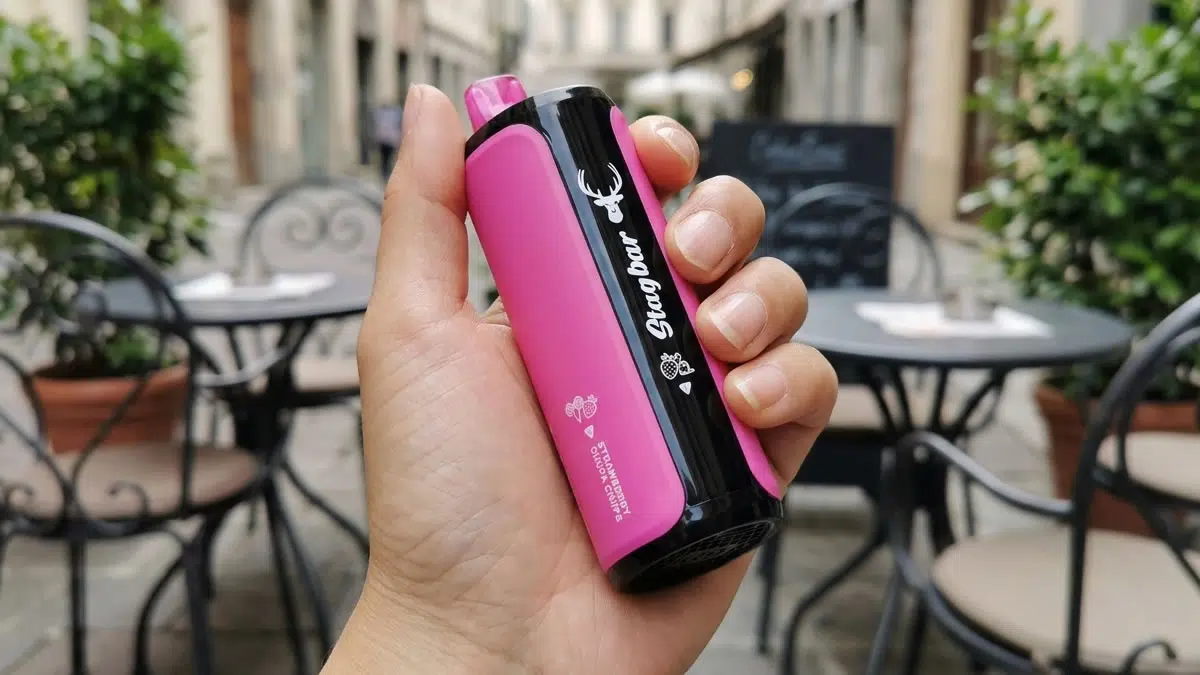
Transitioning from smoking to vaping succeeds because it addresses both the chemical addiction to nicotine and the physical, hand-to-mouth behavioral habits of smoking. By choosing the correct nicotine strength, selecting a user-friendly device, and following a structured four-week transition phase, smokers can systematically eliminate combustible tobacco and reduce their health risks.
- Higher Success Rates: Clinical data shows that smokers using nicotine vapes are up to twice as likely to quit successfully compared to those using traditional nicotine replacement therapies like patches or gum.
- Substantial Harm Reduction: Leading health agencies state that vaping is 95% safer than smoking because it eliminates combustion, tar, and carbon monoxide.
- Dual-Action Replacement: Vaping replicates the sensory rituals of smoking—such as the throat hit, inhalation, and hand-to-mouth motion—making the psychological transition manageable.
- Clear Financial Savings: Switching from a pack-a-day smoking habit to a refillable pod system can save users over $2,000 annually.
Nearly 70% of adult smokers in the United States want to quit completely, according to the Centers for Disease Control and Prevention (CDC). Yet, the vast majority of unassisted quit attempts end in relapse. Nicotine is highly addictive, but the challenge of quitting is compounded by behavioral habits. Traditional cessation aids like patches and gums often fail because they only address the chemical dependency, leaving the physical rituals of smoking unfulfilled.
For those who have struggled with traditional methods, electronic cigarettes offer a viable alternative. Over the past decade, millions of smokers have used vaping as a bridge to a smoke-free life. This guide provides a factual, step-by-step framework to help you navigate the transition from smoking to vaping successfully.
The Science of Vaping vs. Smoking
To understand why vaping is an effective tool for smoking cessation, it is necessary to examine the physical differences between vapor and tobacco smoke. The primary danger of smoking does not stem from nicotine, but from combustion.
Combustion vs. Aerosolization
When tobacco burns, it creates smoke containing more than 7,000 chemicals, at least 70 of which are known carcinogens, as detailed by the U.S. Food and Drug Administration (FDA). This combustion process produces tar and carbon monoxide, the primary drivers of lung disease, cardiovascular damage, and cancer in smokers.
E-cigarettes do not burn tobacco. Instead, they use a battery-powered heating element to aerosolize a liquid solution (e-liquid). Because there is no combustion, the vapor contains only a tiny fraction of the chemicals found in tobacco smoke. According to an independent review published by Public Health England, vaping is estimated to be 95% safer than smoking cigarettes.
What is in E-Liquid?
Unlike tobacco, which contains thousands of unknown chemical byproducts, regulated e-liquids are manufactured with four primary ingredients:
- Propylene Glycol (PG): A thin, odorless liquid that carries flavor and replicates the “throat hit” sensation that smokers crave.
- Vegetable Glycerin (VG): A thicker, sweet liquid derived from plant oils that produces the visible vapor cloud. Both PG and VG are classified as “generally recognized as safe” (GRAS) by the FDA for use in food and cosmetics.
- Food-Grade Flavorings: Concentrated flavorings used to create tobacco, menthol, fruit, or dessert profiles.
- Nicotine: Pharmaceutical-grade nicotine, which can be adjusted in concentration or omitted entirely.
While nicotine is highly addictive, it is not the cause of cancer or lung disease. As noted by New York State Smoker’s Quitline, the health hazards of smoking are caused by the toxic additives and tar produced by burning tobacco, not the nicotine itself.
Why Vaping Succeeds Where Traditional NRTs Fail
Traditional Nicotine Replacement Therapies (NRTs), such as patches, gums, and lozenges, have a high failure rate. Studies indicate that up to 90% of smokers who attempt to quit using these methods relapse within the first year. The reason lies in the “dual addiction” of smoking.
The Dual Addiction: Chemical and Behavioral
Smoking is both a chemical addiction to nicotine and a deeply ingrained behavioral routine. Smokers are accustomed to specific physical actions: holding a cigarette, the act of inhalation and exhalation, the sensory “throat hit,” and taking structured breaks throughout the day.
A nicotine patch delivers nicotine slowly through the skin over several hours, failing to satisfy acute cravings or replace the physical rituals of smoking. Nicotine gum requires a specific chewing technique and does not replicate the hand-to-mouth action. Vaping, however, addresses both aspects of the addiction simultaneously. It delivers nicotine to the bloodstream rapidly while preserving the familiar physical rituals.
| Method | Nicotine Delivery Speed | Behavioral Replacement | Estimated Success Rate |
|---|---|---|---|
| Cigarettes | Extremely Fast (10-20 seconds) | Full physical and sensory ritual | N/A (Source of addiction) |
| Vaping (Nicotine Salts) | Fast (20-30 seconds) | Replicates hand-to-mouth, inhalation, and throat hit | High (Double the rate of NRTs) |
| Nicotine Patch | Very Slow (2-4 hours) | None | Low (approx. 6-8%) |
| Nicotine Gum | Moderate (15-30 minutes) | Oral fixation only; no physical ritual | Low (approx. 6-10%) |
A systematic review by the Lancet confirmed that smokers using nicotine-containing e-cigarettes were more likely to achieve long-term abstinence than those using patches or placebos. This is supported by the Cochrane Tobacco Addiction Group, which analyzed dozens of clinical trials and concluded that nicotine e-cigarettes help more people quit smoking than traditional NRTs.
Step-by-Step: The 4-Week Transition Protocol
Switching from smoking to vaping is a process that requires adjustment. This structured four-week protocol is designed to minimize withdrawal symptoms and prevent relapse.
Week 1: The Dual-Use Phase
The goal of the first week is to become accustomed to your vaping device without forcing yourself to quit cigarettes cold turkey. Overnight pressure often leads to anxiety and failure.
- The 5-Minute Rule: Every time you feel the urge to smoke a cigarette, vape for five minutes first. If the craving persists after five minutes, allow yourself to smoke.
- Identify Patterns: Note which cigarettes are easily replaced by vaping and which ones (such as the morning or post-meal cigarette) are the hardest to skip.
- Expectation: Your cigarette consumption should naturally decrease by 30% to 50% during this week as your brain begins to accept vapor as a source of nicotine.
Week 2: The Substitution Phase
During week two, you will actively replace specific, high-trigger cigarettes with your vaping device.
- Target Trigger Moments: Commit to replacing your “routine” cigarettes—such as those during your commute, work breaks, or social gatherings—entirely with vaping.
- Observe Taste Changes: As your taste buds begin to recover from tobacco smoke, you will notice that actual cigarettes start to taste harsh, bitter, and unpleasant.
- Goal: Reduce your daily cigarette intake to fewer than five.
Week 3: The Elimination Phase
This is the week you completely eliminate combustible tobacco from your routine.
- Set a Quit Date: Choose a specific day in Week 3 to stop smoking entirely.
- Remove Temptation: Throw away all remaining cigarettes, lighters, and ashtrays from your home, car, and workplace. Clean your environment to remove the lingering smell of stale smoke.
- Vape Freely: Do not restrict your vaping frequency during this week. When a craving hits, vape until it passes. You are fighting the behavioral urge to smoke, so your vape is your primary defense.
Week 4: The Reinforcement Phase
By week four, you should be completely smoke-free. The focus now shifts to solidifying your new habits.
- Monitor Physical Improvements: Notice the return of your sense of smell, easier breathing during physical activity, and the absence of a morning cough.
- Avoid High-Risk Triggers: Be cautious during social events or high-stress moments where you would normally reach for a cigarette. Keep your vaping device fully charged and close at hand.
- Commitment: Maintain your current vaping routine and nicotine strength. Do not attempt to lower your nicotine level during this month; your primary objective is to stay away from cigarettes.

StagBar Vape 6in1 180K Puffs Disposable
The Stagbar 6-in-1 featuring a unique 6-flavor system and six independent mesh coils, this device allows users to switch between six distinct tastes in one sleek unit, delivering an unprecedented 180,000 puffs.
Choosing the Right Vape Device for Quitting
Selecting the wrong equipment is a common reason why some smokers fail to transition successfully. For beginners, simplicity and replication of the smoking sensation are key.
1. Disposable Vapes
Disposable vapes are pre-filled, pre-charged devices designed for single use. They require no setup, refilling, or coil changes. Once the e-liquid is finished or the battery dies, the entire unit is discarded.
- Best For: Smokers who want to try vaping immediately with zero upfront learning curve before committing to a reusable system.
- Pros: Ready to use immediately out of the box, highly portable, and requires no technical knowledge.
- Cons: Highest cost over time, generates plastic and lithium battery waste, and offers no customization for airflow or power.
2. Pod Systems
Pod systems are compact, low-powered devices that use refillable or pre-filled plastic pods instead of glass tanks. They are designed for Mouth-to-Lung (MTL) vaping, which closely mimics the tight draw of a traditional cigarette. Pod systems work best with nicotine salt e-liquids, providing a smooth throat hit and rapid nicotine delivery without requiring technical knowledge of wattage or coil building.
3. Vape Pens
Vape pens are cylindrical, simple devices that offer a middle ground between pod systems and larger mods. They typically feature a single-button operation and are highly portable, making them ideal for smokers who want an intuitive, hassle-on-the-go experience.
4. Box Mods (Advanced)
Box mods are larger, high-powered devices featuring customizable settings, screens, and external batteries. They are designed for Direct-to-Lung (DTL) vaping, producing large vapor clouds. Because they operate at high wattages, they are not suited for high-strength nicotine or nicotine salts, as this would deliver too much nicotine at once and cause irritation.
Nicotine Strength Calculator: Finding Your Match
To satisfy your cravings, you must match your e-liquid nicotine strength to your previous smoking habits. Choosing a strength that is too low will leave you unsatisfied and prone to relapse, while choosing a strength that is too high can cause headaches or mild nausea.
Understanding Nicotine Types
- Nicotine Salts: Formulated with an acidic additive (usually benzoic acid) to lower the pH level. This allows for smooth inhalation at high concentrations (20mg/ml to 50mg/ml) and rapid absorption into the bloodstream, mimicking the speed of a cigarette.
- Freebase Nicotine: The traditional form of liquid nicotine. It has a higher pH, which creates a stronger, harsher throat hit at higher concentrations. It is best used in lower strengths (3mg/ml to 12mg/ml) for moderate or light smokers.
Recommended Strengths Based on Smoking Habits
- Light Smoker (Fewer than 10 cigarettes per day):
- Nicotine Salts: 10mg/ml to 20mg/ml
- Freebase Nicotine: 3mg/ml to 6mg/ml
- Moderate Smoker (10 to 20 cigarettes per day / up to 1 pack):
- Nicotine Salts: 20mg/ml to 35mg/ml
- Freebase Nicotine: 6mg/ml to 12mg/ml
- Heavy Smoker (More than 20 cigarettes per day / 1+ packs):
- Nicotine Salts: 35mg/ml to 50mg/ml
- Freebase Nicotine: 12mg/ml to 18mg/ml
Common Pitfalls and How to Avoid Them
Many smokers encounter obstacles during their transition. Being aware of these common mistakes can help you maintain your smoke-free progress.
1. Purchasing Low-Quality Hardware
Cheap, unreliable devices purchased from gas stations often leak, suffer from short battery life, or deliver poor flavor. When a device fails at a critical moment, smokers often return to cigarettes out of convenience. Invest in a reliable pod system from a dedicated vape shop.
2. Rushing to Reduce Nicotine Levels
The primary goal of this transition is to stop inhaling tobacco smoke, which contains deadly tar and carcinogens. Nicotine itself carries relatively low health risks. Attempting to lower your nicotine strength too quickly during the first few months can trigger intense cravings and lead to a relapse. Remain at your starting nicotine level until you have been completely smoke-free for at least three to six months.
3. Neglecting Spare Parts and E-Liquid Supplies
Coils and pods are consumable items that must be replaced every one to two weeks as they wear out and lose flavor. Always keep spare coils, charged batteries, and extra e-liquid on hand. Running out of supplies in a stressful moment is a common trigger for buying a pack of cigarettes.
Financial Breakdown: Smoking vs. Vaping
In addition to health benefits, switching to vaping provides immediate financial relief. Combustible cigarettes are heavily taxed, making them an expensive daily habit.
| Expense Category | Cigarette Smoking (1 Pack/Day) | Refillable Pod System Vaping |
|---|---|---|
| Initial Setup Cost | \$0.00 | $30.00 – $45.00 (Device kit) |
| Weekly Consumables | $56.00 (7 packs @ avg $8.00/pack) | \$15.00 (E-liquid & replacement pod) |
| Monthly Cost | \$240.00 | \$60.00 |
| Annual Total Cost | \$2,920.00 | $720.00 – $765.00 (including device) |
| Estimated Annual Savings | — | Over \$2,100.00 |

StagBar Vape 4in1 80K Puffs Disposable
The Stagbar 4-in-1 80,000 is a revolutionary high-capacity disposable featuring 4 flavors and 4 independent mesh coils in one device, delivering an industry-leading 80,000 puffs.
Frequently Asked Questions
-
Is vaping completely safe?
No aerosol is completely harmless, and non-smokers should not start vaping. However, for current smokers, vaping is a harm-reduction tool. Because it eliminates the combustion of tobacco, it is estimated by major public health organizations to be 95% less harmful than smoking cigarettes.
-
Will vaping cause “popcorn lung”?
Popcorn lung (bronchiolitis obliterans) is a rare lung condition linked to diacetyl, a chemical once used as a buttery flavoring agent in some early e-liquids. Reputable e-liquid manufacturers removed diacetyl from their formulations years ago. There are no confirmed cases of popcorn lung linked to the use of regulated commercial e-cigarettes.
-
Can I vape indoors?
While vapor does not leave the yellow tar stains or persistent odor associated with cigarette smoke, indoor vaping is subject to the same legal restrictions as smoking in many municipalities. Always check local laws and business policies, and practice courtesy by not vaping in enclosed public spaces.
-
What should I do if vaping makes me cough?
Coughing is common during the first few days of vaping. This occurs because your lungs are beginning to clear out accumulated debris from smoking, and because your throat is adjusting to the physical sensation of Propylene Glycol (PG). If coughing persists, try a higher-VG e-liquid or lower your nicotine strength.
-
How do I know when to change my vape coil or pod?
Vape coils and pods typically last between one and two weeks depending on your usage. You will know it is time for a replacement when the vapor begins to taste slightly burnt, the flavor of your e-liquid diminishes, or the device produces less vapor than usual.
Disclaimer: This guide is intended for informational and educational purposes only and does not constitute medical advice. Electronic cigarettes are designed as a harm-reduction alternative for adult smokers. Vaping products contain nicotine, which is highly addictive. Non-smokers, pregnant individuals, and minors should not use vaping products.


