If you have transitioned from traditional combustible cigarettes to electronic nicotine delivery systems (e-cigarettes or vapes), you already know the major benefits: no lingering smoke odor, no yellow tar stains, and a massive reduction in exposure to toxic tobacco combustion chemicals.
However, as vaping has grown in popularity, a frequent question has surfaced in dental clinics and online forums alike: Does vaping cause cavities?
The short answer is that while e-cigarette aerosol does not directly eat away at tooth enamel the way acid or pure sugar does, the ingredients in e-liquids can create an environment in your mouth that makes tooth decay more likely if hygiene is neglected.
This article explores the scientific connection between vaping and dental health, compares the oral impact of vaping against traditional smoking, and provides a practical care checklist to keep your teeth and gums healthy.
Quick Summary: The Vaper’s Dental Guide
- Can vaping contribute to cavities? Yes. Carrier liquids like Propylene Glycol (PG) and Vegetable Glycerin (VG) can cause dry mouth and leave a sticky film on enamel, allowing cavity-causing bacteria to thrive.
- Is vaping better for your teeth than smoking cigarettes? Absolutely. Vaping eliminates heavy combustion tars, dramatically reduces severe tooth discoloration, and lowers the risk of destructive periodontal bone loss compared to smoking.
- How can you prevent dental issues while vaping? Stay well-hydrated, rinse your mouth with water after vaping sweet flavors, brush with fluoride toothpaste, chew xylitol gum, and maintain regular dental cleanings.
The Science: How Vaping Interacts with Tooth Enamel
To understand how vaping influences cavity risk, it helps to look at what happens inside your mouth when aerosolized e-liquid is inhaled. E-liquids consist of four main components: Propylene Glycol (PG), Vegetable Glycerin (VG), flavorings, and nicotine.
1. Dry Mouth (Xerostomia) and PG
Both Propylene Glycol and Vegetable Glycerin act as humectants – substances that attract and absorb water molecules. When you inhale vape aerosol, PG draws moisture away from the oral mucosa and soft tissues, leading to localized dehydration or dry mouth (xerostomia).
Saliva is your mouth’s primary natural defense system. It washes away lingering food particles, neutralizes plaque acids, and delivers essential calcium and phosphate to remineralize enamel. When saliva flow decreases, plaque bacteria can reproduce more rapidly and produce acids undisturbed.
2. The VG “Sticky” Effect
Vegetable Glycerin is a dense, viscous polyol that creates the thick vapor clouds vapers enjoy. However, aerosolized VG leaves an invisible, tacky film across enamel surfaces and interproximal crevices.
When combined with sweet or fruity flavoring agents, this sticky coating acts as a magnet for Streptococcus mutans – the primary bacteria responsible for human tooth decay. Research shows that S. mutans adheres up to four times more efficiently to tooth surfaces coated in VG-rich aerosol compared to non-exposed enamel.
3. What Research Shows
A study led by researchers at the Tufts University School of Dental Medicine and published in The Journal of the American Dental Association (JADA) analyzed clinical records from over 13,000 dental patients. The study found that 79% of patients who used e-cigarettes were classified as having a high risk for developing dental cavities, compared to 60% of non-vapers in the control group.
Interestingly, dentists often notice that vapers develop carious lesions on the smooth edges of their front teeth – areas that are usually self-cleansing and rarely develop cavities in non-vapers – because aerosol directly hits these front surfaces during inhalation.
Vaping vs. Cigarette Smoking: A Harm Reduction Perspective
While it is important to acknowledge the potential cavity risks associated with e-liquids, it is equally important to view these risks through a tobacco harm reduction lens. For current or former smokers, switching to e-cigarettes represents a major step forward for oral health.
No Combustion Tar, Brighter Teeth
Combustible tobacco smoke contains thousands of chemical byproducts, including heavy tars that bind stubbornly to enamel. Over time, smoking causes deep yellow, brown, or leathery black stains that are notoriously difficult to remove.
E-cigarette aerosol contains no tar. Clinical measurements using the Whiteness Index for Dentistry (WID) demonstrate that while active cigarette smokers average a dull 13.38 WID score, exclusive e-cigarette users achieve an average score of 16.72 WID—closely approaching the natural whiteness of non-smokers (19.96 WID). Transitioning from smoking to vaping eliminates new tar staining and helps restore aesthetic confidence.
Reduced Risk of Severe Periodontal Bone Loss
Cigarette smoking is the leading environmental risk factor for severe periodontitis (advanced gum disease). Tobacco smoke destroys periodontal ligament fibers and accelerates irreversible alveolar bone loss around tooth roots.
In contrast, systematic reviews comparing long-term dental outcomes show that while e-cigarette users may experience mild tissue irritation, they display significantly lower probing pocket depths and virtually no accelerated bone loss when compared to traditional smokers. A clinical evaluation showed that 72.5% of cigarette smokers presented with active periodontal infections, compared to 42.5% of e-cigarette users.
Cytotoxicity Comparison
In vitro laboratory studies confirm that while vape vapor is not completely inert, its cytotoxic effect on oral epithelial cells and human gingival fibroblasts is vastly reduced compared to the destructive cellular damage caused by combustible cigarette smoke.
| Oral Health Parameter | Non-Smokers (Control) | E-Cigarette Users (ENDS) | Combustible Tobacco Smokers |
| Primary Cavity Risk | Baseline (driven by diet & hygiene) | Elevated (dry mouth & VG film) | Moderate-to-High (poor clearance & dry mouth) |
| Tooth Staining & Color Index | Brightest (~19.96 WID units) | Minimal Staining (~16.72 WID units) | Severe Tar Staining (~13.38 WID units) |
| Probing Pocket Depth (PPD) | Normal clinical levels (< 3mm) | Slightly Elevated (minimal deep pockets) | Severely Elevated (deep pockets > 3mm) |
| Marginal Bone Destruction | No pathological loss | Minimal to None | Severe & Progressive |
| Cellular Damage / Cytotoxicity | Normal cell profile | Low (similar to non-smokers) | High (tissue damage & high cancer risk) |
Beyond Cavities: Nicotine and Gum Vigilance
Nicotine itself plays a distinct role in oral physiology. It acts as a vasoconstrictor, meaning it temporarily narrows microvascular blood vessels in your gingival (gum) tissues.
In clinical terms, this creates a “bleeding paradox.” Normally, early gum inflammation (gingivitis) causes gums to bleed easily when brushed or probed at the dentist. Because nicotine suppresses blood flow, a vaper’s gums might not bleed noticeably even if mild plaque irritation is present underneath.
For this reason, vapers should rely on routine professional evaluations rather than waiting for visible signs like bleeding gums to signal an issue.

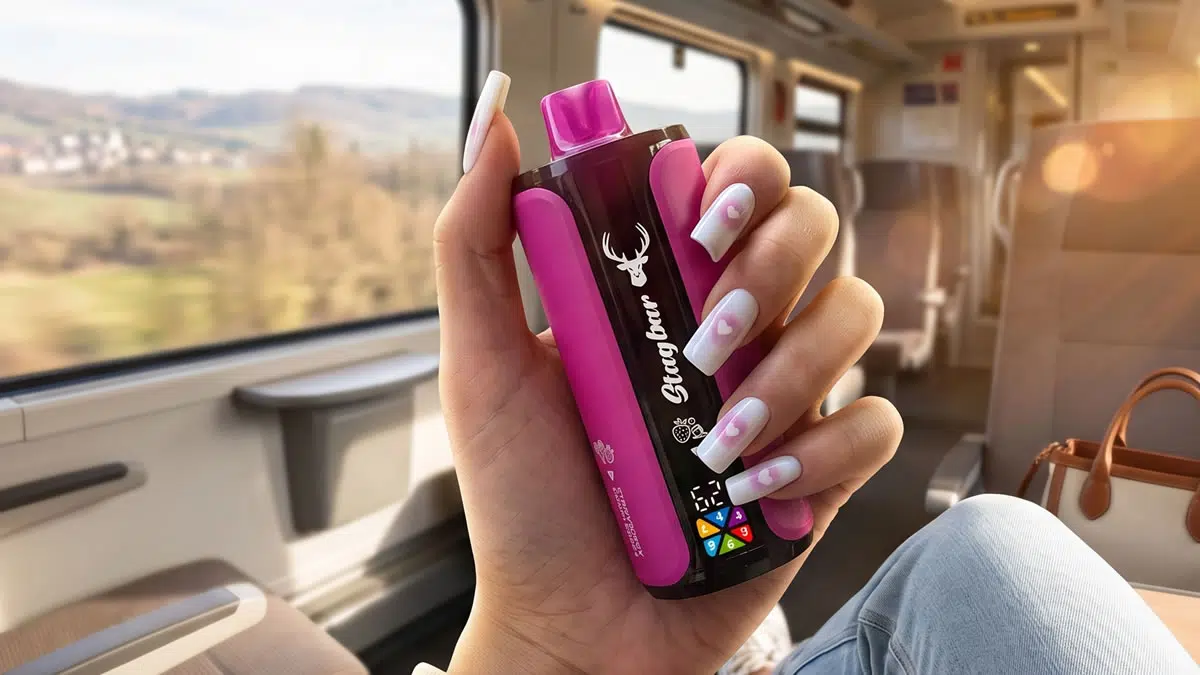
StagBar Vape 6in1 180K Puffs Disposable
The Stagbar 6-in-1 featuring a unique 6-flavor system and six independent mesh coils, this device allows users to switch between six distinct tastes in one sleek unit, delivering an unprecedented 180,000 puffs.
The Proactive Vaper’s Dental Survival Kit
You do not have to choose between enjoying your vape and maintaining a healthy smile. Implementing a few simple habits into your daily routine can completely offset the dry-mouth and biofilm risks associated with PG and VG.
- Hydrate Constantly: Drink plenty of water throughout the day, especially while vaping. Hydration helps replenish natural saliva, flushing away sticky VG residue and maintaining optimal mouth pH.
- Rinse with Water After Vaping: After using sweet, dessert, or fruit-flavored e-liquids, swish your mouth with plain water. This simple step removes lingering carrier fluids before plaque bacteria can process them.
- Brush with Fluoride Toothpaste: Brush your teeth twice daily for two minutes using a fluoride toothpaste. Fluoride strengthens enamel hydroxyapatite crystals, making them far more resistant to acidic plaque attacks. If you are at higher risk for decay, ask your dentist if a prescription high-strength fluoride toothpaste ($5,000\text{ ppm}$) is right for you.
- Chew Xylitol Gum: Xylitol is a natural sugar alcohol that actively inhibits Streptococcus mutans growth while stimulating natural saliva flow to prevent dry mouth.
- Choose Alcohol-Free Mouthwash: Avoid commercial mouthwashes that contain alcohol, as alcohol further dehydrates oral tissues. Opt for hydrating, alcohol-free fluoride rinses.
- Be Honest with Your Dentist: Tell your dental hygienist and dentist that you vape. They can monitor smooth-surface enamel areas, apply protective in-office fluoride varnishes, and help you maintain a clean, white smile.
The Bottom Line
Does vaping cause cavities? Vaping itself does not rot teeth, but the dry mouth caused by PG and the sticky environment created by VG and sweet flavors can raise your risk of enamel demineralization if left unchecked.
However, when compared to the destructive tars, deep staining, and severe periodontitis caused by combustible cigarette smoke, vaping remains a significantly less harmful alternative for your teeth and gums. By staying well-hydrated and practicing smart daily oral hygiene, you can protect your enamel and enjoy a bright, healthy smile


