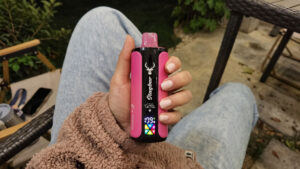
The Bulgarian National Assembly has approved major amendments to the Tobacco, Tobacco Products and Related Products Act, implementing a total ban on disposable vapes and capping nicotine pouch strengths. This legislative crackdown represents a significant tightening of the country’s recreational nicotine market to protect public health.
Under the newly passed second-reading amendments, Bulgaria has prohibited the sale, offering, and use of single-use electronic cigarettes, commonly known as disposable vapes. The law strictly defines these as non-refillable and non-rechargeable devices factory-filled by the manufacturer. Reusable vape systems, refill containers, and cartridges remain legal and are excluded from this ban.
Furthermore, parliamentarians targeted oral nicotine alternatives. The law now bans the sale and offering of nicotine pouches and snus containing more than 20 mg of nicotine per unit. Retailers holding stock of nicotine products that do not meet these new legal requirements will be granted a one-month grace period to clear their shelves after the amendments are officially published.
In an effort to address the growing popularity of nicotine-free alternatives, the legislation also introduces new packaging mandates. Refillable electronic cigarettes, containers, and liquids that do not contain nicotine must now carry a prominent health warning on their consumer and outer packaging stating: “This product poses a risk to your health.”
Beyond vaping, the legislative package also addresses youth health by banning the sale, offering, and use of high-caffeine energy drinks to children.
| Product Category | New Legal Status / Requirement |
|---|---|
| Disposable Vapes (Nicotine & Nicotine-Free) | Completely banned from sale and offering. |
| Nicotine Pouches & Snus | Banned if nicotine content exceeds 20 mg per unit. |
| Nicotine-Free Refillables & Liquids | Permitted, but must display a health warning label. |
| High-Caffeine Energy Drinks | Sale and offering prohibited to minors. |
These regulatory updates align Bulgaria with a growing number of European nations seeking to curb youth vaping and restrict access to high-strength alternative nicotine products.