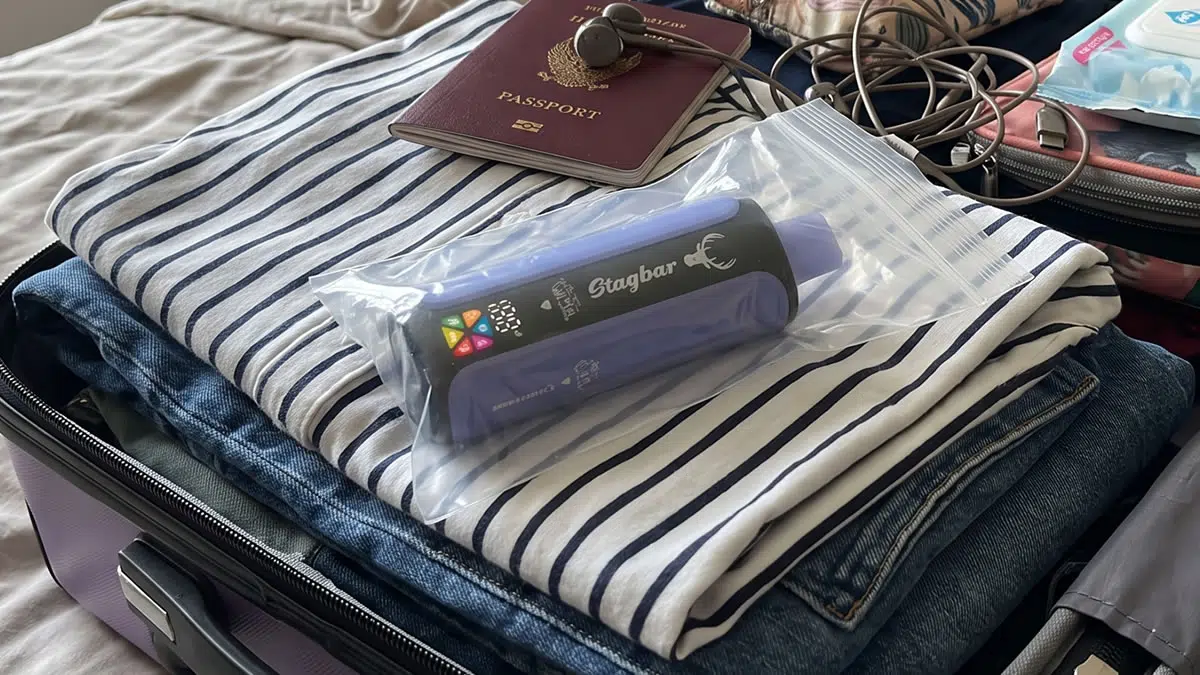
No, you cannot pack disposable vapes in a checked suitcase. Aviation authorities, including the FAA, TSA, UK CAA, and IATA, strictly require all electronic cigarettes and lithium-ion battery devices to travel inside carry-on hand luggage to prevent inaccessible cargo fires.
- Cabin Baggage Only: All vape hardware, disposable units, and spare batteries must remain in the passenger cabin.
- Fire Hazard in the Hold: Lithium-ion cells can enter thermal runaway, reaching temperatures up to 500°C within seconds.
- Security Penalties: Vapes detected in checked bags will be confiscated by baggage screeners, often causing severe flight delays.
- Zero In-Flight Use: Vaping and charging devices on commercial aircraft are strictly prohibited by law.
Aviation security agencies prohibit travelers from packing disposable vapes and electronic cigarettes inside checked suitcases. Because disposable vapes contain integrated lithium-ion batteries, packing them in the cargo hold violates mandatory flight safety regulations established by international civil aviation bodies.
Whether traveling domestically or abroad, passengers must transport all vaping hardware in their carry-on baggage. Violating these rules risks baggage delays, property confiscation, and legal penalties at airport security checkpoints.
Aviation Safety Regulations: Checked vs. Hand Luggage
The rules governing e-cigarettes are enforced by organizations like the Federal Aviation Administration (FAA), the Transportation Security Administration (TSA), the UK Civil Aviation Authority (CAA), and the International Air Transport Association (IATA). These agencies treat all lithium-powered items as hazardous materials.
| Vaping Item / Component | Checked Suitcase (Cargo Hold) | Carry-On Bag (Cabin) |
|---|---|---|
| Disposable Vapes (All-in-one units) | Prohibited (Strictly Forbidden) | Permitted (Must remain switched off) |
| Rechargeable Pod Kits and Box Mods | Prohibited with battery inside | Permitted |
| Loose Lithium Batteries (18650/21700) | Prohibited | Permitted (In protective terminal cases) |
| E-Liquid Bottles (Under 100ml) | Permitted | Permitted (Inside 1-quart liquid bag) |
| E-Liquid Bottles (Over 100ml) | Permitted (Pack carefully against leaks) | Prohibited by airport liquid rules |
Why Disposable Vapes Pose Severe Fire Hazards in Aircraft Holds
The restriction against placing vapes in cargo holds is driven by battery chemistry. Data from UL Standards indicates that e-cigarettes account for approximately 28% of all in-flight battery thermal-runaway incidents, despite being carried by a minority of airline passengers.
Disposable units present specific technical risks that make them unstable inside baggage compartments:
- Lack of Internal Protection Circuits: Unlike regulated mods and advanced pod systems that contain microchips to regulate voltage and temperature, disposable vapes feature direct electrical connections between the cell and the heating element. An internal short circuit cannot be stopped electronically.
- Fragile Outer Shells: Most single-use devices use lightweight plastic casings. Baggage handling machinery, conveyor impacts, and the weight of stacked luggage can crack the exterior, puncturing the lithium-ion cell.
- Extreme Thermal Runaway: A failing lithium-ion cell can reach temperatures exceeding 500°C within seconds. If this happens in the passenger cabin, flight attendants equipped with specialized fire containment bags can neutralize the threat immediately. In contrast, a fire inside an unmonitored cargo hold is difficult to suppress quickly.
- Temperature Variations: Tarmac delays during summer months can drive cargo hold temperatures to 40°C, accelerating battery stress and increasing internal pressure.
What Happens When Airport Security Scans Your Checked Bag
Airport security scanners readily detect the high-density materials found in lithium batteries and vape coils. When a screening agent identifies an e-cigarette inside a checked suitcase, standard protocols are triggered:
- Baggage Interception: The suitcase is pulled from the automated loading line and directed to a secondary manual inspection area.
- Physical Removal: Security personnel open the luggage, remove the prohibited device, and place an official confiscation notice inside your bag.
- Flight Delays and Missing Bags: If the luggage cannot be cleared before departure, it is held back from the flight. Passengers often land at their destination only to discover their luggage has been retained at the departure airport.
Best Practices for Packing Vapes in Hand Luggage
Transporting vaping gear in your cabin baggage requires practical precautions to prevent liquid damage and accidental battery activation during transit:
- Prevent Cabin Leaks: Cabin pressure drops during ascent, forcing air inside pods and e-liquid chambers to expand. This pressure differential pushes liquid out through the airflow vents. Always travel with empty tanks, or store pre-filled disposables inside sealed, airtight plastic bags.
- Eliminate Accidental Firing: Draw-activated disposables can trigger if packed tightly against other objects. Keep devices in a hard-shell accessory case, and leave the silicone mouthpiece plugs and airflow stickers intact until arrival.
- Observe Quantity Limits: While transport security agencies do not always set an exact numerical cap on disposables, devices must be strictly for personal use. Carrying dozens of identical units may lead customs officers to suspect commercial importation.
- Do Not Charge In-Flight: Commercial airlines strictly ban charging vaping hardware via seat power outlets or external battery banks during flights.

StagBar Vape 4in1 80K Puffs Disposable
The Stagbar 4-in-1 80,000 is a revolutionary high-capacity disposable featuring 4 flavors and 4 independent mesh coils in one device, delivering an industry-leading 80,000 puffs.
International Destination Laws and Confiscation Risks
Passing airport security does not guarantee that your vape is legal at your destination. Aviation rules govern flight safety, while national customs laws govern product legality.
Countries with severe anti-vaping legislation include:
- Thailand: Strict bans cover both possession and importation. Travelers caught with e-cigarettes face heavy fines or detention.
- Singapore: Vaping is illegal. Possession can result in fines up to SGD $2,000, and commercial importation triggers severe criminal penalties.
- India: The production, import, and sale of electronic cigarettes are banned nationally under the PECA Act.
- Australia: Nicotine vapes require a valid medical prescription and must enter through tightly regulated therapeutic frameworks.
Frequently Asked Questions
-
Can I pack disposable vapes in my checked luggage if the battery is dead?
No. Even a depleted lithium-ion battery contains residual electrical energy and chemical compounds that can short-circuit. Airport screeners cannot verify battery charge levels and will remove all disposable vapes from checked bags regardless of status.
-
How many disposable vapes am I allowed to bring on an airplane?
Most airlines permit between 15 and 20 individual devices in cabin baggage, provided they are clearly intended for personal use. Packing excessive commercial quantities can result in questioning by customs officials upon arrival.
-
Do disposable vapes count as liquids at airport security checkpoints?
The small volume of e-liquid sealed inside a disposable device is generally treated as an integral component of the electronic unit. However, standalone refill bottles must adhere to the 100ml liquid limit and be packed in your clear quart-sized toiletries bag.
-
Can I use my vape in the airplane lavatory if I blow the vapor away?
No. Modern aircraft smoke detectors rely on optical sensors that detect dispersed aerosol particles as easily as tobacco smoke. Using a vape anywhere onboard is a federal and international aviation crime resulting in fines and flight bans.
-
What should I do if my vape begins heating up in my carry-on bag?
Immediately notify a flight attendant. Cabin crew members are trained in handling lithium battery thermal events and carry specialized fire-retardant containment gear to neutralize overheating devices safely.
Disclaimer: This article is provided for informational and educational purposes only and does not constitute formal legal or aviation safety counsel. Airline policies, hazardous material protocols, and national customs laws change frequently. Travelers must verify current travel guidelines directly with their operating airline and local government authorities prior to departure.


