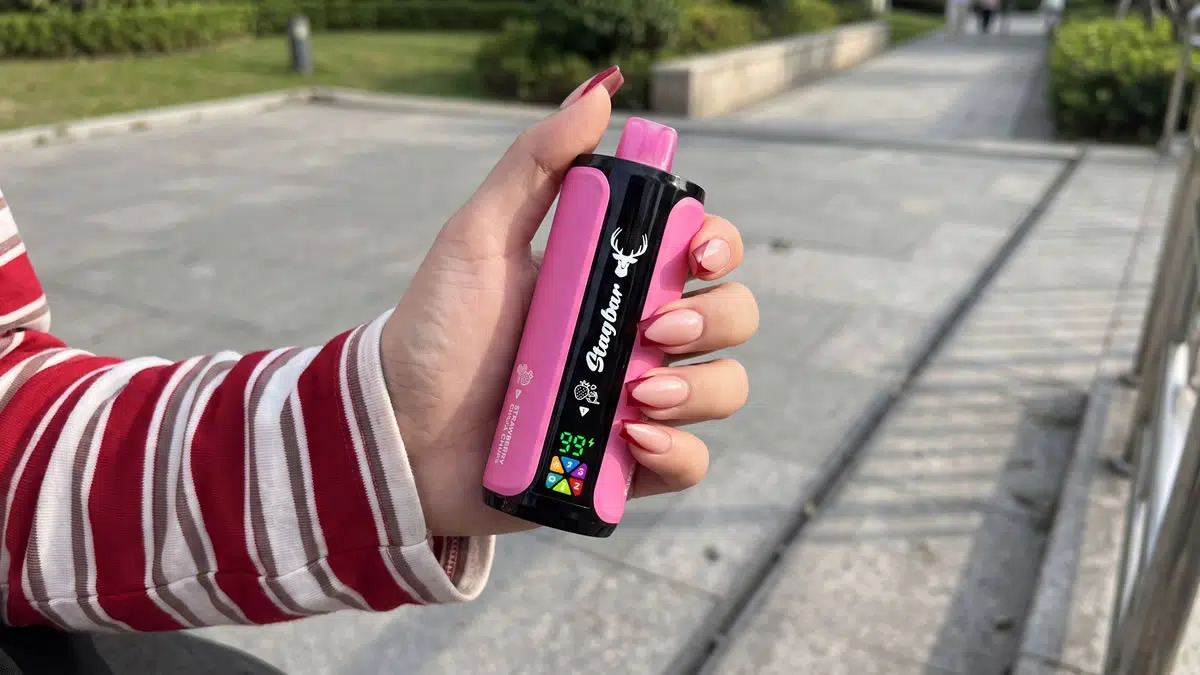
On October 29, 2026, the United Kingdom enforced new restrictions under the Tobacco and Vapes Act 2026, closing commercial loopholes that allowed minors to access non-nicotine vapes and nicotine pouches. The rollout introduces criminal penalties for proxy purchasing and prohibits promotional giveaways aimed at young consumers.
Closing Loopholes for Nicotine Pouches and Non-Nicotine Vapes
While selling nicotine-containing e-cigarettes to minors was already prohibited, the updated framework extends the under-18 sales ban to non-medicinal nicotine products, such as nicotine pouches, and zero-nicotine vapes. The law targets marketing loopholes by banning free product distribution at public events and festivals, alongside ending steep promotional discounts.
Additionally, the regulations make proxy purchasing an explicit offence. Adults caught buying vapes or alternative nicotine products for individuals under 18 now face direct legal prosecution.
Health Officials Warn Against Youth Nicotine Addiction
Chief Medical Officer Professor Chris Whitty backed the measures, warning that commercial efforts to market nicotine to minors threaten public health:
“Aiming to addict children and young people under 18 to nicotine of any kind or encouraging them to vape sets them up for lifelong health harms, and is completely unacceptable. New regulations coming in today should make it harder for people and companies to try to make a profit from trying to do this.”
Professor Whitty noted that while adult smokers can use vapes to quit combustible tobacco, non-smokers and youths face unpredictable health risks from inhaling heated chemical compounds into their lungs.
Preparing for the Smoke-Free Generation
Passed by Parliament on a cross-party basis, these enforcement measures represent the initial phase of the Tobacco and Vapes Act 2026. The legislation establishes the foundation for a smoke-free generation, which will make it permanently illegal to sell combustible tobacco to anyone born on or after January 1, 2009.
To assist businesses and local authorities during this regulatory transition, the Institute of Licensing has established a dedicated resource hub detailing retail compliance and enforcement standards.