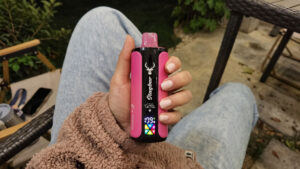
Traveling with vaping equipment requires careful preparation to ensure compliance with transportation laws and airline safety protocols. Many adult vapers assume they can pack their disposable devices in their checked suitcases to save space in their carry-on bags. However, doing so violates strict aviation safety codes.
Failing to follow these guidelines can result in your devices being confiscated at the security gate, baggage delays, or civil penalties from aviation regulators. This guide explains how to pack your disposable vapes legally, the science behind the restrictions, and how to navigate security checkpoints without issues.
Why Checked Luggage is Strictly Prohibited: The Science of Lithium Batteries
The restriction against packing disposable vapes in checked suitcases is not an arbitrary airline preference. It is a safety mandate enforced by the Federal Aviation Administration (FAA) and the Transportation Security Administration (TSA). The primary hazard stems from the integrated lithium-ion batteries used to power these devices.
Understanding Thermal Runaway
Almost all disposable vapes use small, integrated lithium-ion batteries to heat the internal coil and vaporize the e-liquid. Lithium-ion batteries are classified as hazardous materials in transportation because they can undergo “thermal runaway.”
Thermal runaway occurs when an internal short circuit, physical damage, manufacturing defect, or exposure to high temperatures causes a battery cell to enter an uncontrollable self-heating state. This state can rapidly generate extreme heat, release toxic gases, and cause the battery to burst into flames.
If a thermal runaway event occurs in the passenger cabin, the flight crew is trained and equipped with specialized fire extinguishers to contain the hazard immediately. However, if a fire starts in the cargo hold where checked baggage is stored, it is much harder to detect and suppress quickly, posing a severe threat to the aircraft.
Atmospheric Pressure and Cargo Hold Conditions
While modern aircraft cargo holds are pressurized, pressure and temperature can still fluctuate during a flight. Rapid shifts in atmospheric pressure place physical stress on the sealed casing of a disposable vape.
Unlike advanced box mods, disposable vapes are integrated, all-in-one systems. The battery is wired directly to an airflow sensor and heating element, meaning the device cannot be turned off or isolated. This constant state of readiness increases the risk of a malfunction if the casing is compressed or damaged by shifting baggage in the cargo hold.
TSA and Airline Regulations for Carry-On Bags
While disposable vapes are banned from checked baggage, you are permitted to bring them on board in your carry-on luggage or on your person, provided you follow specific rules regarding liquids and battery quantities.
The 3-1-1 Liquids Rule for Disposables
Disposable vapes contain e-liquid, which subjects them to standard airport liquid restrictions. In the United States and many international airports, liquids must be in containers of 3.4 ounces (100ml) or less, and all containers must fit into a single, quart-sized, clear plastic bag.
While security officers often overlook a single, small disposable vape left in a carry-on bag, larger modern disposables holding 10ml to 20ml of e-juice are more likely to attract scrutiny. To prevent delays during X-ray screening, place your disposable vapes and spare pods inside your clear liquids bag along with your toiletries.
Airline-Specific Battery Limits
Aviation authorities allow passengers to carry a reasonable quantity of lithium-ion batteries for personal use. However, individual airlines enforce their own limits on the maximum number of devices or spare batteries permitted in the cabin.
| Airline | Disposable Vape / Battery Limit (In Carry-On) | Checked Baggage Policy |
|---|---|---|
| British Airways | Up to 15 lithium-ion/metal batteries or devices | Strictly Prohibited |
| Ryanair | Up to 20 disposable vapes | Strictly Prohibited |
| easyJet | Allowed for personal use (no strict limit specified) | Strictly Prohibited |
| Virgin Atlantic | Allowed for personal use in cabin only | Strictly Prohibited |
If you plan to travel with more than five disposable devices, contact your airline before departure to verify their specific battery allowance. Carrying an unusually large quantity of identical, sealed vapes may lead security officers to suspect commercial intent, resulting in questioning or confiscation.

StagBar Vape 6in1 180K Puffs Disposable
The Stagbar 6-in-1 featuring a unique 6-flavor system and six independent mesh coils, this device allows users to switch between six distinct tastes in one sleek unit, delivering an unprecedented 180,000 puffs.
International Vaping Regulations: Destination and Transit Laws
Successfully passing through your departure airport’s security is only half the battle. Vaping laws vary globally, and carrying a disposable vape into a country where vaping is restricted or banned can lead to severe legal consequences.
Countries with Absolute Vaping Bans
Several nations have outlawed the import, sale, possession, and use of electronic cigarettes. Arriving in these countries with a vape in your carry-on bag can result in immediate confiscation, steep fines, or detention. Notable countries with strict bans include:
- Singapore: Possession, use, and import of vapes are illegal. Fines for possession can reach up to S$2,000.
- Thailand: Some of the strictest laws globally; possession of vaping devices can result in high fines or prison sentences of up to ten years.
- India: The production, import, export, sale, and distribution of e-cigarettes are entirely prohibited.
- Mexico, Brazil, and Venezuela: These nations have banned the commercialization and import of electronic smoking devices.
Regions with Prescription or Flavor Restrictions
Other jurisdictions allow vaping but enforce strict regulatory hurdles. For example, Australia requires a valid medical prescription from a licensed practitioner to import or use nicotine-containing vapes legally.
In the European Union, the Tobacco Products Directive (TPD) limits e-liquid bottle sizes to 10ml and nicotine concentrations to a maximum of 20mg/ml. Several European countries, such as Finland, Denmark, Lithuania, and the Netherlands, restrict e-liquid flavors to tobacco-only to deter youth appeal.
Practical Packing Tips to Prevent Leaks and Accidental Activation
Once you confirm that your destination allows vaping, you must pack your devices carefully. Proper preparation protects your belongings from e-liquid damage and prevents your devices from malfunctioning during transit.
Preventing Accidental Activation (Ghost Firing)
Most disposable vapes are draw-activated, meaning they fire when air passes through the mouthpiece. However, if a device is packed tightly inside a bag, shifting items can block or compress the airflow intake, causing the device to activate continuously. This “ghost firing” can overheat the coil, melt the plastic casing, and drain the battery before you land.
- Use Protective Covers: Keep the silicone plugs that come with your disposable vapes and reinsert them into the mouthpiece and airflow vents during travel.
- Store in Hard Cases: Place your devices inside a rigid, hard-shell accessory case to protect them from external pressure.
- Keep Devices Powered Off: If your disposable vape features a manual power button or boost-mode switch, ensure the device is completely turned off before packing.
Managing Cabin Pressure Shifts
The drop in air pressure during takeoff causes air inside the e-liquid reservoir to expand. This expansion can force e-liquid out through the mouthpiece or the bottom airflow holes. To minimize leaks:
- Store Devices Upright: Keep the mouthpiece pointing upward in your carry-on bag so that expanding air escapes rather than pushing liquid out.
- Use Double-Sealed Bags: Place all vapes, pods, and e-liquid bottles inside a zip-top plastic bag to contain any leaks and protect your electronics or clothing.
- Travel with Unopened Devices: If possible, keep your disposable vapes sealed in their original airtight foil packaging until you reach your destination.

Airport and In-Flight Rules: What Not to Do
Bringing your vape into the cabin does not mean you are permitted to use it. Compliance with airport and airline rules is mandatory to avoid legal trouble.
Airport Vaping Restrictions
Most modern airports treat vaping exactly like traditional smoking. Vaping inside terminals, lounges, or restrooms is strictly prohibited. You must use designated outdoor smoking areas, which are typically located outside the terminal building before you pass through security. Very few airports maintain indoor smoking cabins after security checkpoints.
The Ban on In-Flight Vaping and Charging
Using an electronic cigarette on a commercial aircraft is a federal offense. Airplane lavatories are equipped with highly sensitive smoke detectors designed to identify both tobacco smoke and e-cigarette vapor. Attempting to “stealth vape” on a plane can trigger these alarms, leading to emergency protocols, diversion of the flight, heavy civil fines (often exceeding $1,000), and arrest upon landing.
Additionally, airlines prohibit charging vaping devices on board. The USB ports located on passenger seats or portable power banks can experience voltage fluctuations, increasing the risk of battery overheating. Keep your devices switched off and packed away for the duration of the flight.
Managing Nicotine Cravings During Long Flights
Because you cannot vape in the airport or on the plane, long-distance travel can trigger nicotine withdrawal. To manage cravings legally and discreetly, consider using alternative nicotine products that do not produce vapor or require batteries:
- Nicotine Pouches: These small, spit-free pouches fit under your upper lip and release nicotine slowly for up to 30 minutes. They are completely smokeless and permitted on all flights.
- Nicotine Gum or Lozenges: Readily available over-the-counter at airport pharmacies, these provide fast-acting relief during travel.


StagBar Vape 4in1 80K Puffs Disposable
The Stagbar 4-in-1 80,000 is a revolutionary high-capacity disposable featuring 4 flavors and 4 independent mesh coils in one device, delivering an industry-leading 80,000 puffs.
Frequently Asked Questions
-
What happens if security finds a vape in my checked luggage?
If TSA or airport security detects a vaping device in a checked bag during X-ray screening, they will open the bag and remove the device. Usually, security personnel will leave a written notice inside your suitcase explaining that the hazardous item was confiscated. In some cases, your luggage may be delayed and fail to make your flight, or you may face fines for violating hazardous materials regulations.
-
Can I bring a rechargeable disposable vape on a plane?
Yes, but it must follow the same rules as standard disposables. It must be packed in your carry-on luggage, and you are strictly prohibited from charging the device using the plane’s USB ports or portable power banks during the flight.
-
Do vape coils and empty replacement pods have to go in carry-on bags?
No. Empty pods, replacement coils, and tank hardware do not contain batteries. You can safely pack these items in your checked luggage. However, if the pods are pre-filled with e-liquid, they should be packed in your carry-on liquids bag to prevent pressure-induced leaks from ruining your checked clothes.
-
How should I pack spare external vape batteries?
If your device uses removable batteries (such as 18650 or 21700 cells), they must be packed in your carry-on luggage. Never carry loose batteries in your bag, as contact with keys, coins, or other metal objects can cause a short circuit. Store each battery in an individual plastic protective case or wrap the terminals with electrical tape.
-
Can I buy disposable vapes at duty-free shops?
Some international airports sell vaping products in their duty-free shops after the security checkpoint. However, purchasing these items does not exempt you from the laws of your destination country. If you buy vapes at duty-free, you must still ensure they are legal to possess at your final destination and keep them in your hand luggage during the flight.
Disclaimer: Vaping regulations, airport security protocols, and airline policies are subject to change without notice. Always consult the official guidelines of the TSA, the FAA, your operating airline, and the customs authority of your destination country before traveling to ensure full compliance with current laws.