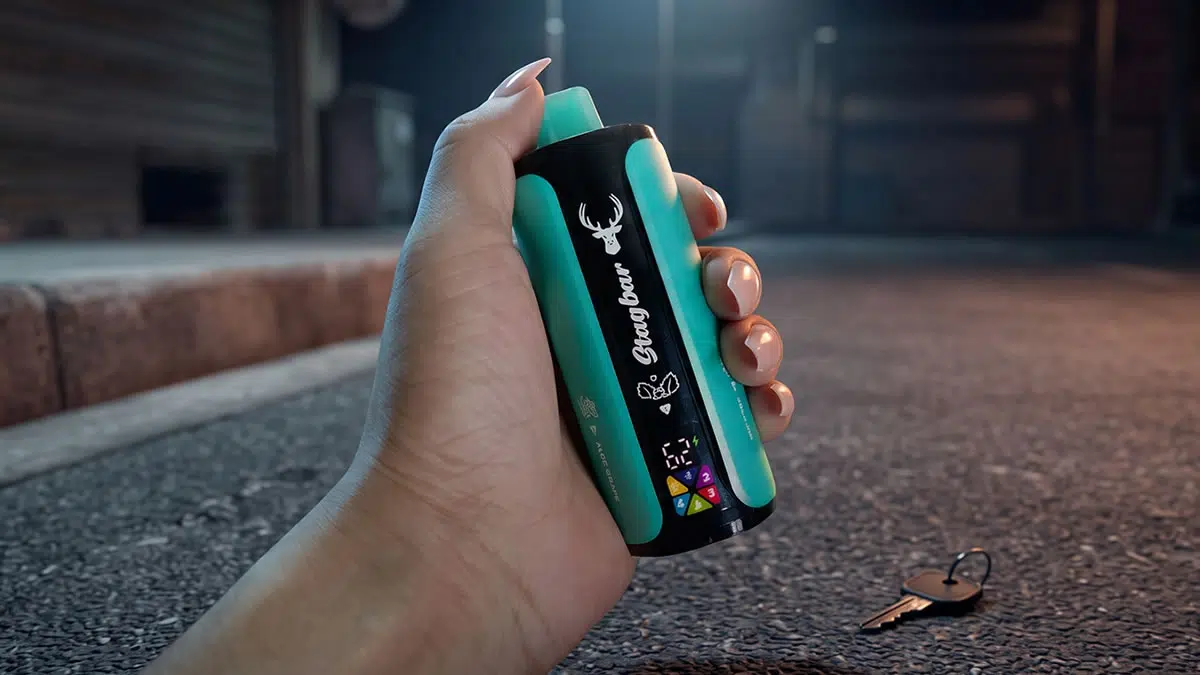
Swiss cantonal authorities and the Federal Supreme Court have escalated inspections of non-compliant vaping products following the enactment of the federal tobacco law in Autumn 2024. This coordinated effort aims to protect public health by removing illegal e-cigarettes from retail shelves and enforcing strict age-verification standards.
The harmonized federal law regulates cigarettes, vapes, snus, and other nicotine products. However, recent cantonal inspections show that a high volume of illegal products remains in circulation across the country.
Cantonal Seizures and Product Violations
In Geneva, the Federal Supreme Court banned an e-cigarette that bypassed the legal two-milliliter limit by including a hidden ten-milliliter refill reservoir. Judges ruled that the device posed too high a risk of accidental nicotine overdose.
In Basel, the cantonal laboratory analyzed 32 disposable vape and e-liquid models, banning 21 of them. The prohibited products featured excessive liquid volumes, illegal nicotine concentrations, or toxic ingredients.
| Canton | Enforcement Action / Finding | Key Data Point |
|---|---|---|
| Basel | Product safety testing on vapes and e-liquids | 21 out of 32 models banned |
| Zurich | Creation of a dedicated “tobacco police” unit | 800,000 CHF annual budget |
| Solothurn | Underage sales test purchases at local shops | 30% failure rate (illegal sales) |
The Rise of Zurich’s “Tobacco Police”
To enforce these stricter rules, cantons are investing in specialized oversight. Zurich created a dedicated unit within its cantonal laboratory, colloquially dubbed the “tobacco police.” Backed by an annual budget of 800,000 Swiss francs, this team inspects manufacturers, physical stores, and online shops while conducting chemical analyses and test purchases.
In addition to product safety, the unit monitors advertising compliance. Under federal rules, manufacturers must also update health warning images on cigarette packs every two years starting in 2028.
Protecting Minors Remains a Challenge
Preventing sales to minors is a primary focus of the new legislation, yet compliance remains low. Recent test purchases in Solothurn showed that 30% of 80 inspected businesses sold tobacco or e-cigarettes to minors, a figure virtually unchanged from the previous year’s 31.3% failure rate.
Local officials noted that while traditional cigarette use has stagnated among youth, e-cigarettes and alternative nicotine products are experiencing rapid growth, driving the need for sustained cantonal inspections.


