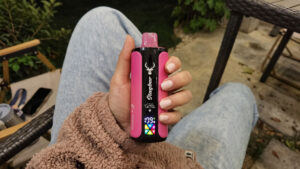
Lithuania has officially banned the sale of flavored e-cigarettes and e-liquids to combat rising nicotine addiction among adolescents. The landmark amendment to the Law on the Control of Tobacco and Related Products restricts all flavors except traditional tobacco, targeting products designed to attract underage users.
The legislative push, initiated by former Member of Parliament Mykolas Majauskas, addresses what lawmakers call an “unprecedented crisis” of youth accessibility. Officials hope the restriction will strip e-cigarettes of their lifestyle appeal and protect the physical development of Lithuanian teenagers.
The Data Behind the Decision: A Growing Youth Epidemic
The legislative ban relies heavily on empirical data gathered through the Health Behaviour in School-aged Children (HBSC) study. Conducted in collaboration with the World Health Organization (WHO), the 2018 Lithuanian survey of over 4,000 students exposed alarming trends in adolescent substance use.
According to the HBSC findings, the lifetime prevalence of e-cigarette use among Lithuanian students in the fifth, seventh, and ninth grades rose from 24% in 2014 to 38.5% in 2018. Furthermore, nearly 18% of all respondents admitted to vaping within the 30 days prior to the survey, including:
- 5% of fifth-grade students (approx. 11 years old)
- 18% of seventh-grade students (approx. 13 years old)
- 31% of ninth-grade students (approx. 15 years old)
These statistics convinced lawmakers that immediate state intervention was necessary to prevent a generation of youth from developing severe, lifelong nicotine dependencies.
Scientific Consensus on the Role of Flavors
The Lithuanian Ministry of Health (SAM) has strongly endorsed the ban, pointing to international scientific consensus regarding how flavors influence consumer behavior. Ministry representative Julianas Gališanskis cited key findings from the European Commission’s Scientific Committee on Health, Environmental and Emerging Risks (SCHEER).
The 2021 SCHEER report concluded that there is strong evidence that flavors are a primary driver for youth initiating e-cigarette use. Additionally, the report confirmed that the nicotine concentrations in these liquids rapidly foster chemical dependency.
Similarly, the EU’s Tobacco Products Directive report highlighted that sweet and fruity aromas systematically lower an adolescent’s perception of risk. By masking the harsh, irritating sensation of vaporized nicotine, flavors make the initiation process smoother and highly addictive.
With this ban, Lithuania joins a growing coalition of European Union member states taking decisive action against flavored nicotine products, including:
- Finland
- Denmark
- Estonia
- The Netherlands
- Hungary
The Hidden Dangers: High Nicotine and Synthetic Cannabinoids
Beyond the addictive nature of flavors, public health authorities are deeply concerned about the chemical unpredictability of illicit vaping products. The Republican Center for Addictive Disorders (RCNZ) warned that e-cigarettes make it incredibly difficult for users to monitor their actual nicotine intake.
Because e-liquids can contain highly concentrated nicotine formulations, vapers often consume several times the amount of nicotine found in traditional combustible cigarettes without realizing it. This rapid delivery system accelerates neurological changes and dependency in developing brains.
Even more concerning is the rising trend of using e-cigarettes to vaporize illicit synthetic drugs. Medical psychologist Aina Adomaitytė noted that e-cigarettes have become a popular delivery mechanism for synthetic cannabinoids.
“When synthetic cannabinoids are added to e-liquids, they present extreme health risks,” Adomaitytė warned. “These substances do not just cause severe physical and psychological poisoning; they can trigger acute seizures, psychotic episodes, and sudden death.”

StagBar Vape 4in1 80K Puffs Disposable
The Stagbar 4-in-1 80,000 is a revolutionary high-capacity disposable featuring 4 flavors and 4 independent mesh coils in one device, delivering an industry-leading 80,000 puffs.
Enforcement, Loopholes, and Retail Penalties
Enforcing the flavor ban remains a complex challenge for Lithuanian regulators. The State Consumer Rights Protection Authority (VVTAT) admits that some merchants are attempting to bypass the law through deceptive practices, such as relabeling inventory or shifting sales to unmonitored online marketplaces.
To counter this, VVTAT is conducting aggressive, unscheduled physical inspections across all regions of Lithuania. Investigators have already seized 28 distinct e-liquid samples for laboratory testing to verify chemical compliance.
The state has established a strict penalty system under the Law on the Control of Tobacco and Related Products to deter non-compliant businesses:
| Violation Type | Financial Penalty | Administrative Action |
|---|---|---|
| First-Time Offense | €500 to €1,000 | Public disclosure of the violation on the VVTAT website and social media channels. |
| Repeat Offense (Within 12 months) | €1,000 to €2,000 | Official warning regarding the suspension of the company’s tobacco retail/wholesale license. |
| Failure to Comply (After warning) | N/A | Permanent revocation of the business license to manufacture, distribute, or sell tobacco products. |
A Shift in Consumer Behavior: Heated Tobacco Rises
Public health officials anticipate that while some vapers will use the ban as an opportunity to quit nicotine entirely, many will simply transition to alternative products. This pattern was observed in June 2020 when the EU-wide ban on menthol cigarettes went into effect. Initially met with retail resistance, menthol smokers eventually adapted, and the illicit market for menthol cigarettes stabilized over time.
Early indicators from social media and retail data suggest that displaced flavor vapers are rapidly adopting Heated Tobacco Products (HTPs). These electronic devices heat real tobacco leaf units rather than vaporizing liquid chemical formulations.
This transition has been accelerated by marketing campaigns positioning HTPs as a cleaner alternative to traditional smoking. Proponents frequently point to studies by the US Food and Drug Administration (FDA), which spent two years evaluating heated tobacco systems.
The FDA’s review confirmed that heating tobacco rather than burning it reduces the production of harmful byproducts—such as carcinogenic tars—by 90% to 95% compared to standard cigarette smoke. Consequently, the FDA authorized the sale of these devices as appropriate for the protection of public health.
In Lithuania, this consumer shift has sparked intense commercial competition. While Philip Morris International’s “Iqos” brand dominated the domestic HTP market for years, British American Tobacco recently introduced its “Glo” system to the country. This new entry has disrupted the market, offering alternative technical specifications and competitive pricing structures to capture the growing demographic of former vape users.