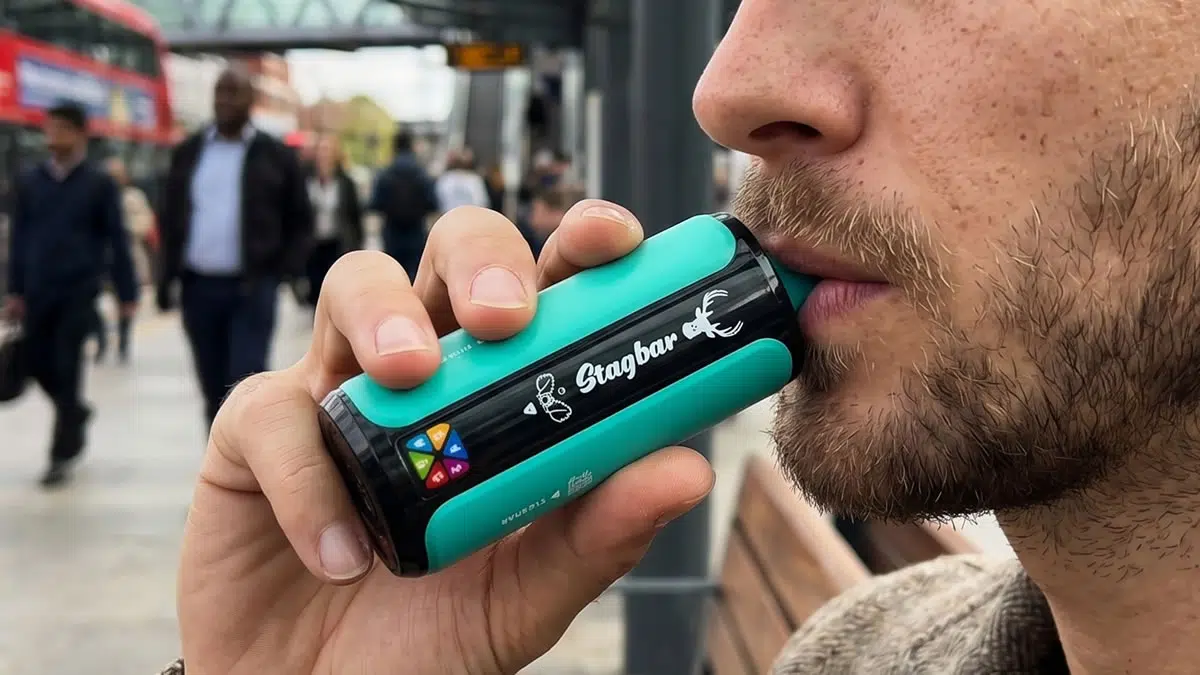
As millions of smokers transition to e-cigarettes, understanding the potential side effects of vaping has become a critical priority for consumer safety and public health. While e-cigarettes are not medical devices, a wealth of peer-reviewed research, user surveys, and clinical data has mapped out what users can expect when making the switch.
Unlike smoking, which delivers a uniform dose of toxic combustion byproducts, vaping is highly situational. The side effects you experience depend heavily on your device setup, your choice of e-liquid, your nicotine concentration, and your personal physiological makeup. This comprehensive guide explores the science behind vaping side effects, how to distinguish them from tobacco withdrawal, and practical steps to resolve them.
Common Short-Term Side Effects of Vaping
Most negative side effects associated with vaping are mild, transient, and easily corrected by adjusting your vaping habits or equipment.
1. Dry Mouth and Throat
Dry mouth is arguably the most common complaint among both beginner and experienced vapers. This phenomenon is directly caused by the primary base ingredients of e-liquid: Propylene Glycol (PG) and Vegetable Glycerin (VG).
Both PG and VG are humectants, meaning they are used to preserve moisture in consumer products. However, they are also highly hygroscopic—they actively attract and absorb water molecules from their surrounding environment. When you inhale vapor, these compounds draw moisture out of your mouth, throat, and nasal passages.
The Fix: Increase your daily water intake. Keeping a glass of water nearby while vaping is usually enough to counteract the hygroscopic effects of PG and VG. If dry mouth persists, oral hydration rinses can provide targeted relief.
2. Coughing and Throat Irritation
Coughing is incredibly common among first-time vapers, affecting between 20% and 30% of beginners. This irritation is typically caused by two main factors: high nicotine concentrations and improper inhalation technique.
Nicotine provides the “throat hit” that ex-smokers crave, but too much of it can cause a harsh, scratchy sensation. Additionally, using a high-airflow, direct-to-lung (DL) device with high-nicotine e-liquid will almost always trigger a cough reflex.
The Fix: Ensure your inhalation style matches your device. If you have a tight, cigarette-like draw (Mouth-to-Lung or MTL), use higher nicotine or nicotine salts. If you have a wide-open, high-power device (Direct-Lung or DL), drop your nicotine strength to 6mg/mL or lower. If throat irritation persists, you may have a mild sensitivity to PG; switching to a high-VG e-liquid (70% VG or higher) often resolves the issue.
3. Headaches
Headaches are another frequently reported side effect, particularly among those using high-strength disposable vapes. There are two primary triggers for vape-induced headaches: dehydration and nicotine fluctuations.
Because PG and VG absorb systemic water, mild dehydration can set in quickly, leading to tension headaches. Alternatively, if you are consuming more nicotine than your body is accustomed to, the stimulant properties of nicotine can cause blood vessels to constrict, triggering a headache.
The Fix: Hydrate immediately. If drinking water does not alleviate the headache, try lowering your e-liquid's nicotine strength or reducing the frequency of your vaping sessions.
4. Dizziness, Headrushes, and Nausea
Feeling lightheaded, dizzy, or slightly nauseous is a classic sign of mild nicotine overexposure. Nicotine is a powerful stimulant that temporarily elevates heart rate and blood pressure while constricting blood vessels, including those supplying the inner ear.
This side effect is highly comparable to the feeling of smoking a strong cigarette for the first time. It is especially prevalent among non-smokers who take up vaping or vapers using high-strength (20mg/mL or higher) disposable devices.
The Fix: Stop vaping immediately and rest. The human body metabolizes nicotine very rapidly, so these symptoms usually fade within 20 to 40 minutes. To prevent recurrence, lower your nicotine concentration or space out your vaping sessions.
Vaping Side Effects vs. Smoking Withdrawal
A critical challenge in evaluating vaping side effects is separating the effects of e-cigarettes from the physiological symptoms of tobacco withdrawal. Over 99% of vapers are current or former smokers. When you stop smoking and start vaping, your body undergoes a massive detoxification process.
| Symptom | Primary Cause | Recommended Action |
|---|---|---|
| Productive, Wet Cough | Lungs clearing out accumulated tar and carbon monoxide from smoking. Can last up to 12 weeks. | Stay hydrated; allow the lungs to naturally clear. Consult a doctor if it persists beyond 3 months. |
| Mouth Ulcers (Canker Sores) | A documented side effect of quitting tobacco, affecting up to 40% of quitters due to changes in oral flora. | Use mild, non-alcoholic mouthwashes. This symptom is temporary and typically resolves in a few weeks. |
| Fatigue and Brain Fog | Withdrawal from minor tobacco alkaloids (e.g., anatabine, anabasine) not present in e-liquids. | Gradually adjust nicotine levels; ensure adequate rest and sleep during the transition phase. |
| Bleeding Gums | Return of normal blood circulation to the gums after removing the vasoconstrictive toxins in cigarette smoke. | Maintain rigorous oral hygiene and visit a dental hygienist to address underlying mild gingivitis. |
Many new vapers mistake these healing milestones for negative reactions to vaping. Understanding that a “productive cough” or temporary mouth ulcers are signs of your body recovering from tobacco smoke can prevent discouraged users from returning to cigarettes.

StagBar Vape 6in1 180K Puffs Disposable
The Stagbar 6-in-1 featuring a unique 6-flavor system and six independent mesh coils, this device allows users to switch between six distinct tastes in one sleek unit, delivering an unprecedented 180,000 puffs.
What the Science Says: Long-Term Safety
To accurately assess the safety profile of vaping, we must look beyond laboratory petri-dish studies and examine real-world clinical data on living human subjects.
Cardiovascular Health
While nicotine is a stimulant that temporarily increases heart rate and arterial stiffness, clinical studies show that these short-term effects are comparable to drinking a cup of coffee. Landmark research led by cardiovascular experts has shown that smokers who switch completely to vaping experience a significant, measurable reduction in vascular stiffness within just one month.
Furthermore, large-scale epidemiological reviews indicate that while dual-users (those who smoke and vape simultaneously) remain at high risk for cardiovascular issues, exclusive vapers who have never smoked display no elevated risk of heart disease compared to non-smokers.
Pulmonary Function
Critics often cite laboratory studies showing that e-liquid vapor can stress lung cells in vitro. However, long-term clinical studies on actual humans paint a very different picture. Research led by Professor Riccardo Polosa tracked young daily vapers who had never smoked over several years. The study found no signs of early lung damage, microscopic inflammation, or accelerated decline in lung function.
Even more remarkably, studies focusing on asthmatic smokers and patients suffering from Chronic Obstructive Pulmonary Disease (COPD) revealed that those who switched to vaping experienced substantial harm reversal. These patients showed objective improvements in respiratory symptoms, lung function, and overall quality of life, matching the recovery rates of those who quit smoking cold turkey.
Debunking Common Vaping Myths
Sensationalist headlines often mischaracterize rare or scientifically impossible conditions as standard side effects of commercial vaping.
Myth 1: Vaping Causes “Popcorn Lung”
The myth linking vaping to bronchiolitis obliterans (“popcorn lung”) stems from the historical use of diacetyl – a buttery flavoring agent – in early e-liquids. While diacetyl in massive industrial quantities was linked to lung damage in popcorn factory workers, it was never proven to cause popcorn lung in vapers. Furthermore, diacetyl has been strictly banned in e-liquids across the UK, EU, and many other regulated markets for years.
Myth 2: Vaping Causes Lipoid Pneumonia
Lipoid pneumonia is a severe inflammatory lung condition caused by inhaling lipids (fats or oils). Standard commercial e-liquids are formulated using vegetable glycerin (which is a sugar alcohol, not a lipid) and propylene glycol. It is biochemically impossible for high-quality, commercial, water-soluble e-liquids to cause lipoid pneumonia. This condition only occurs if individuals attempt to vape actual oils, such as vitamin-E acetate found in illicit, black-market THC cartridges.
The Positive Side Effects of Vaping
No discussion of vaping side effects is complete without highlighting the overwhelming positive health outcomes reported by millions of smokers who have successfully transitioned to e-cigarettes. According to surveys led by Dr. Konstantinos Farsalinos, exclusive vapers experience rapid, compounding health benefits, including:
- Improved Breathing and Stamina: Significant reductions in shortness of breath and an enhanced capacity for physical exercise.
- Restored Senses: A rapid recovery of the sense of taste and smell, which are heavily dulled by tobacco tar.
- Reduced Chronic Coughing: The gradual disappearance of the chronic, hacking “smoker’s cough.”
- Better Hygiene: Elimination of the lingering smell of stale smoke on hair, breath, and clothing, alongside the gradual reduction of tobacco-stained teeth.

StagBar Vape 4in1 80K Puffs Disposable
The Stagbar 4-in-1 80,000 is a revolutionary high-capacity disposable featuring 4 flavors and 4 independent mesh coils in one device, delivering an industry-leading 80,000 puffs.
Frequently Asked Questions (FAQs)
Why does vaping make me cough when smoking cigarettes didn’t?
Cigarettes contain chemical anesthetics and bronchodilators designed to numb the throat and suppress the natural cough reflex. E-cigarette vapor does not contain these additives. Additionally, vapor is chemically different from smoke; your lungs need a few days to adjust to the physical sensation of inhaling vaporized PG and VG.
Can I be allergic to the ingredients in e-liquid?
Yes, though true allergies are rare. A small percentage of the population is highly sensitive or intolerant to Propylene Glycol (PG), experiencing severe throat irritation, skin rashes, or breathing difficulties. If you suspect a PG sensitivity, switching to a 100% Vegetable Glycerin (VG) e-liquid usually eliminates all symptoms.
Does vaping cause cavities or damage my teeth?
Vaping does not stain teeth or cause gum recession in the way that tobacco tar does. However, because vaping causes dry mouth, a lack of saliva can allow oral bacteria to multiply more quickly. Maintaining rigorous oral hygiene, brushing regularly, and staying hydrated are crucial to preserving your dental health while vaping.
What should I do if I experience chest pain while vaping?
If you experience chest pain, stop vaping immediately. Chest pain can be caused by excessive nicotine, extreme heat from a failing coil, or specific flavoring chemicals (such as high concentrations of cinnamon). However, because chest pain can indicate a serious underlying cardiovascular or pulmonary issue, you should seek medical attention if the pain persists.
Is nicotine itself dangerous or carcinogenic?
No. Decades of clinical research on nicotine replacement therapies (like patches and gums) show that nicotine does not cause cancer. The carcinogens in smoking come entirely from the combustion of tobacco leaf, which releases tar, carbon monoxide, and thousands of toxic chemicals. While nicotine is highly addictive and temporarily raises blood pressure, it is not the cause of smoking-related diseases.
Disclaimer: The information provided in this article is for educational and informational purposes only and does not constitute professional medical advice, diagnosis, or treatment. Vaping devices are not approved medical smoking cessation aids. If you experience persistent, severe, or worsening physical symptoms, always consult with a qualified healthcare professional or your physician immediately.


