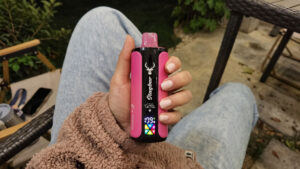
Adults who switch from traditional cigarettes to electronic cigarettes often expect to bypass the harsh, dry throat associated with tobacco smoke. However, many quickly notice a different set of uncomfortable side effects: persistent thirst, dry mouth, and occasional headaches. These symptoms are direct indicators of vaping-related dehydration.
While vaping does not typically cause sudden, severe whole-body dehydration on its own, its daily use can steadily deplete localized and systemic moisture levels. Understanding the chemical and biological mechanisms behind this process is key to maintaining physical comfort and oral health while using e-cigarettes.
The Science Behind Vaping and Dehydration
To understand why vaping makes you thirsty, it is necessary to examine the basic chemistry of e-liquids. Standard vape juices consist of four primary ingredients: propylene glycol (PG), vegetable glycerin (VG), flavorings, and nicotine. The physical properties of these ingredients directly alter the body’s fluid balance.
Hygroscopic Ingredients: PG and VG
Propylene glycol and vegetable glycerin are humectants classified as hygroscopic substances. This means their chemical structure naturally attracts, binds, and retains water molecules from the surrounding environment. In consumer industries, this property makes them excellent additives for keeping skin lotions moist or preventing shelf-stable foods from drying out.
However, when these substances are aerosolized and inhaled into the respiratory tract, they behave the same way. As the vapor passes through the mouth, throat, and lungs, the PG and VG molecules draw water out of the surrounding mucous membranes and salivary glands. When you exhale a visible vapor cloud, you are not just exhaling e-liquid; you are exhaling moisture that has been physically extracted from your body’s tissues. Over several hours of frequent use, this continuous extraction leads to localized dryness and contributes to systemic dehydration.
The Diuretic Effect of Nicotine
Nicotine adds another layer to the dehydration puzzle. As a stimulant, nicotine influences the central nervous system, causing a temporary increase in heart rate and blood pressure. This stimulation also has a mild diuretic effect, meaning it prompts the kidneys to filter more waste and increases the frequency and volume of urination.
Additionally, nicotine acts as a vasoconstrictor, narrowing blood vessels and reducing blood flow to various tissues, including the salivary glands. This restriction decreases saliva production, compounding the dry sensation caused by PG and VG.
Vaping vs. Smoking: Which Dehydrates You More?
Both smoking combustible cigarettes and vaping electronic cigarettes cause dryness, but they do so through entirely different mechanisms. Tobacco smoke is hot, highly acidic, and contains thousands of toxic chemicals that irritate and inflame oral tissues, leading to chronic dry mouth.
Vaping, while generally considered by health organizations to expose users to fewer hazardous toxins than smoking, has a more direct chemical pull on water molecules due to its high concentration of humectants. For many users, the smooth, cool sensation of vapor can mask the drying process, allowing dehydration to set in unnoticed.
| Feature / Ingredient | Dehydration Mechanism | Primary Symptoms |
|---|---|---|
| Propylene Glycol (PG) | Highly hygroscopic; aggressively binds to and extracts water from oral and respiratory membranes. | Severe dry mouth (cottonmouth), scratchy throat, dry nasal passages. |
| Vegetable Glycerin (VG) | Moderately hygroscopic; thicker consistency that can leave a mild residue, absorbing surface moisture. | Mild throat dryness, thick saliva, heavy feeling in the throat. |
| Nicotine | Acts as a stimulant and mild diuretic; restricts blood flow to salivary glands and increases urine output. | Increased urination frequency, reduced saliva flow, lightheadedness. |
| Combustible Tobacco Smoke | Hot, dry air combined with chemical toxins that irritate tissues and suppress natural saliva production. | Chronic bad breath, burnt throat sensation, gum inflammation. |

StagBar Vape 6in1 180K Puffs Disposable
The Stagbar 6-in-1 featuring a unique 6-flavor system and six independent mesh coils, this device allows users to switch between six distinct tastes in one sleek unit, delivering an unprecedented 180,000 puffs.
Recognizing the Symptoms of Vaping Dehydration
Vaping-related dehydration symptoms range from mild, localized discomfort to systemic issues that can affect your daily physical and cognitive performance.
Localized Oral Symptoms
- Cottonmouth (Dry Mouth): A sticky, dry sensation in the mouth caused by reduced saliva flow and moisture absorption by PG.
- Dry, Scratchy Throat: Irritation in the back of the throat, often leading to a dry cough during or after vaping sessions.
- Vaper’s Tongue: A temporary loss or reduction of taste perception. This occurs when the tongue’s taste buds and olfactory receptors become too dry to function properly.
- Gum Irritation and Bad Breath: Saliva is the mouth’s natural defense against bacteria. When saliva production drops, bacteria multiply rapidly, leading to halitosis and a higher risk of gum sensitivity.
Systemic Symptoms
- Headaches and Dizziness: When the body’s overall fluid volume drops, blood vessels in the brain temporarily narrow, leading to dull headaches and lightheadedness.
- Dark or Infrequent Urine: Healthy, well-hydrated urine is pale yellow. Dark yellow or amber-colored urine indicates that the kidneys are conserving water due to a systemic shortage.
- Fatigue and Brain Fog: Even mild fluid loss can cause a drop in energy levels, making it difficult to concentrate during work or daily tasks.
- Dry Skin and Eyes: Chronic dehydration can reduce skin elasticity and decrease tear production, leading to itchy, irritated eyes, especially when vaping in enclosed spaces where exhaled vapor touches the face.
Practical Strategies to Stay Hydrated While Vaping
Managing dehydration does not require complex lifestyle changes. By implementing a few practical habits, you can maintain your body’s fluid balance and reduce the side effects of e-cigarette use.
1. Increase Your Daily Water Intake
The most direct solution is to drink more fluids. According to hydration guidelines from the Mayo Clinic, average adult females should consume approximately 2.7 liters of water daily, while males require about 3.7 liters.
Because vaping actively removes moisture, e-cigarette users should aim to exceed these baseline recommendations. Keeping a reusable water bottle nearby and taking small, frequent sips before, during, and after vaping sessions is far more effective than chugging large amounts of water all at once.
2. Optimize Your E-Liquid PG/VG Ratio
Since propylene glycol is the primary humectant responsible for drawing moisture out of oral tissues, switching to e-liquids with a higher ratio of vegetable glycerin can provide relief. High-VG e-liquids (such as 70/30 or 80/20 VG/PG blends) are thicker, produce denser vapor clouds, and are notably less drying on the throat than high-PG formulations.

Stag Bar Ejuice
The Stagbar Ejuice comes with ultimate flavors and ultimate experiences!
- 50mg/ml
- 30ml bottle
- 50/50 PG/VG Ratio
3. Manage Nicotine Strengths and Types
Reducing your nicotine concentration can lower the diuretic and vasoconstricting effects on your salivary glands. If you use high-strength freebase nicotine, you might experience more throat irritation. Switching to nicotine salts (nic salts) can provide a smoother throat hit and faster absorption, which often naturally leads to vaping less frequently throughout the day.
4. Limit Other Diuretic Substances
Combining vaping with other dehydrating habits can quickly lead to physical discomfort. Beverages like coffee, energy drinks, soda, and alcohol are also diuretics. If you enjoy a morning coffee or an evening alcoholic drink alongside your vape, make sure to supplement those sessions with an extra glass of water to offset the cumulative fluid loss.
5. Incorporate Water-Rich Foods into Your Diet
Hydration does not have to come solely from a glass. Eating fruits and vegetables with high water content is an excellent way to replenish electrolytes and fluids naturally. Excellent options include:
- Fruits: Watermelon, strawberries, grapefruit, peaches, and oranges.
- Vegetables: Cucumbers, zucchini, celery, radishes, and leafy greens.
6. Adjust Your Vaping Hardware
If you use a high-powered sub-ohm device, you are vaporizing a large volume of e-liquid with every puff. This exposes your respiratory tract to a high volume of humectants. Switching to a smaller, low-power pod system reduces the overall volume of e-liquid consumed, which can help alleviate chronic dry mouth and dehydration symptoms.
When to Temporarily Stop Vaping
There are specific situations where continuing to vape can exacerbate dehydration and delay physical recovery:
- During Illness: If you are suffering from an illness that causes vomiting, diarrhea, or a high fever, your body is already losing fluids at a dangerous rate. Vaping during these times will worsen dehydration. Consider using oral nicotine alternatives like patches or gum until you recover.
- During Intense Exercise: Physical exertion causes fluid loss through sweat. Vaping immediately before or during a heavy workout can hinder your physical performance, increase your heart rate excessively, and accelerate dehydration.
Frequently Asked Questions
-
Does vaping dehydrate your skin?
Yes. Vaping can dry out your skin in two ways. First, systemic dehydration reduces the overall moisture available to skin cells. Second, the exhaled vapor contains PG and VG, which can absorb moisture directly from the surface of your face. Using a quality moisturizer and drinking extra water can help protect your skin.
-
Should I drink more water if I vape nicotine-free e-liquids?
Yes. Even nicotine-free e-liquids contain propylene glycol (PG) and vegetable glycerin (VG). Because these two base ingredients are the primary cause of moisture absorption in the mouth and throat, you still need to drink extra water to avoid dry mouth and localized dehydration.
-
Can vaping dehydration make you feel dizzy?
Yes. Dehydration reduces blood volume, which can cause a temporary drop in blood pressure and reduce oxygen flow to the brain, resulting in dizziness or lightheadedness. This effect can be more pronounced if you vape on an empty stomach or consume high levels of nicotine.
-
How do I cure “vaper’s tongue”?
The quickest way to resolve vaper’s tongue is to rest your taste buds by drinking plenty of water, practicing thorough oral hygiene (including brushing your tongue), and reducing your vaping frequency. Some users also find that smelling fresh coffee beans or switching to an unflavored e-liquid for a few days helps reset their senses.
-
Is vaping-related dry mouth dangerous?
While temporary dry mouth is not dangerous, chronic dry mouth (xerostomia) can lead to long-term oral health issues. Saliva is necessary for neutralizing acids and washing away food particles. A persistent lack of saliva increases the risk of tooth decay, gum disease, and oral infections.
Disclaimer: The information provided in this article is for educational and informational purposes only and is not intended as medical advice. Vaping is not recommended for non-smokers or minors. If you experience persistent dizziness, severe headaches, extreme lethargy, or a complete lack of urine production, stop vaping immediately and consult a healthcare professional or visit an established medical organization for guidance.