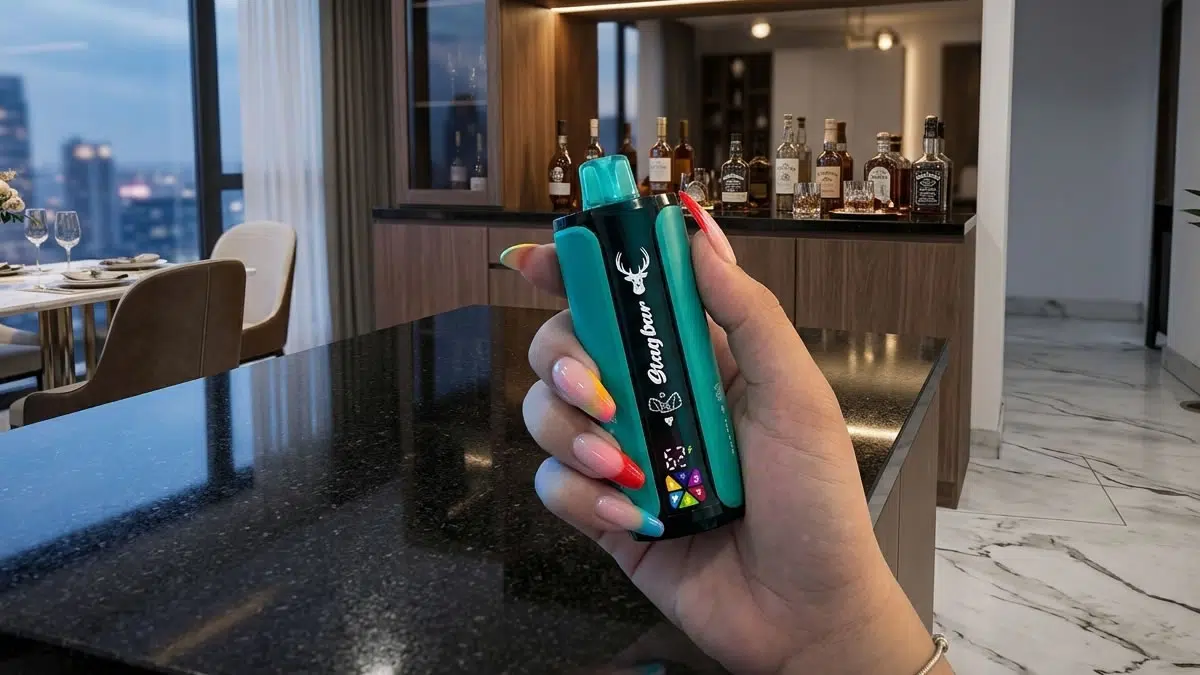
EVALI, a severe inflammatory lung disease linked to vaping, remains a persistent public health threat years after its initial 2019 outbreak. Often misdiagnosed as the flu due to overlapping respiratory symptoms, recent data shows a resurgence in cases, with young women now representing the fastest-growing demographic of affected patients.
- Diagnostic Mimicry: Symptoms like fever, cough, and shortness of breath closely mirror common viral infections, delaying critical treatment.
- Vitamin E Acetate Link: Research confirms vitamin E acetate, an additive in illicit THC vapes, as a primary driver of lung tissue damage.
- Resurgent Cases: 2024 data reveals EVALI cases are 55.4% higher than in 2020, driven by a doubling of youth vaping rates.
- High ICU Rates: Nearly 95% of diagnosed patients require hospitalization, with over a third requiring intensive care.
Public health agencies are warning that hospitalizations from EVALI—E-cigarette or Vaping Product Use-Associated Lung Injury—remain a persistent threat as unregulated vape liquids continue to circulate. This warning comes amid a rise in youth vaping rates, which has driven hospital admission rates for severe respiratory distress well past 2020 baselines.
The Diagnostic Challenge: Flu vs. EVALI
According to the Cleveland Clinic, EVALI presents with fever, cough, shortness of breath, chest pain, and gastrointestinal issues like nausea and vomiting. This symptom profile makes it easy to mistake the condition for influenza or a viral respiratory infection, delaying diagnostic clarity and treatment.
Because there is no specific confirmatory test, doctors must rely on chest X-rays or CT scans showing bilateral lung opacities and confirm a history of vaping within 90 days before making a diagnosis of exclusion. David Christiani, a professor of environmental medicine at the Harvard T.H. Chan School of Public Health, warned that this clinical picture can trigger acute respiratory failure and require mechanical ventilation.
The 2019 Outbreak and the Role of Vitamin E Acetate
First documented in the United States in 2019, the illness quickly escalated, leading the Centers for Disease Control and Prevention (CDC) to track 2,807 hospitalizations and 68 deaths by February 2020.
A study published in the New England Journal of Medicine (NEJM) identified vitamin E acetate in the bronchoalveolar lavage fluid of 94% of evaluated patients. This synthetic compound is used as a thickening agent in illicit THC-containing vape liquids. While safe for ingestion, inhaling heated vitamin E acetate causes severe damage to lung tissue.
Researchers at the Roswell Park Cancer Center confirmed this in animal models, proving the compound directly causes lung lesions. However, health officials note that nicotine-only vapes are also associated with cases, and users are often unaware of what additives are in their liquids.
Post-Outbreak Trends and Shifting Demographics
Though active CDC monitoring paused in 2020, the disease did not disappear. Data from Trilliant Health indicates that 2024 EVALI cases were 55.4% higher than 2020 levels, following a peak in 2022.
The demographics of the disease have also shifted. In 2020, men accounted for 53.2% of cases, but by 2024, women became the majority of patients, with women aged 25 to 50 representing the fastest-growing group. This shift aligns with rising vaping rates among young demographics.
| Metric | 2020 Baseline | 2024 Status |
|---|---|---|
| Vaping Prevalence (Ages 18-25) | 11.7% | 23.7% |
| Vaping Prevalence (Ages 12-20) | 5.1% | 10.4% |
| Primary Gender Affected | Male (53.2%) | Female (Majority) |
| EVALI Case Volume | Baseline | 55.4% Increase |
Hospitalization and Treatment
A May 2026 meta-analysis of 13,516 patients diagnosed between 2019 and 2022 showed that 94.4% of cases required hospitalization, and 35.7% required intensive care unit (ICU) admission. For adolescents aged 13 to 17, the ICU admission rate was even higher at 46.9%.
Most patients respond to corticosteroids and supportive care, but doctors warn that symptoms can recur, requiring long-term pulmonary follow-up. The Cleveland Clinic recommends avoiding all vaping products, particularly those from unregulated sources, and seeking immediate medical attention if respiratory symptoms develop after vaping.


