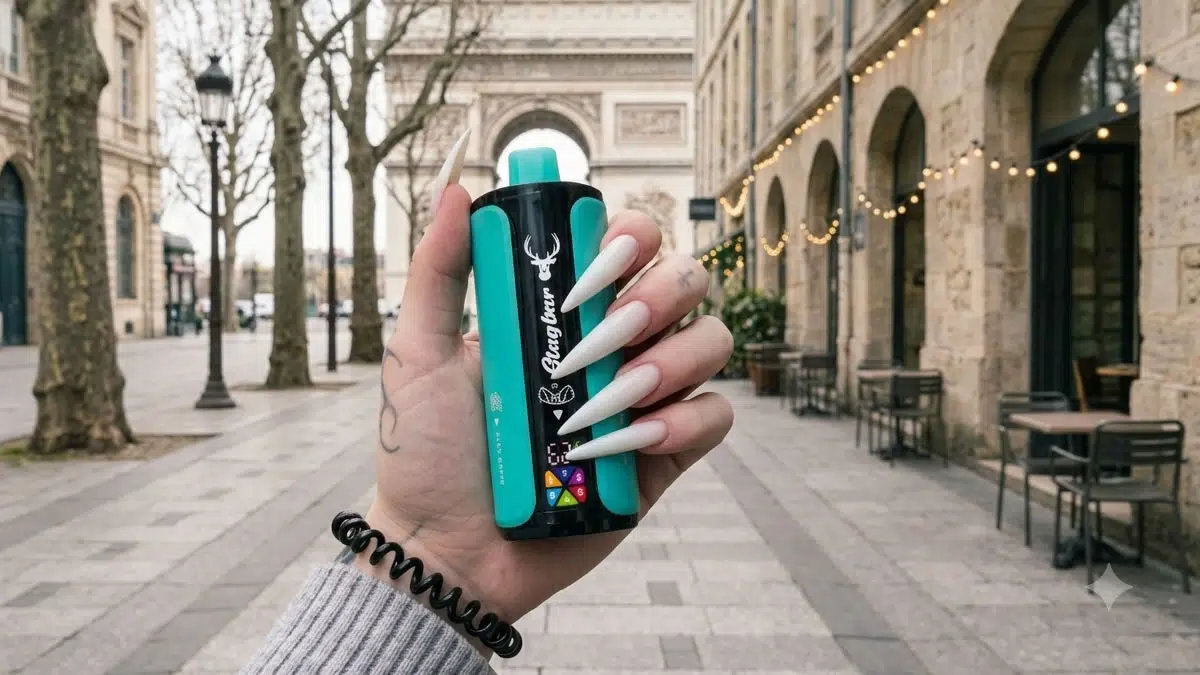
The rapid rise of e-cigarette use has forced dental and medical professionals to closely examine how vaping affects oral health. Among the emerging concerns is the self-reported increase in tonsil stones—small, foul-smelling deposits in the back of the throat—among regular vapers. Understanding the biological connection between vaping and tonsil health is essential for anyone looking to maintain their oral hygiene.
This article examines the scientific mechanisms behind tonsil stone formation, analyzes how e-cigarette ingredients alter the throat environment, and provides actionable prevention steps based on clinical insights.
Understanding Tonsil Stones: How They Form
Tonsil stones, medically termed tonsilloliths, are small, calcified structures that develop within the tonsils. To understand how vaping influences their growth, one must first understand the anatomy of the throat.
The palatine tonsils are lymphoid tissues located on both sides of the back of the throat. They feature deep folds, pockets, and crevices known as tonsil crypts. These crypts serve an immunological purpose by trapping pathogens that enter through the mouth and nose. However, they can also collect organic and inorganic debris, including:
- Dead mucosal cells
- Food particles
- Salivary proteins
- Oral bacteria and fungi
- Excess mucus from postnasal drip
When these materials remain trapped in the oxygen-deprived environment of the crypts, anaerobic bacteria begin to digest them. Over time, mineral salts—primarily calcium and magnesium—precipitate from saliva, calcifying the soft debris into hard, white or yellowish stones. While tonsil stones are generally benign, they frequently cause chronic bad breath (halitosis), throat irritation, difficulty swallowing, and localized discomfort.
The Vaping Connection: Four Biological Mechanisms
Vaping does not directly deposit stones into the throat, but the physical and chemical properties of e-cigarette vapor alter the oral cavity in ways that accelerate the calcification process. Clinical observations point to four primary mechanisms.
1. Xerostomia (Dry Mouth) and Moisture Depletion
Saliva is the mouth’s natural defense mechanism. It contains enzymes, immunoglobulins, and minerals that continuously wash away food particles, neutralize acids, and control bacterial populations. When saliva flow decreases, debris accumulates rapidly.
E-liquids rely on propylene glycol (PG) and vegetable glycerin (VG) as base ingredients. Propylene glycol is highly hygroscopic, meaning it actively attracts and binds to water molecules. When inhaled, PG vapor strips moisture from the mucous membranes of the mouth and throat, leading to chronic dry mouth. Without adequate saliva to flush the tonsil crypts, organic debris remains stagnant, accelerating the formation of tonsilloliths.
2. Disruption of the Oral Microbiome
The human mouth houses a delicate balance of bacterial species. Research published in the Journal of Oral Microbiology indicates that e-cigarette aerosols alter this microbiome. The heat, chemical exposure, and sugar-like flavorings in vape juice create an environment where harmful anaerobic bacteria thrive.
These anaerobic bacteria are directly responsible for the foul odor of tonsil stones. They feed on trapped proteins and release volatile sulfur compounds (VSCs), such as hydrogen sulfide and methyl mercaptan. An overgrowth of these specific microbes increases both the frequency of tonsil stones and the severity of associated bad breath.
3. Localized Tissue Inflammation
Inhaling heated vapor exposes the delicate tissues of the throat to chemical irritants and flavorings. Certain flavoring compounds, alongside thermal degradation products like formaldehyde and acrolein, cause low-grade, chronic inflammation of the tonsils.
When the tonsils become inflamed or swollen, the openings of the tonsil crypts can constrict or warp. This structural change makes it easier for food particles and dead cells to become trapped deep within the pockets, preventing the natural shedding process of the tonsillar tissue.
4. Nicotine-Induced Vasoconstriction
Nicotine is a well-documented vasoconstrictor, meaning it narrows blood vessels and reduces localized blood flow. In the oral cavity, reduced blood flow limits the delivery of oxygen and essential immune cells to the tonsils.
This localized immune suppression makes the throat more vulnerable to minor bacterial infections. Recurrent low-grade infections lead to tissue damage and increased cellular debris, providing more raw material for tonsil stones to feed on.
What the Clinical Evidence Says
While large-scale epidemiological studies focusing solely on vaping and tonsilloliths are limited, preliminary research and clinical surveys show a clear correlation.
An observational study monitoring oral health changes in e-cigarette users noted a measurable increase in throat irritation and tonsillar debris compared to non-vapers. Furthermore, clinical surveys published in Otolaryngology–Head and Neck Surgery revealed that individuals who vape regularly are more likely to report symptoms associated with tonsil stones, such as persistent halitosis, throat tickles, and the sensation of a foreign object lodged in the throat.
Ear, nose, and throat (ENT) specialists frequently report that patients presenting with recurrent tonsil stones often show signs of chronic mucosal dryness and inflammation consistent with daily e-cigarette use.
Vaping vs. Traditional Smoking: A Comparative Analysis
Both smoking and vaping negatively affect throat health, but they do so through different chemical pathways. Traditional cigarettes rely on combustion, delivering tar, carbon monoxide, and thousands of toxic chemicals directly to the oral cavity. Vaping relies on aerosolization, which delivers fewer combustion byproducts but introduces highly dehydrating humectants.
| Factor | Vaping (E-Cigarettes) | Traditional Smoking |
|---|---|---|
| Primary Dehydration Agent | Propylene Glycol (Hygroscopic humectant) | Hot smoke and combustion toxins |
| Tonsil Irritation Source | Chemical flavorings, thermal aerosols, nicotine | Tar, carbon monoxide, heavy metals, nicotine |
| Microbiome Impact | Alters bacterial balance; promotes anaerobic growth | Suppresses beneficial bacteria; high rate of gum disease |
| Tonsil Stone Risk Level | High (due to severe localized dry mouth) | High (due to heavy debris and tissue damage) |
| Tonsil Cancer Risk | Under active study; lower carcinogen exposure | Established major risk factor due to direct carcinogens |

StagBar Vape 6in1 180K Puffs Disposable
The Stagbar 6-in-1 featuring a unique 6-flavor system and six independent mesh coils, this device allows users to switch between six distinct tastes in one sleek unit, delivering an unprecedented 180,000 puffs.
The Risk of Tonsillitis and Oropharyngeal Complications
Beyond tonsil stones, vaping poses broader risks to throat health. Chronic exposure to heated aerosols can weaken the local immune defenses of the upper respiratory tract, potentially leading to tonsillitis—an acute or chronic infection of the tonsils.
Can You Vape with Active Tonsillitis?
Medical professionals strongly advise against vaping during an active bout of tonsillitis. Inhaling vapor over already inflamed, infected tonsils introduces heat and chemical irritants that exacerbate swelling and pain. This exposure can delay the healing process, increase the risk of a burning sore throat, and potentially lead to secondary bacterial infections or peritonsillar abscesses (pus accumulation around the tonsils).
The Threat of Tonsil Cancer
While tonsil stones are benign, chronic irritation from traditional tobacco smoking is a primary driver of tonsil cancer (oropharyngeal cancer). Although e-cigarettes expose users to fewer carcinogens than combustible tobacco, the long-term oncological impact of inhaling heated flavorings and solvents is still being investigated. Persistent symptoms such as a unilateral sore throat, difficulty swallowing, or a lump in the neck warrant immediate medical evaluation.
Prevention and Mitigation Strategies for Vapers
For individuals who choose to vape, adopting specific oral hygiene and lifestyle habits can lower the risk of developing tonsil stones.
1. Implement a Targeted Hydration Protocol
To counteract the dehydrating effects of propylene glycol, vapers must increase their water intake. Drinking water immediately after vaping sessions helps flush away residual chemicals and keeps the oral mucosa hydrated. Relying on sugary or caffeinated beverages can worsen dry mouth and should be avoided.
2. Enhance Oral Hygiene Practices
Standard brushing is insufficient to prevent tonsil stones. Vapers should incorporate the following steps into their daily routine:
- Tongue Scraping: Use a metal or plastic tongue scraper daily to remove food particles and anaerobic bacteria from the back of the tongue.
- Alcohol-Free Mouthwash: Rinse with an oxygenating, alcohol-free mouthwash. Alcohol-based mouthwashes dry out the mouth further, worsening tonsil stone conditions.
- Saltwater Gargling: Gargle with warm salt water (1/2 teaspoon of salt in warm water) daily to soothe throat tissues and help dislodge microscopic debris before it calcifies.
3. Adjust E-Liquid Variables
Vapers prone to dry mouth and throat irritation may benefit from adjusting their e-liquid composition. Opting for e-liquids with a higher vegetable glycerin (VG) ratio can reduce the throat irritation associated with propylene glycol. Additionally, reducing nicotine concentrations and avoiding highly acidic or complex artificial flavorings can minimize tissue irritation.
Safe Removal and Treatment Options
If tonsil stones do form, they must be managed safely to avoid throat injury or infection.
- Manual Irrigation: A water flosser or oral syringe filled with warm water can be used on a low-pressure setting to gently flush stones out of the crypts.
- Avoid Sharp Objects: Never use bobby pins, toothpicks, or cotton swabs aggressively to dig out stones. The tissue of the tonsils is highly vascular and tears easily, which can introduce bacteria and cause infections.
- Medical Interventions: For persistent or severe cases, medical treatments such as coblation tonsil cryptolysis (using radio waves to smooth out tonsil crevices) or a surgical tonsillectomy may be recommended by an ENT specialist.

StagBar Vape 4in1 80K Puffs Disposable
The Stagbar 4-in-1 80,000 is a revolutionary high-capacity disposable featuring 4 flavors and 4 independent mesh coils in one device, delivering an industry-leading 80,000 puffs.
Frequently Asked Questions (FAQs)
-
Can vaping cause tonsil stones even if the e-liquid is nicotine-free?
Yes. While nicotine contributes to vasoconstriction and reduced blood flow, the primary cause of dry mouth is propylene glycol (PG), which is present in almost all e-liquids, including nicotine-free options. The dehydrating effect of PG alone is enough to encourage tonsil stone formation.
-
How long does it take for tonsil stones to clear up after quitting vaping?
Once you stop vaping, your oral mucosa and salivary glands typically begin to recover within a few weeks. As normal saliva flow returns and tissue inflammation subsides, the natural self-cleansing mechanism of the tonsils improves, reducing the occurrence of new stones over several weeks to months.
-
Will using a humidifier help prevent tonsil stones caused by vaping?
Using a humidifier, especially at night, can help reduce general throat dryness and irritation. However, it cannot fully offset the localized dehydrating effects of inhaling propylene glycol directly into the oral cavity. It should be used as a supportive measure alongside increased water consumption.
-
Does the temperature of the vape device affect tonsil stone risk?
Yes. Higher temperatures and sub-ohm vaping produce warmer, denser vapor clouds, which can cause greater thermal irritation to the throat tissues. This increased irritation can lead to localized swelling of the tonsil crypts, making them more likely to trap debris.
-
Can throat lozenges help manage vaping-induced dry mouth?
Sugar-free lozenges designed specifically for dry mouth (containing xylitol) can help stimulate saliva production. Avoid sugary lozenges, as sugar provides a food source for the anaerobic bacteria that contribute to tonsil stone formation and bad breath.
Disclaimer
The information provided in this article is for educational and informational purposes only and is not intended as a substitute for professional medical advice, diagnosis, or treatment. Always seek the advice of your dentist, physician, or other qualified health provider with any questions you may have regarding an oral health or medical condition. Never disregard professional medical advice or delay in seeking it because of something you have read in this article.


