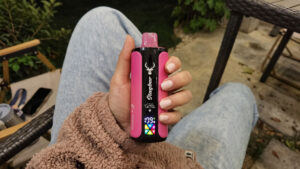
Many individuals transition from smoking to vaping to reduce the health risks associated with combustible tobacco. However, questions remain regarding how aerosolized vapor impacts cosmetic dental appearance and overall oral hygiene. While vaping eliminates the heavy tar responsible for dark tobacco stains, clinical observations and laboratory studies show that e-cigarettes are not completely neutral to tooth enamel.
This guide analyzes the chemical mechanisms behind vape-related tooth staining, compares the oral health risks of vaping versus smoking, and outlines practical steps to protect your teeth.
The Chemistry of Tooth Staining: Vaping vs. Smoking
To understand how vaping affects tooth color, it is necessary to examine the underlying chemistry of dental staining. Traditional cigarettes burn organic matter, producing tar—a sticky, toxic byproduct that adheres to enamel, causing deep brown and black discoloration.
E-cigarettes do not burn tobacco and do not produce tar. Instead, they heat an e-liquid typically composed of propylene glycol (PG), vegetable glycerin (VG), nicotine, and chemical flavorings. However, two primary components in e-liquids can still cause discoloration:
1. Nicotine Oxidation
Though colorless in its natural state, nicotine oxidizes and turns yellow when exposed to oxygen. When inhaled through a vape, this oxidized nicotine settles on the porous surface of tooth enamel, leading to gradual yellowing over time. While cigarette tar causes much faster and darker staining, consistent exposure to nicotine-laden vapor can still alter tooth color.
2. Pigmented Flavoring Agents
The flavorings used in e-liquids often contain dark chemical pigments. Flavors that mimic coffee, cola, chocolate, or dark berries can deposit color particles onto the enamel. If the enamel is already weakened or porous, these pigments can penetrate the tooth surface and cause permanent staining.
A 2018 study published by British American Tobacco evaluated this effect by exposing bovine teeth (which closely resemble human teeth) to both cigarette smoke and e-cigarette vapor over a two-week period. The teeth exposed to cigarette smoke showed rapid, severe discoloration. In contrast, the teeth exposed to e-cigarette vapor exhibited almost no measurable color change, demonstrating that vaping causes far less cosmetic staining than combustible smoking.
Oral Health Comparison: Vaping vs. Smoking
The physiological impact of vaping extends beyond aesthetics. Nicotine is a vasoconstrictor, meaning it reduces blood flow through the capillaries in the gums. This restricted circulation can mask the early signs of gum disease (like bleeding) and slow down the body’s natural healing response to oral infections.
A pilot study published in the Medicine journal in December 2017 monitored the periodontal health of smokers who switched to e-cigarettes. The researchers observed a progressive improvement in periodontal indexes and overall oral health perceptions after the switch, suggesting that while vaping is not risk-free, it represents a harm-reduction pathway compared to smoking.
However, e-cigarette users still face elevated risks compared to non-smokers. The following data highlights the periodontal disease and oral infection risk index across different groups:
- Non-smokers: 28.2%
- E-cigarette users: 42.5%
- Traditional smokers: 72.5%
Below is a comparison of key oral health factors between smoking tobacco and vaping:
| Oral Health Factor | Smoking Tobacco | Vaping |
|---|---|---|
| Nicotine Presence | Yes | Yes (Optional 0mg available) |
| Tar Production | Yes (Heavy accumulation) | No |
| Teeth Staining Severity | Severe brown/black stains | Mild yellow/light brown stains |
| Gum Disease Risk | High risk | Increased risk |
| Mouth Cancer Risk | High risk | Potential risk (under study) |

StagBar Vape 6in1 180K Puffs Disposable
The Stagbar 6-in-1 featuring a unique 6-flavor system and six independent mesh coils, this device allows users to switch between six distinct tastes in one sleek unit, delivering an unprecedented 180,000 puffs.
Can Your Dentist Tell If You Vape?
Many users wonder if a dental professional can identify vaping habits during a routine checkup. Dentists are trained to recognize specific clinical indicators in the oral cavity. While vaping does not leave the heavy, dark tar deposits characteristic of smoking, several telltale signs can indicate e-cigarette use:
- Nicotine Stains: Mild yellow or light brown stains, particularly on the back of the front teeth, often point to nicotine exposure.
- Localized Dryness: Chronic dry mouth (xerostomia) caused by propylene glycol, which absorbs moisture in the oral cavity.
- Plaque and Calculus Buildup: Reduced saliva flow accelerates plaque accumulation, especially along the gumline, as saliva is needed to wash away bacteria.
- Gum Recession and Irritation: Restricted blood flow from nicotine can lead to gradual gum recession and localized inflammation where the vapor makes direct contact.
Dentists check for these symptoms to offer appropriate preventative care, not to pass judgment. Sharing your vaping habits with your dentist helps them tailor your cleanings and monitor for early signs of decay or gum disease.
Practical Strategies to Prevent Vape Stains
For individuals who choose to vape, specific habits can help protect enamel and maintain tooth brightness:
- Prioritize Hydration: Drink water immediately after vaping to rinse away residual e-liquid and counteract the drying effects of PG.
- Choose Clear E-Liquids: Avoid heavily colored e-liquids (like dark tobaccos, coffees, or dessert flavors) and opt for clear, light, or menthol options.
- Reduce Nicotine Concentration: Lowering nicotine levels, or switching to nicotine-free (0mg) e-liquids, directly reduces the risk of yellowing and gum vasoconstriction.
- Maintain Rigorous Oral Hygiene: Brush twice daily with a fluoride or gentle whitening toothpaste, floss daily, and use an alcohol-free antibacterial mouthwash.
- Schedule Regular Dental Cleanings: Professional scaling and polishing every six months can remove surface stains before they penetrate deeper into the enamel.
Frequently Asked Questions (FAQs)
-
Does nicotine-free vaping still stain teeth?
Nicotine-free vaping carries a much lower risk of staining because it eliminates nicotine, the primary chemical that oxidizes into a yellow residue. However, dark or highly pigmented e-liquid flavorings can still cause mild surface discoloration if they cling to weakened enamel.
-
Can I vape while wearing teeth whitening strips?
It is not recommended to vape while using teeth whitening strips. The peroxide-based gels in the strips make enamel temporarily more porous, which can allow nicotine and flavor pigments to penetrate deeper into the tooth, potentially causing worse stains or uneven whitening results.
-
How long should I wait to vape after a wisdom tooth extraction?
You should avoid vaping for at least 3 to 5 days after a wisdom tooth extraction. The suction created when inhaling can dislodge the blood clot forming in the socket, leading to a painful condition known as dry socket. Additionally, nicotine restricts blood flow, which delays the healing process.
-
Does vaping cause tooth sensitivity?
Yes, vaping can contribute to tooth sensitivity. Some e-liquid flavorings are acidic, which can wear down tooth enamel over time. When enamel thins, the underlying dentin layer is exposed, making teeth more sensitive to hot, cold, sweet, or acidic foods and drinks.
-
Is vaping after brushing my teeth at night harmful?
Yes, you should avoid vaping after your nighttime brushing routine. Vape aerosols leave a thin, sticky residue of vegetable glycerin and flavorings on your teeth. Because saliva flow naturally decreases while you sleep, this residue provides a breeding ground for bacteria, increasing the risk of cavities and plaque buildup overnight.
Disclaimer: The information provided in this article is for educational and informational purposes only and is not intended as medical or dental advice. For personalized guidance regarding your oral health, consult a licensed dentist or healthcare professional.