If you are a vaper managing your health or someone living with prediabetes or Type 2 diabetes, you have likely wondered: Does vaping raise blood sugar?
With sweet-flavored e-liquids and media headlines warning about the metabolic risks of nicotine, it is easy to feel confused. Does puffing on a dessert-flavored vape trigger an insulin spike? Does nicotine cause long-term diabetes, or is vaping a safer alternative to smoking combustible cigarettes?
In this science-backed guide, we dive into the latest medical research on how vaping impacts glucose control, blood pressure, insulin sensitivity, and overall cardiometabolic health.
- Acute Nicotine Response: Nicotine stimulates adrenaline release, prompting the liver to release stored glucose and temporarily reducing peripheral insulin sensitivity.
- No Independent Diabetes Link: Large-scale population analyses show no independent, chronic association between e-cigarette use and type 2 diabetes once smoking history and BMI are controlled.
- PG/VG and Sweeteners: Propylene glycol, vegetable glycerin, and inhaled artificial sweeteners do not undergo gastrointestinal digestion and do not directly cause glycemic spikes.
- Harm Reduction: Vaping helps transitioning smokers avoid post-cessation weight gain (typically 4 to 8 kg), which can otherwise severely disrupt blood sugar control.
The Physiology: How Nicotine Interacts with Blood Glucose
To understand the relationship between vaping and blood sugar, it is necessary to isolate the physiological effects of nicotine. Nicotine is a stimulant that rapidly enters the bloodstream through the lungs, where it binds to nicotinic acetylcholine receptors and activates the sympathetic nervous system.
This activation prompts the adrenal glands to release epinephrine (adrenaline). Epinephrine initiates a “fight-or-flight” response, which alters glucose regulation in three primary ways:
- Hepatic Glucose Release: Adrenaline signals the liver and skeletal muscles to break down stored glycogen into glucose (glycogenolysis), releasing it directly into the bloodstream.
- Impaired Insulin Sensitivity: Nicotine inhibits adenosine monophosphate-activated protein kinase (AMPK) activity in the brain and stimulates lipolysis (the breakdown of fats into free fatty acids). Elevated levels of circulating free fatty acids interfere with insulin signaling pathways in muscle tissue, temporarily reducing insulin sensitivity.
- Suppressed Insulin Secretion: Adrenaline acts on the pancreas to temporarily inhibit the release of new insulin, preventing the body from quickly clearing the newly released glucose from the bloodstream.
This acute response can cause a temporary rise in post-vape blood glucose levels. For a healthy individual, this transient fluctuation is similar to the metabolic effect of drinking strong black coffee or experiencing mild physical stress.
However, sustained exposure to high doses of nicotine can have longer-term consequences. Research published by the American Chemical Society (ACS) demonstrated that nicotine can raise hemoglobin A1C (HbA1c) levels by up to 34% in laboratory models. This indicates that heavy, continuous nicotine consumption can make long-term blood glucose management more difficult for diabetic patients.
Despite these acute effects, large-scale epidemiological data – such as the U.S. National Health and Nutrition Examination Survey (NHANES) – indicates that e-cigarette use does not show a statistically independent chronic link to prediabetes or type 2 diabetes once researchers adjust for age, body mass index (BMI), and previous tobacco smoking history.
PG, VG, and Sweeteners: Do E-Liquid Bases Impact Glycemia?
A common concern among diabetic vapers is whether the ingredients in e-liquids—specifically propylene glycol (PG), vegetable glycerin (VG), and sweet flavorings—directly alter blood sugar levels.
Propylene Glycol and Vegetable Glycerin Metabolism
PG and VG serve as the carrier liquids for nicotine and flavorings. Both substances belong to the chemical family of sugar alcohols (polyols). When metabolized by the liver, they can theoretically be converted into tiny amounts of glucose or glycerol derivatives.
However, the volume of PG and VG inhaled during normal vaping sessions is extremely small. Clinical observations indicate that the metabolic byproducts of inhaled PG and VG are negligible and do not cause measurable systemic blood glucose spikes in either diabetic or non-diabetic users.
Do Inhaled Sweeteners Spike Glucose?
E-liquids frequently contain high-intensity artificial sweeteners like sucralose, ethyl maltol, or aspartame to create sweet, fruity, or dessert-like flavor profiles.
Unlike dietary sugars found in food and beverages, inhaled vaporized sweeteners do not pass through the gastrointestinal tract. Because they are not digested, they do not introduce calories into the body or trigger an oral insulin response. Consequently, inhaling sweet-flavored vapor does not cause a direct glycemic spike.
However, hardware settings are important. When e-liquids containing heavy artificial sweeteners are heated to excessive temperatures (above 200°C to 300°C), thermal degradation can occur. This thermal breakdown can produce reactive aldehydes, which increase oxidative stress. Using regulated devices within recommended power ranges helps prevent thermal degradation and maintains aerosol purity.
The Dehydration Factor: An Indirect Cause of Blood Sugar Spikesr
An often-overlooked side effect of vaping is dehydration, which can indirectly cause blood sugar levels to rise. Propylene glycol (PG) is highly hygroscopic, meaning it naturally attracts and binds to water molecules. When vapor is inhaled, PG absorbs moisture from the mouth, throat, and surrounding tissues, which can lead to systemic dehydration if fluid intake is not adjusted.
Dehydration affects blood glucose regulation in two distinct ways:
- Hemoconcentration: When body water decreases, the volume of blood plasma drops. This causes the concentration of glucose in the blood to rise, resulting in higher blood sugar readings even if no actual sugar was consumed.
- Hormonal Stress Response: Dehydration prompts the pituitary gland to secrete vasopressin, which signals the kidneys to retain water and instructs the liver to release more glucose into the blood, further elevating blood sugar levels.
For individuals with diabetes, maintaining proper hydration while vaping is essential to prevent these artificial and hormonal glucose spikes.
Vaping vs. Combustible Smoking: The Metabolic Contrast
To accurately evaluate the metabolic risks of vaping, it must be compared directly to combustible tobacco smoking. Smoking traditional cigarettes is an established, direct cause of type 2 diabetes, arterial damage, and cardiovascular disease.
Combustible cigarette smoke contains over 7,000 chemicals, including carbon monoxide, tar, and heavy metals. These compounds trigger chronic systemic inflammation, elevating inflammatory biomarkers such as tumor necrosis factor-alpha (TNF-α) and high-sensitivity C-reactive protein (hs-CRP). This sustained inflammatory state directly damages insulin receptors in skeletal muscle and liver tissue, accelerating insulin resistance.
Furthermore, carbon monoxide binds to hemoglobin, reducing the blood’s oxygen-carrying capacity. This tissue hypoxia impairs microvascular function and further disrupts glucose metabolism.
In contrast, electronic cigarettes do not produce carbon monoxide or tar. While nicotine-containing vapor still causes temporary sympathetic stimulation, transitioning completely from smoking to vaping removes the primary drivers of systemic inflammation and tissue hypoxia.
A study published in the Journal of Atherosclerosis found that vaping mobilizes endothelial progenitor cells (EPCs), which are crucial for vascular repair. While repeated, heavy mobilization can deplete these cells over time—presenting a potential long-term risk factor for cardiovascular disease—traditional smoking depletes EPCs at a much faster rate. This explains why active smokers are 30% to 40% more likely to develop type 2 diabetes than non-smokers.
| Health Marker | Combustible Tobacco Smoking | Nicotine Vaping (ENDS) | Nicotine-Free Vaping (0mg) |
|---|---|---|---|
| Acute Glucose Impact | Sustained elevation; worsens HbA1c levels. | Minor, temporary sympathetic glucose rise. | Neutral; no impact on fasting glucose. |
| Chronic Type 2 Diabetes Risk | Direct, established independent cause. | No independent chronic link in adjusted human models. | Neutral metabolic profile. |
| Systemic Inflammation | Severe elevation of hs-CRP and TNF-α. | Substantially lower inflammatory biomarker production. | Minimal to non-detectable inflammatory response. |
| Carbon Monoxide (CO) Exposure | High (causes tissue hypoxia). | Zero. | Zero. |
| Vascular Oxidative Stress | Extreme; rapidly damages blood vessels. | Significantly reduced compared to smoking. | Minimal. |
| Post-Cessation Weight Impact | Quitting causes rapid weight gain (4–8 kg average). | Nicotine delivery helps suppress appetite, buffering weight spikes. | Does not suppress appetite chemically; eliminates toxicant exposure. |

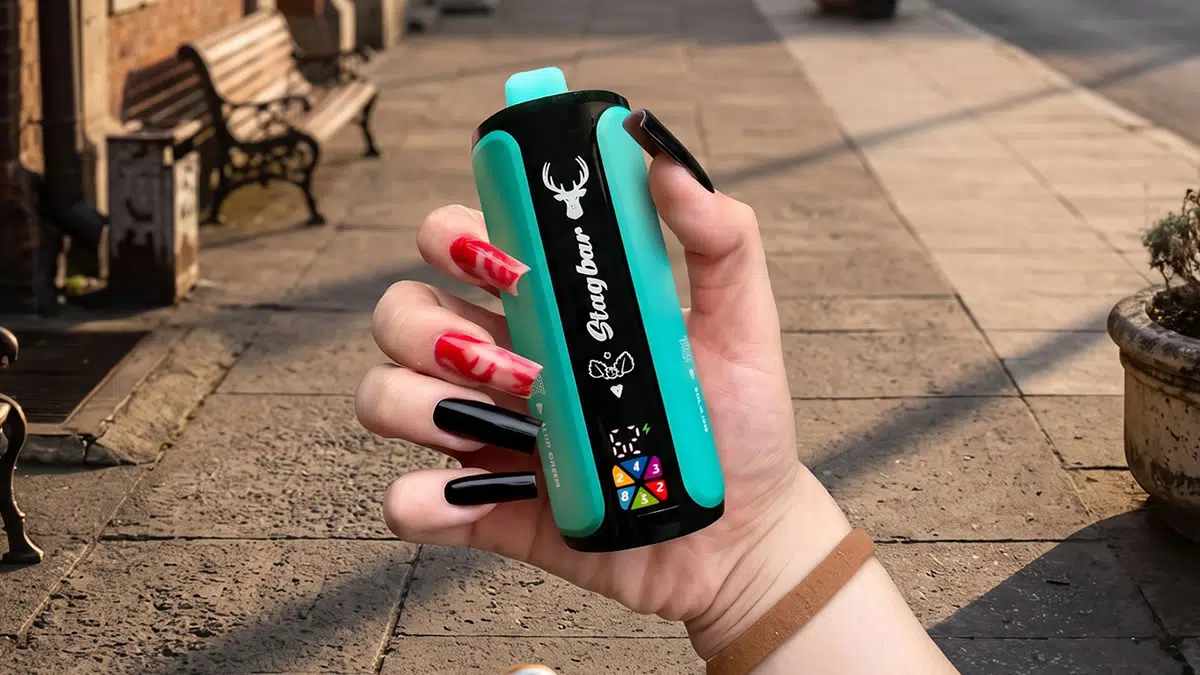
StagBar Vape 6in1 180K Puffs Disposable
The Stagbar 6-in-1 featuring a unique 6-flavor system and six independent mesh coils, this device allows users to switch between six distinct tastes in one sleek unit, delivering an unprecedented 180,000 puffs.
Harm Reduction: Weight Management and Diabetes Control
For adult smokers living with diabetes, quitting smoking is a critical health priority. However, abrupt tobacco cessation often leads to post-cessation weight gain. During the first year of quitting combustible cigarettes, individuals gain an average of 4 to 8 kilograms (9 to 18 pounds) due to a decreased resting metabolic rate and increased appetite.
For patients with diabetes, a sudden weight gain exceeding 5 kilograms can worsen glycemic control, elevate HbA1c levels, and temporarily offset the cardiovascular benefits of quitting smoking.
In this context, vaping serves as an effective harm-reduction tool:
- Weight Stabilization: By maintaining controlled nicotine delivery, e-cigarettes help suppress appetite and preserve metabolic rate during the initial transition away from cigarettes, preventing rapid weight spikes.
- Improved Glycemic Control: Observational data indicates that diabetic smokers who transition completely to e-cigarettes frequently experience improvements in overall glycemic control, largely due to the elimination of combustion-driven vascular stress and improved tissue oxygenation.
Practical Safety Strategies for Vapers with Diabetes
If you choose to vape while managing diabetes, implementing the following strategies can help minimize metabolic risks and keep blood glucose levels stable:
- Avoid Dual Use: Vaping while continuing to smoke traditional cigarettes maintains high exposure to combustion toxins. A complete transition to vaping is necessary to achieve harm-reduction benefits.
- Gradually Taper Nicotine Levels: Because nicotine reduces insulin sensitivity, gradually lowering your e-liquid nicotine concentration (e.g., from 12mg to 6mg, then 3mg, and eventually 0mg) can help mitigate its metabolic effects.
- Prioritize Hydration: Drink plenty of water throughout the day to counteract the dehydrating effects of propylene glycol. Proper hydration prevents hemoconcentration and supports accurate blood glucose readings.
- Monitor Blood Glucose More Frequently: Check your blood sugar levels regularly, especially after starting to vape or changing e-liquid formulations, to identify any personal patterns or sensitivities.
- Manage Hardware Settings: Use regulated devices with appropriate coil resistance and wattage settings. Avoid overheating e-liquids to prevent the thermal degradation of flavorings and sweeteners into harmful aldehydes.
Non-Inhalable Nicotine Alternatives
For individuals with diabetes who wish to avoid the potential pulmonary and metabolic effects of inhaled vapor, non-inhalable nicotine replacement therapies (NRTs) and alternative products are available:
- Nicotine Pouches: Oral pouches contain nicotine and food-grade fillers without tobacco leaf. They eliminate the inhalation of PG, VG, and thermal degradation products, making them a lower-risk option for blood sugar management.
- Nicotine Gum: A widely used NRT that provides controlled nicotine delivery to manage cravings without directly impacting blood glucose levels through inhalation or dehydration.
- Nicotine Patches: Transdermal patches offer a slow, steady release of nicotine into the bloodstream over 16 to 24 hours. This gradual delivery avoids the acute adrenaline spikes associated with rapid nicotine inhalation, resulting in a more stable metabolic profile.
Frequently Asked Questions (FAQs)
-
Can vaping cause a spike on my continuous glucose monitor (CGM)?
Yes. Because inhaled nicotine triggers a brief release of adrenaline, you may observe a minor, temporary rise on your CGM shortly after an intense vaping session. This is an acute sympathetic stress response rather than a dietary glucose spike, and it typically resolves quickly.
-
Does sweet-flavored vape juice break intermittent fasting?
No. Inhaling vaporized flavorings and non-nutritive sweeteners does not involve gastrointestinal digestion, caloric intake, or an oral insulin response. Therefore, it does not break a metabolic fast.
-
Is 0mg (nicotine-free) vaping safe for people with diabetes?
Nicotine-free e-liquids do not raise blood sugar, affect insulin sensitivity, or elevate blood pressure. For individuals with diabetes who want a sensory alternative to smoking without metabolic or cardiovascular effects, 0mg vapor presents a neutral option.
-
Do PG and VG turn into sugar in the body?
While propylene glycol and vegetable glycerin are polyols that can theoretically be converted into glucose in tiny amounts during liver metabolism, the quantity inhaled during normal vaping is too small to cause a measurable increase in blood glucose levels.
-
Should diabetics avoid vaping completely?
If you have diabetes and have never smoked, you should avoid vaping entirely. However, if you are an active smoker struggling to quit, switching completely to e-cigarettes can be a valuable temporary step to reduce cardiovascular and inflammatory risks before eventually weaning off nicotine altogether.
Disclaimer
Medical Disclaimer: The information provided in this article is for educational and informational purposes only and is not intended as professional medical advice, diagnosis, or treatment. Always consult with your physician or another qualified healthcare provider regarding any questions you may have about a medical condition, particularly when managing chronic illnesses like diabetes or adjusting your nicotine intake.


