No vaping product is entirely risk-free, as lungs are biologically designed to inhale only clean air. However, for adult smokers seeking harm reduction, the safest vapes are low-power, regulated mouth-to-lung (MTL) devices. These systems must use third-party tested e-liquids free of nicotine, heavy metals, and toxic additives like diacetyl and vitamin E acetate.
- Device Power Matters: Low-wattage MTL devices produce fewer thermal byproducts than high-power, cloud-chasing sub-ohm systems.
- E-Liquid Purity: Safe formulations use pharmaceutical-grade propylene glycol (PG), vegetable glycerin (VG), and avoid oil-based flavorings.
- Zero-Tolerance Ingredients: Avoid any products containing vitamin E acetate, diacetyl, acetyl propionyl, or illicit THC concentrates.
- Strict Quality Standards: Regulated products approved by agencies like the UK’s MHRA offer verified ingredient transparency compared to illicit disposables.
Public health agencies agree that inhaling clean air is the only zero-risk choice for your respiratory system. However, millions of smokers use electronic cigarettes as a transition tool to quit combustible tobacco. For these individuals, identifying the safest possible vaping configuration is a critical step in reducing exposure to toxins.
To make an informed decision, you must understand how device mechanics, e-liquid chemistry, and personal usage habits interact to affect your lung tissue. This guide compiles clinical research and regulatory standards to help you choose the least harmful path.
Vaping vs. Smoking: The Harm Reduction Baseline
Evaluating vape safety requires a direct comparison to combustible tobacco. Traditional cigarettes burn tobacco leaf at high temperatures, creating tar, carbon monoxide, and over 70,00 known carcinogens through combustion. You can read more about these toxins in the American Cancer Society report on tobacco chemicals.
Electronic cigarettes do not rely on combustion. Instead, they use an electrical resistance coil to heat an e-liquid solution into an aerosol. Because there is no smoke, vaping avoids the vast majority of cancer-causing chemicals produced by burning tobacco.
An independent safety report by the UK Government estimated that regulated e-cigarettes are approximately 95% less harmful than smoking. Furthermore, the Royal College of Physicians concluded that the long-term health risks of vaping are highly unlikely to exceed 5% of the harm caused by smoked tobacco. While this indicates a substantial reduction in harm, “less harmful” does not mean entirely safe.
Chemical Risks: What Actually Enters Your Lungs?
The respiratory impact of vaping depends primarily on the chemical composition of the aerosol. When e-liquids are heated, their base ingredients undergo thermal degradation, which can introduce unwanted substances into your airways.
The Base Liquids: PG and VG
Most e-liquids use a base of propylene glycol (PG) and vegetable glycerin (VG). Both are common food additives considered safe for ingestion, but inhalation is different. PG is thin and carries flavor efficiently, though it can cause throat dryness or mild irritation. VG is thicker and produces denser vapor clouds.
For users with sensitive airways, choosing high-VG or PG-free e-liquids can reduce throat irritation and coughing. You can explore the mechanics of these base ingredients in this guide to VG and PG ratios.
Thermal Degradation and Toxic Byproducts
When PG and VG are exposed to excessive heat, they break down into volatile carbonyl compounds, including formaldehyde, acetaldehyde, and acrolein. These compounds are known respiratory irritants and can damage lung cells over time. Research published on the effects of heating on vape aerosols shows that higher temperatures directly correlate with increased production of these toxic byproducts.
Additives to Avoid
To protect your lungs, you must avoid specific chemical additives that have been linked to severe respiratory diseases:
- Vitamin-E Acetate: This thickening agent, often found in illicit THC cartridges, was identified as the primary cause of EVALI (E-cigarette or Vaping Product Use-Associated Lung Injury). It should never be inhaled. Learn more about this compound in this report on vitamin E acetate dangers.
- Diacetyl: Used to create buttery, sweet flavors, diacetyl is linked to bronchiolitis obliterans, commonly known as “popcorn lung.” While banned in UK-regulated e-liquids, it may still appear in unregulated imported products. Read more about diacetyl and vape flavor safety.
- Unknown Botanical Oils: “Wellness” vapes containing vitamins, essential oils, or herbal extracts are marketed as healthy, but inhaling vaporized oils can cause lipoid pneumonia, a dangerous inflammatory lung condition.
Device Engineering: Features That Protect Your Airway
The physical design of your vaping hardware plays a major role in lung safety. High-quality engineering prevents the accidental inhalation of scorched materials and toxic metals.
Power Regulation and Temperature Control
Unregulated devices or basic mechanical mods deliver raw battery power directly to the coil. If the wick dries out, the coil overheats, causing a “dry hit” that burns the cotton wick and releases heavy doses of formaldehyde and acrolein.
Regulated devices with smart chipsets and temperature control (TC) technology prevent this. TC systems monitor the electrical resistance of the coil and automatically cut power if the temperature exceeds a safe threshold, preventing the e-liquid from overheating.
Coil and Heating Chamber Materials
The metal alloy used in the heating coil can leach trace elements into the aerosol. Low-quality coils may release nickel, chromium, or iron when heated. Opting for high-quality heating elements, such as medical-grade stainless steel, ceramic, or organic cotton wicks, reduces the risk of heavy metal inhalation. A study on heating elements and pulmonary inflammation highlights how material quality affects respiratory safety.
Airflow and Anti-Leak Engineering
Proper airflow cools the vapor before it reaches your mouth, reducing thermal irritation to your throat and trachea. Additionally, anti-leak technology prevents raw, unvaporized e-liquid from entering the central chimney, ensuring you do not accidentally swallow or inhale liquid droplets.
Comparing Vaping Systems
Different device types offer varying levels of safety, user control, and chemical exposure. The table below compares the three primary categories of vaping hardware.
| Device Type | Power Output | Toxin Risk Profile | Quality Control & Transparency |
|---|---|---|---|
| Open Systems (Refillable Pods/Mods) | Adjustable (Low to High) | Low to Moderate (User controls temperature and e-liquid choice) | High (Allows the use of third-party tested, certified e-liquids) |
| Closed Systems (Pre-filled Pods/Cigalikes) | Fixed (Low, typically <15W) | Low (Low power minimizes thermal degradation) | Very High (Regulated brands must submit ingredients to authorities) |
| Disposable Vapes (Single-Use) | Fixed (Low to Medium) | Moderate to High (Risk of unlisted ingredients in cheap imports) | Variable (Often lacks ingredient transparency and lab reports) |
For a detailed breakdown of hardware options, you can read this overview of different vaping devices.
Evaluating Market Options for Lung Safety
If you choose to vape for smoking cessation, selecting a device designed for low-power, mouth-to-lung (MTL) inhalation is highly recommended. High-power, sub-ohm devices designed for “cloud chasing” vaporize much larger volumes of liquid per puff, which increases your overall exposure to chemical compounds. A study on high-power vaping and lung injury confirms that high-wattage systems present greater risks to respiratory health.
Here are several highly rated, low-power options designed with safety features:
- Vaporesso XROS 3: A regulated pod system featuring precision airflow control, a reliable chipset that prevents overheating, and leak-resistant pods. It is optimized for low-wattage MTL vaping.
- OXVA XLIM v2: Known for its consistent power output and high-quality organic cotton coils, this device ensures uniform heating to eliminate burnt tastes and minimize chemical byproducts.
- Smok Nord Pro: Offers built-in safety protections, including short-circuit protection and an automatic cut-off timer to prevent accidental firing in your pocket.

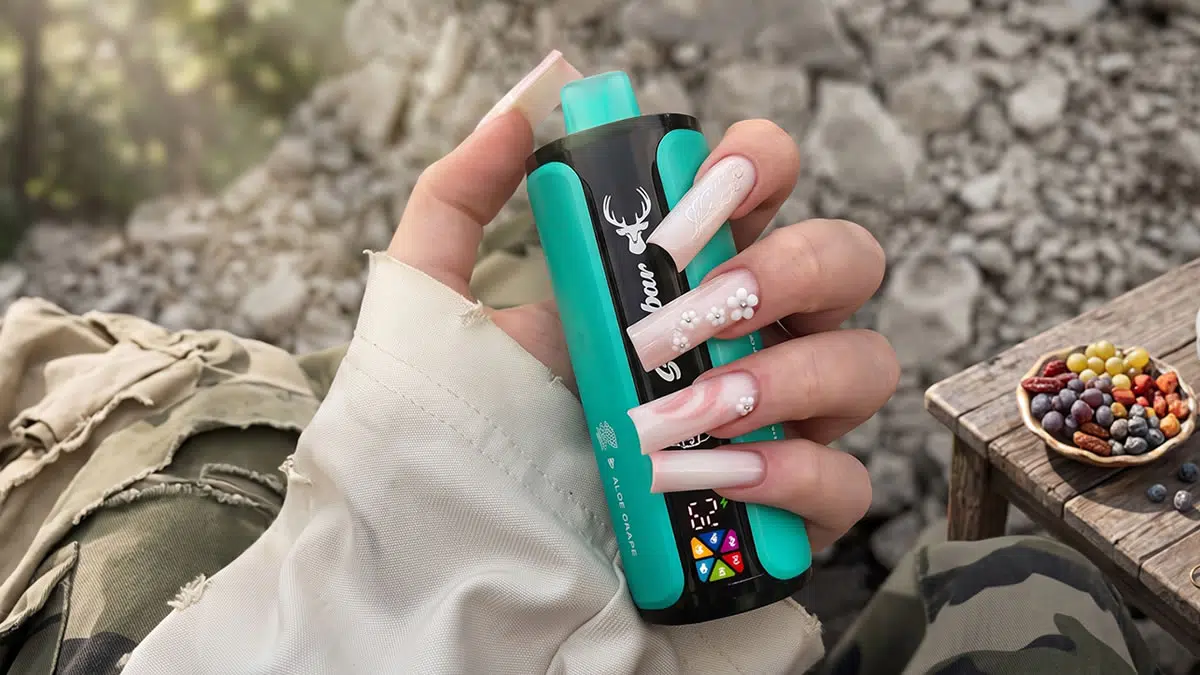
StagBar Vape 4in1 80K Puffs Disposable
The Stagbar 4-in-1 80,000 is a revolutionary high-capacity disposable featuring 4 flavors and 4 independent mesh coils in one device, delivering an industry-leading 80,000 puffs.
To learn more about choosing a secure products, consult this guide on the safest vape products on the market.
Building Habits That Protect Your Airway
Your daily usage habits have a direct impact on your respiratory health, regardless of the device you use. Implementing basic harm-reduction practices can significantly reduce irritation.
- Avoid “Chain Vaping”: Taking rapid, consecutive puffs does not allow the wick to re-saturate with e-liquid. This causes the coil to run hot, leading to localized burning of the wick and the release of toxic carbonyls.
- Stay Hydrated: Propylene glycol and vegetable glycerin are hygroscopic, meaning they attract and absorb water molecules. This can dehydrate your throat and upper airways, making you more susceptible to coughing. Drink water regularly while vaping.
- Replace Coils Promptly: As a coil ages, caramelized e-liquid residue builds up on the heating element. This residue burns during use, altering the flavor and releasing carbonaceous particles into the vapor. Replace your coil as soon as you notice a change in taste.
- Verify Product Sources: Only purchase e-liquids and hardware from reputable manufacturers that comply with local regulations. In the UK, look for products registered with the MHRA vape guidance hub, which ensures compliance with TPD and TRPR standards.
For more details on device upkeep, refer to this proper device maintenance guide.
Non-Inhalation Alternatives for Nicotine Delivery
If you are concerned about your lung health but still need to manage nicotine cravings, the most effective strategy is to bypass your lungs entirely. There are several clinically proven methods to achieve this:
- Nicotine Replacement Therapy (NRT): Medically approved products like nicotine patches, gums, lozenges, and inhalators are designed to deliver clean nicotine through the skin or oral mucosa, completely eliminating inhalation risks.
- Nicotine Pouches: Spit-free, tobacco-free pouches placed under the upper lip deliver nicotine through the gums, leaving your lungs completely unaffected.
- Behavioral Support Programs: Combining nicotine alternatives with professional counseling or smoking cessation apps dramatically increases your chances of successfully quitting both smoking and vaping.
Frequently Asked Questions (FAQs)
-
Is there any vape that is 100% safe for my lungs?
No. Lungs are designed to inhale only clean air. Any aerosolized chemical, even if nicotine-free, can cause mild irritation and inflammation over time. Vaping should only be used as a harm-reduction tool to quit smoking, not as a lifestyle habit for non-smokers.
-
What is the safest e-liquid base for sensitive lungs?
E-liquids with a high ratio of vegetable glycerin (VG) or entirely PG-free formulations are generally gentler on the throat and lungs, as propylene glycol (PG) is the primary cause of throat irritation and dryness.
-
How do I know if my vape coil is releasing harmful chemicals?
If your vape tastes burnt, scratchy, or metallic, your coil has degraded or the wick has scorched. Vaping on a burnt coil increases your exposure to heavy metals and toxic aldehydes. Replace your coil or pod immediately.
-
Are disposable vapes worse for your lungs than refillable vapes?
Disposable vapes can carry higher risks if sourced from unregulated channels. Many cheap, illicit disposables lack ingredient transparency, may contain illegal levels of nicotine, and are not tested for heavy metals or banned flavorings like diacetyl.
-
Are nicotine-free vapes completely safe?
No. Removing nicotine eliminates the risk of addiction and cardiovascular strain, but the aerosol base (PG/VG) and flavorings must still be heated and inhaled, which can cause respiratory irritation and cellular stress.
Medical Disclaimer
The information provided in this article is for educational and harm-reduction purposes only and does not constitute medical advice. Vaping is not a risk-free practice, and the long-term health consequences of e-cigarette use are still being studied. If you suffer from pre-existing respiratory conditions such as asthma, COPD, or cardiovascular disease, consult a qualified healthcare professional before using any vaping product. The most effective way to protect your lung health is to avoid both smoking and vaping entirely.


