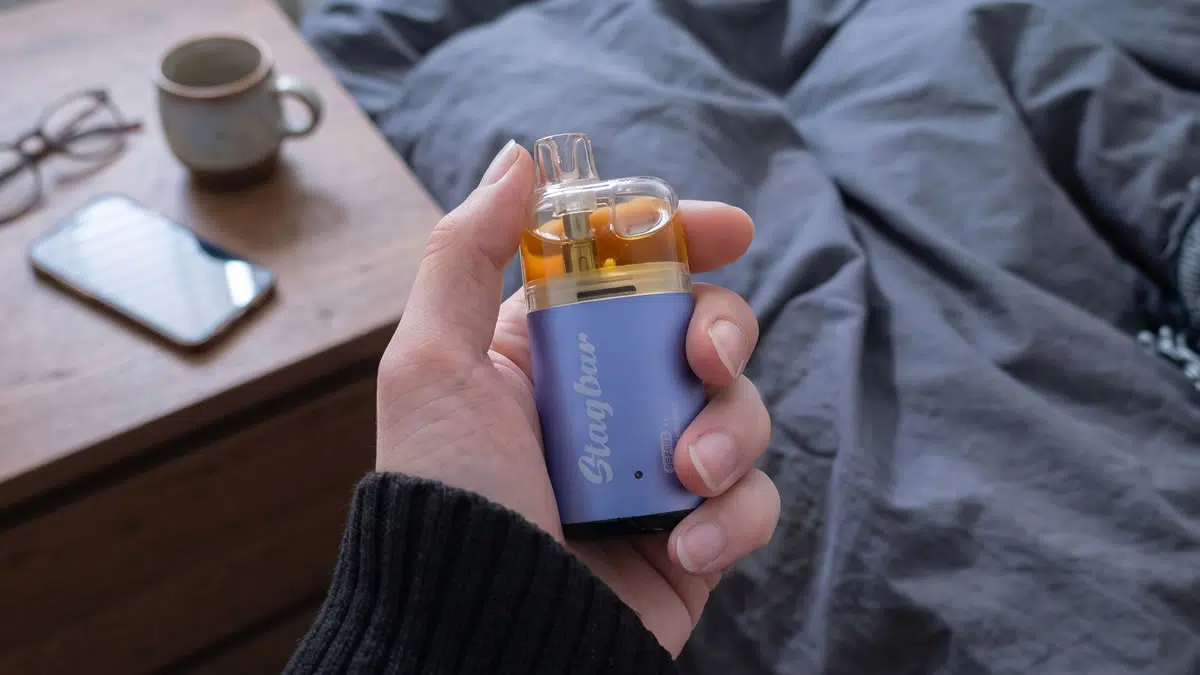
Commercial sale, importation, and manufacturing of all electronic cigarettes are strictly illegal in Brazil under regulations set by the national health agency, ANVISA. While personal use in private or outdoor spaces is not classified as a criminal offense, bringing vape devices across international borders is prohibited, and indoor public vaping is banned nationwide.
- Commercial Ban: ANVISA Resolution RDC No. 855/2024 bans the sale, import, distribution, storage, and advertising of all vaping devices.
- Customs Authority: Customs officers at international entry points have the legal authority to confiscate vape devices found in carry-on or checked baggage.
- Indoor Use Prohibited: National smoke-free laws treat e-cigarettes identically to combustible tobacco, prohibiting use in enclosed collective spaces.
- No Regulated Market: Authorized vape shops do not exist in Brazil; products sold by street vendors or online belong entirely to an unregulated underground market.
Brazil enforces some of the strictest anti-vaping regulations in South America. The Brazilian Health Regulatory Agency (ANVISA) updated and reinforced its total prohibition on electronic smoking devices in April 2024. Travelers and residents navigate a distinct gap between formal federal statutes and everyday public use.
Understanding the exact legal boundaries established by Brazilian authorities helps international visitors avoid device confiscation, fines, and administrative penalties while traveling through international airports, domestic transit hubs, and public venues.
The Legal Framework: ANVISA Regulations and Federal Legislation
The regulatory stance against electronic nicotine delivery systems (ENDS) in Brazil dates back to 2009, when ANVISA issued Resolution No. 46. This initial ruling banned the manufacture, commercial sale, importation, and advertising of electronic cigarettes across the national territory.
On April 19, 2024, ANVISA’s collegiate board voted unanimously to maintain and tighten these restrictions, formally publishing Resolução da Diretoria Colegiada – RDC Nº 855 on April 23, 2024. This directive updated the regulatory structure to cover all modern iterations of vaping technology, including:
- Disposable e-cigarettes (puffs)
- Refillable pod systems and box mods
- Nicotine-containing and zero-nicotine e-liquids
- Heated Tobacco Products (HTPs)
- Replacement atomizers, coils, and specialized cartridges
Under RDC 855/2024, the prohibition explicitly extends to personal luggage. Travelers entering the country are legally prohibited from bringing electronic smoking devices into Brazil, regardless of whether the items are intended solely for personal consumption.
Personal Possession vs. Commercial Prohibition
Brazilian law establishes a clear legal distinction between commercial operations and personal possession. While the regulatory framework aggressively targets the supply chain, individual consumers face a different legal standard once inside the country.
Holding or using an e-cigarette is not defined as a crime under the Brazilian Penal Code. An individual carrying a personal vape device on the street cannot be arrested purely for holding the item. Federal sanctions, which include fines ranging from BRL 2,000 to BRL 1,500,000, target commercial entities, distributors, and bulk importers rather than individual adult users.
However, because the physical act of transporting a device into the country violates import rules, border authorities maintain full jurisdiction to seize personal devices at ports of entry.
Border Customs, Airport Security, and Domestic Air Travel
Navigating airport customs and transportation security involves two separate sets of regulations: national import laws and international aviation safety standards.
International Customs Screening
Official travel advisories, including the GOV.UK Foreign Travel Advice, warn travelers that importing vapes into Brazil is prohibited. Customs personnel operating at major international gateways, such as São Paulo/Guarulhos (GRU) and Rio de Janeiro/Galeão (GIG), possess the legal mandate to inspect baggage and seize non-compliant products.
Border inspections typically focus on commercial-scale smuggling. Travelers carrying a single device in their personal effects often report passing through customs without inspection, but random checks do occur. If an officer discovers an electronic cigarette during an inspection, the standard protocol is immediate confiscation and disposal.
Aviation Safety and Battery Rules
For flights to and within Brazil, aviation safety protocols strictly govern how lithium-ion batteries must be transported. Passengers must follow standard airline safety criteria:
- Carry-On Baggage: All electronic cigarette devices, spare lithium batteries, and external power banks must remain in carry-on luggage or on your person. Placing loose lithium batteries in checked cargo holds is forbidden due to cabin fire risks.
- Liquid Limits: E-liquid bottles carried into passenger cabins must comply with international liquid limits (containers must not exceed 100ml and must fit inside a transparent, resealable bag).
- Domestic Security Checkpoints: Security personnel at domestic airport checkpoints scan carry-on luggage for flight safety. While domestic screeners focus primarily on aviation hazards rather than ANVISA commercial enforcement, displaying loose devices directly in screening bins can occasionally result in voluntary abandonment requests.
Strict Prohibition of Cannabis and THC Vapes
While standard nicotine e-cigarettes occupy an administrative gray area for personal possession, products containing THC, CBD, or cannabis extracts are subject to strict narcotics laws under Brazil’s Federal Drug Law (Law No. 11.343/2006). Bringing cannabis cartridges or THC oil pens into Brazil can result in immediate criminal arrest and prosecution for international drug trafficking.

StagBar Vape 4in1 80K Puffs Disposable
The Stagbar 4-in-1 80,000 is a revolutionary high-capacity disposable featuring 4 flavors and 4 independent mesh coils in one device, delivering an industry-leading 80,000 puffs.
Public Vaping Rules: Indoor Bans and Outdoor Norms
Public use of electronic cigarettes in Brazil is governed by national clean indoor air legislation, specifically Federal Law No. 9.294/1996, alongside subsequent municipal and state decrees.
| Location Category | Legal Status | Enforcement Level |
|---|---|---|
| Enclosed Public Spaces (Restaurants, bars, malls, offices) | Strictly Prohibited | High; property owners risk administrative fines for non-compliance. |
| Public Transit & Stations (Subways, buses, airport terminals) | Strictly Prohibited | High; security personnel will intervene and demand cessation. |
| Open Outdoor Areas (Public streets, sidewalks, urban parks) | Permitted by custom (Not criminalized) | Low; widely observed without police intervention. |
| Beaches & Open-Air Events (Copacabana, open-air Carnaval blocos) | Permitted by custom | Minimal; widespread use among locals and tourists alike. |
| Dedicated Venues (Stadiums, sambadromes, arenas) | Restricted to designated zones | Moderate; venue security directs users to designated smoking points. |
Indoor venues do not permit vaping. The law treats vaporizers identically to combustible cigarettes; using a device inside a restaurant, bar, nightclub, or shopping center will prompt staff to intervene. Outdoor spaces, including open-air street parties during Carnaval, see widespread use where personal vaping generally proceeds without incident.
The Underground Market and Consumer Risks
Because ANVISA prohibits authorized retail distribution, there is no regulated, legal commercial supply chain for vaping products within Brazil. Consumers who do not bring their own supplies encounter a completely unregulated domestic market.
Field data and regional reporting show that illegal disposable devices are widely distributed through informal channels, including unauthorized kiosks, beach vendors, convenience counters, and illicit online storefronts. The absence of market oversight creates concrete consumer hazards:
- Unverified Ingredients: Illicit products bypass testing for harmful contaminants, heavy metals, or prohibited chemical additives like diacetyl.
- Inaccurate Nicotine Concentrations: Packaging labels on illicit devices often misrepresent actual nicotine strengths or utilize poor-grade synthetic nicotine salts.
- Battery Defects: Counterfeit hardware lacks standardized circuit protection, increasing the risk of thermal runaway and battery failure during charging or use.
Travelers should not rely on purchasing replacement coils, pods, or quality e-liquids locally, as legitimate retail outlets do not exist.
Public Health Data and the Legislative Debate
Brazil’s official regulatory policy is driven by public health initiatives aimed at curbing nicotine addiction, particularly among adolescents. Data from the Brazilian Institute of Geography and Statistics (IBGE / PeNSE) indicated that approximately 16.8% of students aged 13 to 17 had experimented with electronic cigarettes.
ANVISA justified its 2024 resolution by citing technical guidance from the World Health Organization, which advises governments to restrict ENDS access to prevent youth uptake and protect long-term tobacco control gains. Research from the Global State of Tobacco Harm Reduction (GSTHR) estimated that Brazil had roughly 3.5 million adult vapers in 2023, reflecting a 2.1% prevalence rate despite the continuous sales prohibition.
Concurrently, the National Congress continues to review alternative regulatory frameworks. Legislative proposals, such as debates surrounding Senate Bill No. 2355, seek to establish a regulated, taxed commercial structure for adult smokers while maintaining youth purchase restrictions. However, until federal legislation passes, ANVISA’s complete commercial ban remains the governing law of the land.

StagBar Vape 6in1 180K Puffs Disposable
The Stagbar 6-in-1 featuring a unique 6-flavor system and six independent mesh coils, this device allows users to switch between six distinct tastes in one sleek unit, delivering an unprecedented 180,000 puffs.
Frequently Asked Questions
-
Can I bring my vape on an airplane to Brazil?
Under ANVISA Resolution RDC 855/2024, bringing electronic cigarettes into Brazil—even in personal luggage—is officially prohibited, and customs officials have the legal right to confiscate devices. If you travel with a device, international aviation safety rules require that it be stored exclusively in carry-on baggage, as lithium batteries are forbidden in checked luggage.
-
Is it a crime to hold or use a vape in Brazil?
No. Personal possession and individual use are not criminal offenses under the Brazilian Penal Code. The law penalizes commercial activities such as manufacturing, selling, importing, and distributing. However, personal use remains restricted in enclosed public indoor environments under federal smoke-free laws.
-
Can I buy e-liquids or disposable vapes in stores in Brazil?
You cannot buy legal, regulated vaping products in Brazil. While illicit disposable vapes are frequently sold by informal street vendors and unauthorized kiosks, these products are unregulated, potentially counterfeit, and distributed in violation of federal health codes.
-
Can I vape on the beach or during Carnaval in Brazil?
Yes. Vaping outdoors on public beaches (such as Copacabana or Ipanema) and in open-air street festivals (blocos) during Carnaval is common and generally unpoliced. You must still avoid using devices inside enclosed restaurants, beachside pavilions, or indoor hospitality zones.
-
Are nicotine replacement therapies (NRT) legal in Brazil?
Yes. Standard smoking cessation aids such as nicotine patches, gums, and lozenges are fully registered, regulated, and available for purchase over the counter in pharmacies across Brazil.
Disclaimer: This article provides general informational guidance regarding Brazilian regulatory policies and traveler observations. It does not constitute formal legal counsel. Aviation regulations, customs practices, and local administrative enforcement may vary by municipality and port of entry. Travelers should consult official notices from ANVISA and their respective national foreign ministries prior to departure.


