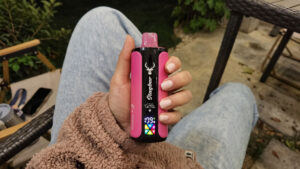
Vaping is legal in Italy for adults aged 18 and older, but device use is heavily restricted in enclosed public areas, public transport, and outdoor zones near minors or pregnant women. Violations carry fines ranging from €27.50 to €550, and all equipment must comply with European Union standards.
- Public Restrictions: Vaping is banned in schools, hospitals, enclosed transit, and outdoors in the presence of minors or pregnant women.
- Product Limits: E-liquids are capped at a maximum nicotine strength of 20 mg/ml, with tank capacities limited to 2 ml and refill bottles to 10 ml.
- Fines for Violations: Individuals caught vaping in prohibited spaces face fines from €27.50 up to €550.
- Air Travel Rules: All vape batteries and devices must travel in carry-on luggage, never in checked baggage.
Vaping is permitted across Italy, but it operates under a detailed regulatory structure shaped by both domestic legislation and European Union directives. Travelers and residents must navigate specific boundaries regarding where e-cigarettes can be used, how products are purchased, and what gear is legally allowed across borders.
Understanding these statutes helps visitors avoid administrative fines and confiscated equipment while traveling through Italian cities, transit hubs, and coastal regions.
Legal Status and Governing Framework
Italy regulates electronic cigarettes through a combination of national health decrees and the European Union Tobacco Products Directive (TPD). Under Legislative Decree No. 6/2016, the Italian government established technical, safety, and marketing requirements for all nicotine-delivering devices.
According to health data, approximately 1.37% to 3% of Italian adults use e-cigarettes regularly. National health agencies classify vaping as a reduced-risk alternative compared to combustible tobacco, yet the regulatory framework maintains strict consumer safeguards, particularly concerning youth protection and product manufacturing.
| Category | Legal Standard | Governing Provision |
|---|---|---|
| Legal Age to Purchase | 18 years old | Legislative Decree 6/2016, Art. 24 |
| Maximum Nicotine Strength | 20 mg/ml (2%) | EU TPD / Decree 6/2016 |
| Maximum Tank Size | 2 ml capacity | EU TPD Standards |
| Refill Bottle Volume | 10 ml maximum | EU TPD Standards |
| Standard Penalty Range | €27.50 to €550 | Law 3/2003 / Health Code Updates |
Where Vaping Is Prohibited in Italy
The rules governing where people can use e-cigarettes in Italy trace back to Law No. 3/2003 (the Sirchia Law). While subsequent legislative updates (such as Parliamentary Amendment 4.25 in 2013) separated vapor from combustible smoke, clear restrictions remain active across several public sectors.
1. Enclosed Public Facilities
Vaping is banned by law in specific educational and medical environments:
- All school buildings, courtyards, and vocational training facilities.
- Hospitals, medical clinics, and healthcare centers.
- Juvenile correctional institutions and government employment centers.
2. Public Transportation
Transit operators across Italy prohibit vaping on all forms of mass transportation. Major national rail operators, including Trenitalia, Italo (Nuovo Trasporto Viaggiatori), and Trenord, enforce strict bans on board trains and enclosed station platforms. The same ban applies to domestic commercial flights, public buses, trams, and indoor areas of maritime ferries.
3. Vulnerable Populations Outdoors
National health directives forbid both smoking and vaping in open-air spaces when children, minors under 18, or pregnant women are present. Violating this provision in parks, open dining areas, or bus stops triggers higher financial penalties.
4. Hospitality Establishments: Bars, Cafés, and Restaurants
Italian statutory law gives private business operators full autonomy over their indoor premises. Restaurant and bar owners can decide whether to allow vaping inside their establishments. If no clear signage is posted, visitors should ask staff: “È permesso svapare qui?” (Is it permitted to vape here?) before using a device.
5. Municipal and Beach Restrictions
Individual municipalities enforce local clean-air ordinances that go beyond national minimums. In Milan, outdoor smoking and vaping are restricted in crowded public areas unless a distance of at least 10 meters from other people is maintained. Popular coastal regions in Sardinia, Sicily, and along the Adriatic coastline have established smoke-free beaches where using any nicotine device on the sand is prohibited.
Penalties and Fines for Illegal Vaping
Enforcement officers, including the local municipal police (Polizia Municipale) and public health inspectors, issue administrative citations for non-compliance:
- Standard Individual Fines: Ranging from €27.50 to €275 for standard public violations, increasing up to €550 in aggravated circumstances (such as vaping in direct proximity to young children or pregnant women).
- Business Operator Fines: Business managers who fail to post required non-smoking/vaping signage or fail to report flagrant violations face fines from €220 to €2,200, alongside possible temporary business suspensions.
- Retail Sales to Minors: Shop owners caught selling vaping hardware or e-liquids to anyone under 18 face penalties between €500 and €3,000, along with a mandatory 15-day license suspension. Repeat infractions incur fines up to €8,000 and license revocation.

StagBar Vape 4in1 80K Puffs Disposable
The Stagbar 4-in-1 80,000 is a revolutionary high-capacity disposable featuring 4 flavors and 4 independent mesh coils in one device, delivering an industry-leading 80,000 puffs.
Purchasing Vape Gear in Italy
Vaping equipment is widely accessible across Italian cities through two main retail channels:
- Specialized Vape Shops (Negozi di Sigarette Elettroniche): Dedicated storefronts stocking hardware, replacement coils, and flavored e-liquids adhering to Italian Ministry of Health registration guidelines.
- Licensed Tobacco Shops (Tabaccherie): State-authorized tobacco retailers displaying a black-and-white “T” sign, often carrying pod systems, heated tobacco products, and replacement cartridges.
Automated vending machines outside tobacco shops operate after standard business hours. However, these machines require an Italian electronic health card (Tessera Sanitaria) or national identity card to verify age. Foreign credit cards or passports cannot be read by most automated dispensers, requiring international travelers to make purchases during standard operating hours.
Liquid Taxation
Italy applies excise taxes through the Customs and Monopolies Agency (ADM). E-liquids containing nicotine carry a tax rate of roughly €0.13 per milliliter, while nicotine-free formulas are taxed at approximately €0.08 per milliliter. These domestic excise rates raise retail prices compared to non-EU markets.
Airport Security and Airline Travel Rules
Travelers flying into Italian airports (such as Rome Fiumicino, Milan Malpensa, or Venice Marco Polo) must adhere to international aviation security standards regarding batteries and liquids.
| Item | Luggage Type | Packing Rule |
|---|---|---|
| Vape Devices & Pens | Carry-on baggage only | Strictly prohibited in checked luggage due to lithium-ion fire hazard. |
| Spare Batteries | Carry-on baggage only | Must be stored in dedicated plastic cases to prevent contact with metal. |
| E-Liquids & Pods (≤ 100 ml) | Carry-on baggage | Must fit within a single 1-liter clear, resealable plastic bag. |
| Bulk E-Liquids (> 100 ml) | Checked baggage | Bottles exceeding 100 ml must be packed securely in hold luggage. |
Because aircraft cabin pressure drops during flight, clearomizers and refillable tanks expand, frequently causing e-liquid leaks. Emptying all tanks before boarding avoids spillages inside hand luggage. Charging devices on aircraft is strictly illegal.

StagBar Vape 6in1 180K Puffs Disposable
The Stagbar 6-in-1 featuring a unique 6-flavor system and six independent mesh coils, this device allows users to switch between six distinct tastes in one sleek unit, delivering an unprecedented 180,000 puffs.
Safety Standards for Hardware and Disposables
All vaping products distributed across Italy must meet European electrical and environmental safety directives. When acquiring hardware locally, check for the following markings:
- CE Certification: Proves the electronics and internal battery have passed European safety compliance testing.
- WEEE Symbol (Crossed-Out Bin): Indicates the product cannot be discarded in domestic trash. Disposable vapes must be returned to dedicated electronics collection points or participating retailers for proper recycling.
- Child-Resistant Packaging: Refill bottles must feature certified tamper-evident and childproof mechanisms.
Frequently Asked Questions
-
Is it legal to use disposable vapes in Italy?
Yes. Disposable vapes that comply with EU TPD requirements (maximum 2 ml liquid capacity and up to 20 mg/ml nicotine) remain legal for purchase and use by adults aged 18 and older throughout Italy.
-
Can you vape while driving in Italy?
Italian law explicitly bans smoking traditional tobacco inside motor vehicles if pregnant women or minors are present. While e-cigarettes are not explicitly named in every driving code provision, traffic police can issue citations under broader distracted-driving statutes if device use interferes with vehicle control.
-
Are nicotine-free e-liquids subject to age verification?
Yes. Italian retail statutes require proof of majority (18+) for all vaping hardware, accessories, and e-liquids, regardless of whether the liquid contains nicotine.
-
Can tourists buy e-cigarettes from street vending machines?
Generally, no. Italian automated vending machines require a domestic fiscal code card or Italian health card to verify age. Foreign identity cards and foreign passports are not accepted by most machine card readers.
-
Where are designated smoking and vaping zones located at Italian airports?
Major hubs like Rome Fiumicino (FCO) provide ventilated indoor smoking lounges past airport security checkpoints. Smaller regional airports often require travelers to use exterior smoking zones located outside the main terminal buildings before passing through security.
Disclaimer: This guide provides general informational content regarding Italian vaping laws and travel regulations. Regulatory policies, municipal ordinances, and aviation rules change frequently. Travelers and consumers should consult official updates from the Italian Ministry of Health (Ministero della Salute) or their airline prior to departure.