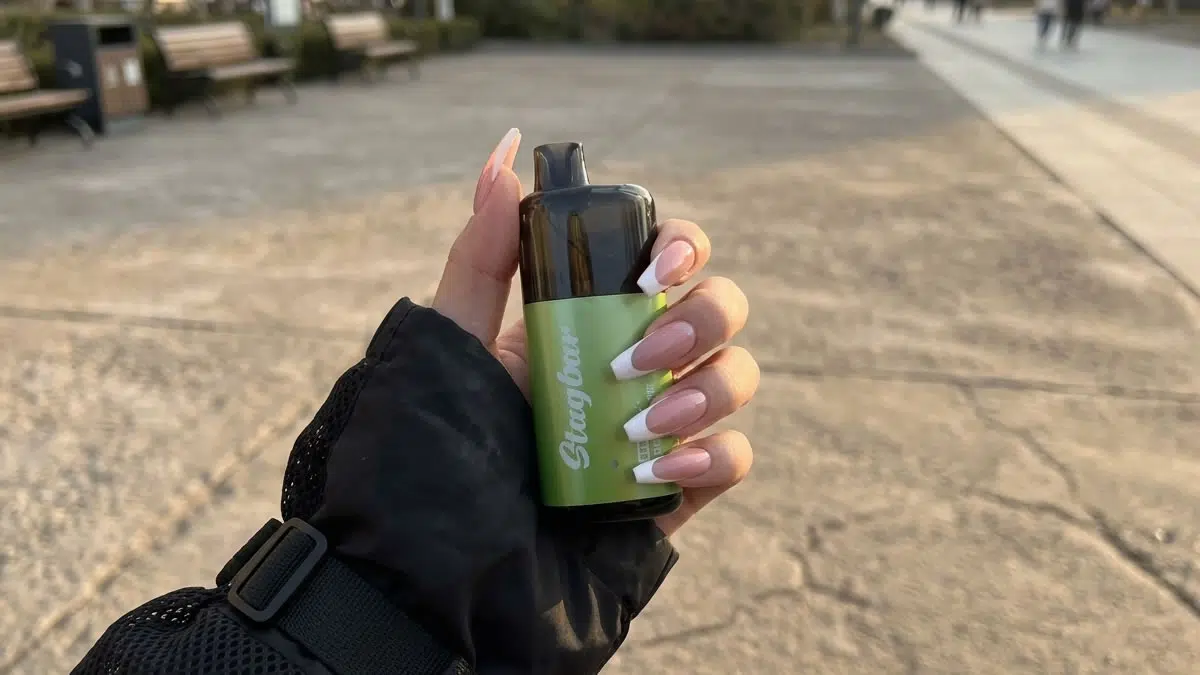
Yes, you can legally vape in Argentina. In May 2026, the Argentine government formally ended its 15-year ban on electronic cigarettes under Resolution 549/2026, establishing a legal market for refillable devices. However, strict limits apply: single-use disposable vapes remain prohibited, e-liquid flavors are banned except for tobacco, and public indoor vaping is illegal.
- Regulatory Status: Resolution 549/2026 ended the total prohibition established in 2011, legalizing refillable vapes and heated tobacco products under strict registration.
- Banned Formats: Disposable (single-use) vapes and non-tobacco e-liquid flavors are illegal nationwide.
- High Tariffs: Decree 305/2026 applies the maximum World Trade Organization bound tariff rates to all imported vaping products.
- Travel Rules: Tourists may bring refillable devices and small amounts of e-liquid for personal use, provided all batteries are packed in carry-on luggage.
Argentina has officially replaced its long-standing prohibition on electronic nicotine delivery systems with a formal regulatory framework. Through joint administrative actions published in May 2026, health and economic authorities established national product standards, tax classifications, and commercial rules for electronic cigarettes, heated tobacco devices, and nicotine pouches.
While the updated legislation creates a pathway for adult consumers to access regulated devices, it imposes rigorous product standards and heavy customs duties. International travelers and domestic consumers must navigate these specific restrictions to remain compliant with Argentine law.
Argentina’s Regulatory Framework: Resolution 549/2026 and Decree 305/2026
Between 2011 and early 2026, Argentina operated under a strict prohibition on the importation, distribution, and commercialization of electronic cigarettes, governed by ANMAT Disposition 3226/2011 and Joint Resolution 565/2023. Public health data indicated that prohibition did not stop consumption; instead, it fueled an unregulated black market. Data from SEDRONAR in 2025 revealed that electronic cigarette use reached a prevalence of 35.5% among secondary school students.
To establish regulatory oversight and quality control, the Ministry of Health, the Ministry of Economy, and ANMAT issued Resolution 549/2026. This regulation aligns all electronic nicotine delivery systems with national tobacco control standards under Law 26,687.
Under this resolution, manufacturers and importers must register products with the National Registry of Tobacco and Nicotine Products (RNPTN) via the official TAD government platform. Registration requires toxicological documentation, chemical formula disclosures, and emissions analysis certificates from accredited laboratories.
Simultaneously, President Javier Milei enacted Decree 305/2026, amending Annex V of Decree 557/2023. This decree incorporates electronic cigarettes, heated tobacco cartridges, and nicotine pouches into the Mercosur Common Nomenclature (NCM) and assigns them the maximum import duty rate bound by Argentina at the World Trade Organization (WTO). This dual approach opens a legal commercial channel while applying high tariffs to encourage domestic production and discourage illicit trade.
Permitted vs. Prohibited Vaping Products
Argentina distinguishes clearly between authorized alternative nicotine devices and prohibited formats. To deter youth uptake, specific product classes and ingredients remain banned.
| Product Category | Legal Status | Nicotine / Volume Limit | Flavor Restrictions |
|---|---|---|---|
| Refillable E-Cigarettes | Legal (Requires RNPTN registration) | Standard open systems | N/A (Hardware only) |
| Disposable Vapes (Puffs) | Prohibited | Banned entirely | Banned entirely |
| Vape E-Liquids | Legal (Registered products) | Capped at 20 mg/ml | Tobacco flavor only (Fruit & sweet flavors banned) |
| Heated Tobacco Products (HTP) | Legal (Registered products) | Capped at 5 mg per stick | Tobacco flavor only |
| Nicotine Pouches | Legal (Registered products) | Capped at 8 mg per pouch | Tobacco and Menthol only |
| Nicotine Replacement Therapy (NRT) | Legal (Over-the-counter) | Standard pharmaceutical limits | Standard medical formulations |
All sweet, dessert, and fruit flavorings are eliminated across every electronic nicotine category. Additionally, additives that imply health benefits—such as vitamins, minerals, and caffeine—are illegal. Packaging must display mandatory health warnings, and advertising remains heavily restricted under Law 26,687.
Advocacy groups have noted both the progress and the limits of this policy. Alberto Gómez Hernández, Policy Manager at the World Vapers Alliance, stated:
“This is a milestone for adult smokers in Argentina, who now have access to regulated, less harmful alternatives to cigarettes. Politicians listened and finally recognised that prohibition is not a solution. However, an effective framework should remove unnecessary restrictions on nicotine limits and allow flavoured products to maximise the number of smokers switching.”

StagBar Vape 4in1 80K Puffs Disposable
The Stagbar 4-in-1 80,000 is a revolutionary high-capacity disposable featuring 4 flavors and 4 independent mesh coils in one device, delivering an industry-leading 80,000 puffs.
Travel Rules: Bringing Vapes into Argentina
Tourists traveling to Argentina can bring personal vaping devices into the country, but they must comply with customs rules and aviation safety protocols.
Airport Security and Airline Regulations
International aviation standards dictate how passenger electronic nicotine devices must be transported when flying into airports such as Ministro Pistarini International Airport (EZE) in Buenos Aires:
- Carry-On Baggage Only: All vape hardware, pod mods, and spare lithium-ion batteries must remain in your carry-on luggage. Packing lithium batteries in checked baggage is strictly forbidden by international aviation safety rules due to fire risks.
- Liquid Volume Rules: E-liquids carried in the cabin must adhere to standard security measures: bottles must not exceed 100 ml (3.4 oz) each and must fit inside a clear, quart-sized resealable plastic bag. Larger liquid containers must be packed securely in checked luggage.
- Tank Pressure: Cabin pressure shifts during flights often force liquid out of vape tanks. Empty tanks and clearomizers prior to boarding to avoid leaks.
Customs Allowances and Inspection
Argentine customs officials allow reasonable quantities of hardware and e-liquid intended solely for personal use. Attempting to bring commercial quantities through customs without prior RNPTN authorization and payment of WTO-level tariffs will lead to confiscation and fines.
Where Can You Vape? Public Vaping Laws
Argentina applies the indoor clean air provisions of National Tobacco Law 26,687 directly to electronic cigarettes and heated tobacco devices. As a rule, vaping is prohibited wherever combustible smoking is banned.
You must not vape in the following areas:
- Enclosed public spaces, shopping centers, and retail stores
- Restaurants, cafés, bars, and nightclubs (unless an open-air patio is explicitly designated)
- Public transportation, including trains, buses, and the Buenos Aires Subte
- Government buildings, educational centers, and healthcare facilities
- Commercial airports, outside of marked, outdoor smoking shelters
Vaping is permitted in open outdoor spaces, such as public parks, city streets, and private residences, provided no local municipal ordinances state otherwise.
Market Availability: Buying Vapes in Argentina
Because the legal commercialization framework is tied to strict registration requirements and high import tariffs, the domestic retail landscape is developing gradually.
Traditional convenience stores and street kiosks rarely carry legitimate vape hardware. To purchase replacement coils, unflavored liquids, or registered heated tobacco units, consumers must visit specialized vape shops (often marked as Vaporizadores or Vape Shops) in major metropolitan areas like Buenos Aires (notably in Palermo, Recoleta, and Belgrano), Córdoba, and Rosario.
Hardware and consumable availability in smaller towns and rural areas, including Patagonia, remains limited. Travelers who use open-system devices should carry adequate supplies of replacement coils and unflavored or tobacco-flavored e-liquids for the duration of their stay.

StagBar Vape 6in1 180K Puffs Disposable
The Stagbar 6-in-1 featuring a unique 6-flavor system and six independent mesh coils, this device allows users to switch between six distinct tastes in one sleek unit, delivering an unprecedented 180,000 puffs.
Frequently Asked Questions
-
Can tourists bring disposable vapes into Argentina?
Disposable vapes are prohibited under Resolution 549/2026. While small personal devices in carry-on luggage might occasionally pass customs checks without notice, customs agents possess the legal authority to confiscate single-use disposable devices upon arrival.
-
Are flavored vape juices legal to buy in Argentina?
No. Under current national regulations, all e-liquid flavors other than traditional tobacco are banned from sale, import, and manufacture. Nicotine pouches are restricted exclusively to tobacco and menthol flavors.
-
What is the legal age to purchase vapes in Argentina?
The legal age to buy any vaping device, e-liquid, heated tobacco product, or traditional tobacco product in Argentina is 18 years old. Retailers must verify identification upon purchase.
-
Can you buy Nicotine Replacement Therapy (NRT) products?
Yes. Nicotine gums, patches, and lozenges are legal in Argentina and available over-the-counter in pharmacies without a prescription.
-
Can you vape at Argentine airports?
No. Vaping inside airport terminals is prohibited by law. Travelers must pass through security and use designated outdoor smoking areas located outside the terminal buildings.
Disclaimer: The information provided in this guide is for educational and informational purposes only and does not constitute formal legal advice. Vaping regulations, customs policies, and municipal ordinances in Argentina are subject to administrative changes. Travelers and businesses should consult official Argentine government publications or legal counsel prior to importing or distributing nicotine products.


