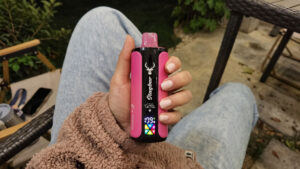
The Spanish government has approved a draft bill to overhaul the country’s tobacco regulations, aiming to restrict smoking and vaping in shared outdoor spaces. Health Minister Monica Garcia announced the measure on July 21, 2026, framing the reform as a necessary step to protect public health and move toward a tobacco-free generation.
The proposed law expands on the indoor smoking bans established over a decade ago, targeting popular outdoor venues such as restaurant terraces, beaches, and parks. Around 26 percent of Spain’s adult population smokes daily, according to health authority data, and smoking causes approximately 50,000 deaths annually in the country.
Before these restrictions become active, the draft bill must navigate parliamentary debate in the Cortes Generales, where the minority left-wing coalition government lacks an absolute majority. The proposal has already sparked debate among business owners, transport workers, and tourism representatives.
The Legislative Roadmap: Where Does the Bill Stand?
The approved text represents a draft bill (Proyecto de Ley) that modifies the existing Law 28/2005 on sanitary measures against smoking. It is not yet active law. The initiative originated as a preliminary draft (Anteproyecto) that underwent public consultation between October 2025 and January 2026.
Following the Cabinet’s approval, the text has been sent to the Congress of Deputies and the Senate, where political groups can propose amendments. The final details of the law may change during this legislative process.
| Legislative Phase | Current Status | Practical Implications |
|---|---|---|
| Public Consultation (Anteproyecto) | Completed (Jan 2026) | Gathered feedback from citizens, health experts, and industry representatives. |
| Cabinet Approval (Proyecto) | Completed (July 2026) | The Council of Ministers finalized the draft and authorized its submission to parliament. |
| Parliamentary Debate | Ongoing | Congress and Senate review, amend, and vote on the text. |
| Official Publication (BOE) | Pending | Once approved, the law is published in the BOE and enters into force after 20 days. |
Until the parliamentary process concludes and the final text is published in the Official State Gazette (BOE), the provisions of Law 28/2005 remain in effect. Establishments are not legally required to enforce the new bans during this interim period.
Expanded Smoke-Free Zones: Terraces, Beaches, and Beyond
The draft law aims to increase the number of smoke-free and aerosol-free environments. The proposed restrictions apply to both traditional tobacco products and electronic cigarettes.
Under the current draft, smoking and vaping will be prohibited in the following outdoor areas:
- Open-air terraces of bars, cafes, restaurants, and other hospitality venues.
- Maritime and river beaches.
- Collective-use swimming pools, including both indoor and outdoor zones.
- Sports facilities and outdoor entertainment venues, such as open-air theaters, concert arenas, and cinemas.
- National parks and protected natural reserves.
- Public transport shelters, platforms, and stations.
- Outdoor areas of health centers, schools, universities, and social care facilities.
The draft also establishes a 15-meter “reinforced protection” buffer zone around the entrances of public buildings, hospitals, educational institutions, museums, and playgrounds. Smoking and vaping will be illegal within this radius. Once the law is published, businesses and public entities will have two months to install visible signage indicating these boundaries.
Equating Vaping with Traditional Smoking
A key element of the reform is the regulatory alignment of electronic cigarettes and alternative nicotine products with traditional combustible tobacco. This change addresses the rising popularity of vaping among younger demographics.
The restrictions on consumption, sales, and advertising will extend to:
- Electronic cigarettes with nicotine.
- Electronic cigarettes without nicotine.
- Refill liquids and containers.
- Oral nicotine pouches.
- Herbal products designed for smoking, inhaling, or vaporizing.
- Heated tobacco devices.
- Shishas, hookahs, and associated herbal mixtures.
The draft also proposes a ban on the sale of disposable, single-use vapes (“puffs”). However, this specific measure is pending a favorable report from the European Commission. Retailers and distributors should monitor the final text in the BOE to confirm the transition periods allowed for clearing existing inventory.
Furthermore, the sale of e-cigarettes and related products will be restricted exclusively to specialized tobacco and vape shops, removing them from general retail environments.

StagBar Vape 6in1 180K Puffs Disposable
The Stagbar 6-in-1 featuring a unique 6-flavor system and six independent mesh coils, this device allows users to switch between six distinct tastes in one sleek unit, delivering an unprecedented 180,000 puffs.
Protecting Minors: The Shift from Sales to Consumption Bans
While existing Spanish legislation bans the sale and supply of tobacco products to individuals under 18, it does not explicitly outlaw consumption by minors. The 2026 reform addresses this regulatory gap.
The draft bill introduces an explicit ban on the consumption of tobacco, e-cigarettes, and nicotine pouches by minors. Under the proposed framework, minor infractions will carry fines ranging from €300 to €600.
For underage offenders, parents or legal guardians will be held subsidiarily liable for the financial penalty. However, the draft allows families to substitute the monetary fine with community service or participation in educational health programs.
Impact on Businesses, Employers, and Work Vehicles
The reform introduces new operational requirements for businesses across various sectors, extending beyond the hospitality industry.
Hospitality and Restaurant Management
For bars and restaurants, the terrace ban represents a major operational shift. Business owners will be required to remove ashtrays from outdoor tables, install compliant signage, and ensure that outdoor furniture does not feature tobacco or vape brand advertising.
Waitstaff and restaurant employees are not authorized to issue administrative fines. However, business owners must take reasonable steps to ensure compliance. Staff must inform non-compliant customers of the ban and ask them to stop smoking or vaping. If a customer refuses, employees can request that they leave the premises or contact local authorities.
Workplace Safety and Company Vehicles
Employers must update their occupational risk prevention protocols to protect workers from secondhand smoke and aerosols. The draft extends the smoking ban to professional work vehicles used during working hours, including delivery vans, company cars, and heavy transport trucks.
Taxis and ride-hailing vehicles (VTCs) are also subject to the ban. The restriction applies clearly to vehicles shared by multiple employees or used for passenger transport. However, the final text will need to clarify how the law treats vehicles used exclusively for personal purposes outside of working hours.
Advertising and Promotion Restrictions
The draft strengthens restrictions on the advertising, promotion, and sponsorship of tobacco and vaping products. Specialized shops and tobacconists will be prohibited from displaying promotional posters or advertisements visible from the street. The ban also covers product placement on television, online streaming platforms, and social media collaborations with content creators.
Industry Backlash and Economic Concerns
The proposed measures have met with opposition from several economic and agricultural sectors, who argue the restrictions will negatively affect business operations and employment.
The national hospitality association, Hostelería de España, alongside regional groups like the Gremi de Restauració de Barcelona, has criticized the terrace ban as disproportionate. They argue that the measure could harm the hospitality and tourism sectors, particularly in regions popular with international tourists who favor outdoor dining. Tourism boards in areas like Las Palmas have expressed concern over potential negative reactions from foreign visitors.
The professional transport federation, Fenadismer, has raised concerns regarding the ban in work vehicles. The association argues that prohibiting solo long-haul truck drivers from smoking during long shifts is unnecessary and could affect driver focus and road safety.
In Extremadura, where the majority of Spain’s tobacco is grown, agricultural unions and the tobacco interprofessional organization (Oitab) warn that stricter regulations could impact rural employment and agricultural productivity. Additionally, some scientific voices, such as Miguel de la Guardia, a professor of analytical chemistry, suggest that regulations should distinguish between combustible tobacco and non-combustible alternatives due to differing levels of secondhand exposure.

StagBar Vape 4in1 80K Puffs Disposable
The Stagbar 4-in-1 80,000 is a revolutionary high-capacity disposable featuring 4 flavors and 4 independent mesh coils in one device, delivering an industry-leading 80,000 puffs.
Frequently Asked Questions
-
Is it currently illegal to smoke on restaurant terraces in Spain?
No. The draft bill is currently undergoing parliamentary debate. Until the final text is approved by parliament and published in the BOE, smoking on open terraces remains legal under national law, unless restricted by local municipal ordinances.
-
Does the ban apply to nicotine-free electronic cigarettes?
Yes. The draft law treats all electronic cigarettes, with or without nicotine, identically to traditional tobacco regarding consumption in smoke-free zones.
-
Can a business owner be fined if a customer smokes on their terrace?
Yes. Business owners can face penalties if they knowingly permit smoking in prohibited areas or fail to display the required warning signs.
-
Will disposable vapes be banned immediately?
The draft proposes a ban on disposable vapes, but the final implementation and transition periods will be determined once the law is officially passed and published.