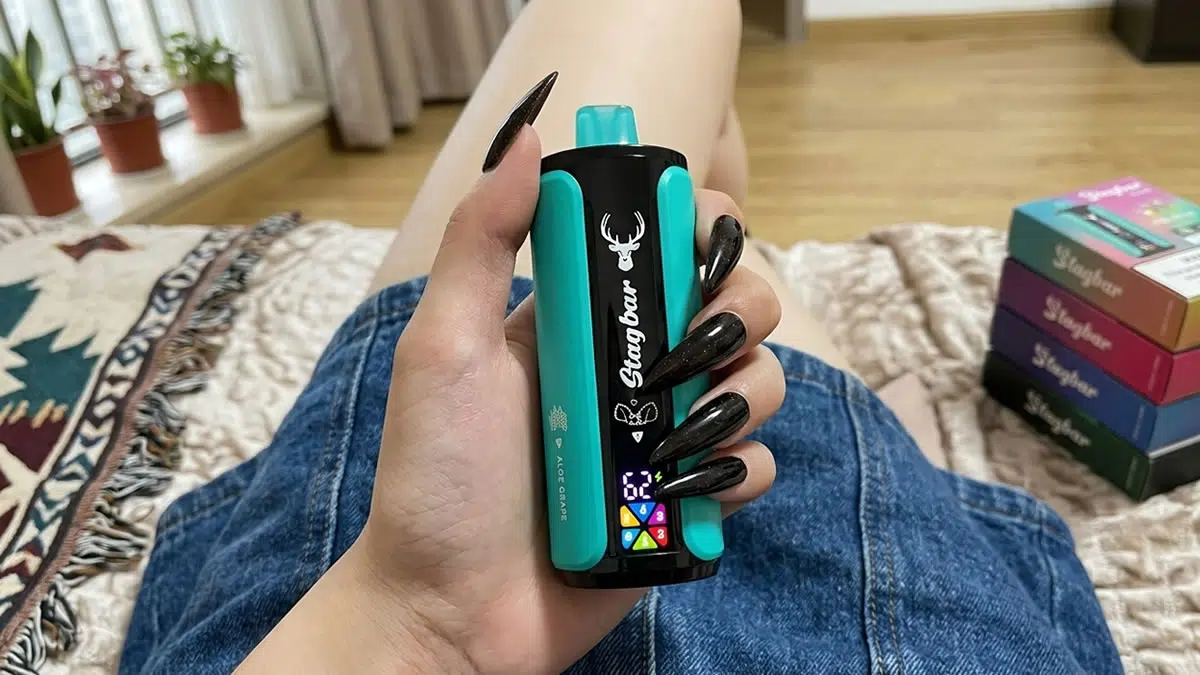
Vaping is legal in Spain for individuals aged 18 and older, but the country enforces strict public usage restrictions. Under recent legislative updates, vaping is treated similarly to traditional smoking, with bans extending to indoor public spaces, public transport, bar terraces, and select beaches, carrying fines of up to €2,000 for violations.
- Legal Vaping Age: The legal age to purchase and use vaping products is 18. Underage consumption is illegal and subject to fines.
- Prohibited Areas: Vaping is banned in all indoor public areas, public transport, children’s playgrounds, and within 15 meters of schools and hospitals.
- Outdoor Restrictions: Municipalities increasingly prohibit vaping on outdoor restaurant terraces, public pools, and designated smoke-free beaches.
- Product Limitations: E-liquids must comply with European Union Tobacco Products Directive (TPD) standards, which cap nicotine strength at 20 mg/ml and tank capacities at 2 ml.
The Spanish government has tightened its public health regulations to curb nicotine consumption and address environmental concerns. For residents and tourists alike, navigating the evolving legal landscape of vaping in Spain is essential to avoid steep financial penalties and confiscated property.
This guide outlines the current statutory framework, product standards, regional variations, and rules for international travelers entering Spain with electronic cigarettes.
The Legal Framework: Vaping Age and Consumption Laws
In Spain, electronic cigarettes and tobacco-related products are regulated under the broader national tobacco control framework. The Spanish Ministry of Health treats vaping devices – both with and without nicotine – under similar legal constraints as combustible cigarettes.
Minimum Age Requirements
The legal age to purchase, possess, and use electronic cigarettes, e-liquids, and nicotine pouches in Spain is 18. Retailers are legally required to verify the age of any customer who appears underage by requesting a valid government-issued photo ID, passport, or European national identity card.
Recent legislative updates have closed previous loopholes by explicitly banning the consumption of vaping products by minors. Previously, only the sale and supply to individuals under 18 were prohibited. Under current laws, minors caught vaping face immediate fines starting at €200, which may be commuted to state-approved community service.
The Shift Toward Tobacconists
The Spanish government has proposed structural changes to the distribution of vaping products. Draft laws aim to restrict the sale of all electronic cigarettes and related accessories exclusively to state-regulated tobacco shops (estancos). If fully implemented, this measure would phase out specialized independent vape shops and online vape retailers within the country to ensure tighter age-verification controls.
Where is Vaping Prohibited in Spain?
Spain has expanded its list of smoke-free and vape-free spaces. The restrictions apply to all electronic nicotine delivery systems (ENDS), heated tobacco products (HTPs), shisha pipes, and herbal smoking products.
Indoor Public Spaces and Public Transport
Vaping is strictly prohibited in all enclosed public environments across Spain. This includes:
- Government offices and public administration buildings.
- Hospitals, clinics, pharmacies, and all healthcare facilities.
- Schools, universities, and educational training centers.
- Public transport networks, including city buses, trains, commercial aircraft, passenger ferries, and licensed taxis.
- Private workplaces, unless the employer has designated a specific, fully compliant indoor smoking room.
Outdoor Public Spaces and Protection Zones
Spanish law establishes “protection zones” where vaping is banned even in open-air settings. Vaping is prohibited within a 15-meter perimeter of school gates, university entrances, hospitals, libraries, museums, and children’s playgrounds.
Terraces, Beaches, and Public Venues
The Council of Ministers approved reforms under the Comprehensive Plan for the Prevention and Control of Tobacco Use. These measures prohibit smoking and vaping in the following outdoor areas:
- The outdoor terraces of bars, restaurants, and hospitality establishments.
- Public swimming pools, outdoor sports facilities, and national parks.
- Venues hosting public outdoor events and performances.
- Designated smoke-free beaches. All ten city beaches in Barcelona, along with numerous coastal areas in the Balearic Islands (such as Ibiza and Mallorca) and the Canary Islands (such as Tenerife and Lanzarote), are legally smoke-free and vape-free zones.
Establishments and municipalities are required to display clear signage indicating these restrictions. Once a restriction is active, businesses have a designated period to update their signage and enforce compliance.
Fines and Penalties for Non-Compliance
Violating Spain’s vaping regulations results in financial penalties. The severity of the fine depends on the location of the infraction and whether the offender is a consumer or a business owner.
For individuals caught vaping in restricted outdoor areas, such as bar terraces, national parks, or smoke-free beaches, fines typically range from €200 to €600. In highly regulated municipal zones, such as Barcelona’s urban beaches, local ordinances can elevate these fines up to €2,000 for persistent non-compliance.
For commercial entities, the penalties are much higher. Retailers or hospitality owners who fail to enforce vaping bans on their premises, display required warning signs, or sell products to minors face administrative fines ranging from €600 up to €600,000 for severe, repeated violations.
- Read more: Spain Approves Draft Law Banning Smoking and Vaping on Terraces, Beaches, and Work Vehicles

StagBar Vape 6in1 180K Puffs Disposable
The Stagbar 6-in-1 featuring a unique 6-flavor system and six independent mesh coils, this device allows users to switch between six distinct tastes in one sleek unit, delivering an unprecedented 180,000 puffs.
Product Standards and TPD Compliance in Spain
As a member of the European Union, Spain strictly enforces the Tobacco Products Directive (TPD). All vaping products sold within the country must meet rigorous manufacturing and packaging standards.
| Product Feature | TPD Standard & Spanish Regulation |
|---|---|
| Maximum Nicotine Strength | 20 mg/ml for any nicotine-containing e-liquid. |
| Maximum Bottle Volume | 10 ml for individual e-liquid bottles containing nicotine. |
| Maximum Tank Capacity | 2 ml for vape tanks, pods, and disposable devices. |
| Prohibited Ingredients | Vitamins, stimulants (caffeine, taurine), or cannabis derivatives (THC/CBD) in commercial e-liquids. |
| Packaging Requirements | Must display bilingual health warnings regarding nicotine addiction and list all ingredients in descending order. |
Because of the 2-ml tank capacity limit, disposable vapes sold legally in Spain are generally limited to approximately 600 puffs. Travelers accustomed to larger, non-compliant tanks or high-capacity disposable devices will not find these products available for purchase in Spanish retail outlets.
Flavor Restrictions and the Disposable Vape Phase-Out
Spain is actively reducing the appeal of vaping products to youth by targeting flavor profiles and single-use devices.
Heated Tobacco Flavor Ban
Under Royal Decree 47/2024 (which modified Royal Decree 579/2017), Spain officially banned characterizing flavors, including menthol, in heated tobacco products. This regulation also mandated that heated tobacco packaging carry combined text and photographic health warnings identical to those found on traditional cigarette packs.
Proposed Disposable Vape and E-Liquid Flavor Bans
The Spanish Ministry of Health is advancing plans to ban all sweet, fruit, and dessert e-liquid flavors, limiting commercial options strictly to tobacco and menthol. Additionally, citing environmental concerns over lithium-ion battery waste and plastic pollution, the government is drafting legislation to institute a complete ban on single-use disposable vapes, aligning with similar national policies across the European Union.
Guidelines for Travelers: Flying to Spain with Vapes
Travelers entering Spain must adhere to strict aviation and customs rules regarding vaping equipment and liquids.
Airport Security and Airline Rules
Vaping is prohibited inside all Spanish airport terminals, including major hubs like Madrid-Barajas, Barcelona-El Prat, Malaga, Alicante, and Ibiza. Passengers must use designated outdoor smoking zones located outside the terminal buildings before passing through security.
When packing for a flight to Spain, travelers must observe the following safety protocols:
- Batteries: Lithium-ion batteries and vape devices must be carried in cabin baggage. They are strictly prohibited in checked hold luggage due to fire risks.
- Liquids: E-liquids carried in hand luggage must be in containers of 100 ml or less. All containers must fit inside a single, transparent, resealable plastic bag with a maximum capacity of 1 liter.
- Device Safety: Tanks should be emptied before flying, as cabin pressure changes can cause e-liquids to leak. Turn off all devices to prevent accidental activation.
Legal Status of Nicotine Pouches, CBD, and Cannabis
Travelers and residents should understand how related substances are treated under Spanish law, as regulations differ significantly from other European nations.
Nicotine Pouches
Nicotine pouches occupy a regulatory grey area in Spain. Because they are tobacco-free, they are not banned under the EU-wide snus prohibition. While they are legal to possess for personal use and purchase online, the Ministry of Health has proposed new consumer health legislation to restrict their marketing, flavors, and retail availability.
CBD and Cannabis Laws
The sale and public possession of cannabis containing THC is illegal in Spain. Public consumption carries fines starting at €601. However, Spain operates under a unique “decriminalized” model for private spaces. Cultivating cannabis at home for personal use is permitted, provided the plants are not visible from public streets or balconies.
Cannabis Social Clubs operate legally as private, non-profit associations. These clubs are restricted to registered members (typically aged 21 or older) who pay an annual fee to obtain cannabis grown collectively on their behalf. They are not open to the general public or casual tourists.
Regarding CBD, the Spanish Agency for Medicines and Health Products (AEMPS) aligns with European Union Novel Food guidelines. CBD oil cannot be legally marketed for human ingestion or dietary consumption within Spain. Consequently, CBD products are sold primarily as topical cosmetics or external-use oils, and they must contain less than 0.2% THC.

StagBar Vape 4in1 80K Puffs Disposable
The Stagbar 4-in-1 80,000 is a revolutionary high-capacity disposable featuring 4 flavors and 4 independent mesh coils in one device, delivering an industry-leading 80,000 puffs.
Frequently Asked Questions
-
Can I vape on the beach in Spain?
It depends on the specific beach. Many popular tourist destinations, including all city beaches in Barcelona and designated coastal zones in Ibiza, Mallorca, Tenerife, and Lanzarote, have banned smoking and vaping. Always check local signage at beach entrances to avoid fines of up to €2,000.
-
Can I buy disposable vapes in Spain?
Yes, disposable vapes are currently available in Spanish tobacco shops (estancos) and specialized retail outlets, provided they comply with TPD standards (maximum 2 ml capacity and 20 mg/ml nicotine). However, the Spanish government is actively drafting legislation to phase out and ban all single-use disposable vapes.
-
Is it legal to vape on outdoor restaurant terraces in Spain?
Under the latest anti-tobacco reforms, vaping and smoking are prohibited on the outdoor terraces of bars, restaurants, and other hospitality venues. Patrons must step away from the terrace area to vape.
-
Can I bring my own e-liquids into Spain?
Yes, travelers can bring e-liquids into Spain for personal use. If traveling by air, you must comply with airport security liquid limits (containers under 100 ml, placed in a clear 1-liter bag). Any imported products must not contain prohibited substances such as THC.
-
Are nicotine-free vapes subject to the same restrictions?
Yes. Spanish public health laws apply the same usage restrictions, location bans, and advertising limits to electronic cigarettes regardless of whether the e-liquid contains nicotine.
Disclaimer: This article is for informational purposes only and does not constitute legal advice. Vaping regulations and local municipal ordinances in Spain are subject to change. Travelers and residents should consult official updates from the Spanish Ministry of Health (Ministerio de Sanidad) and local municipal authorities before traveling.


